Baby-Led Weaning vs Spoon Feeding: Which Is Right for Your Baby?
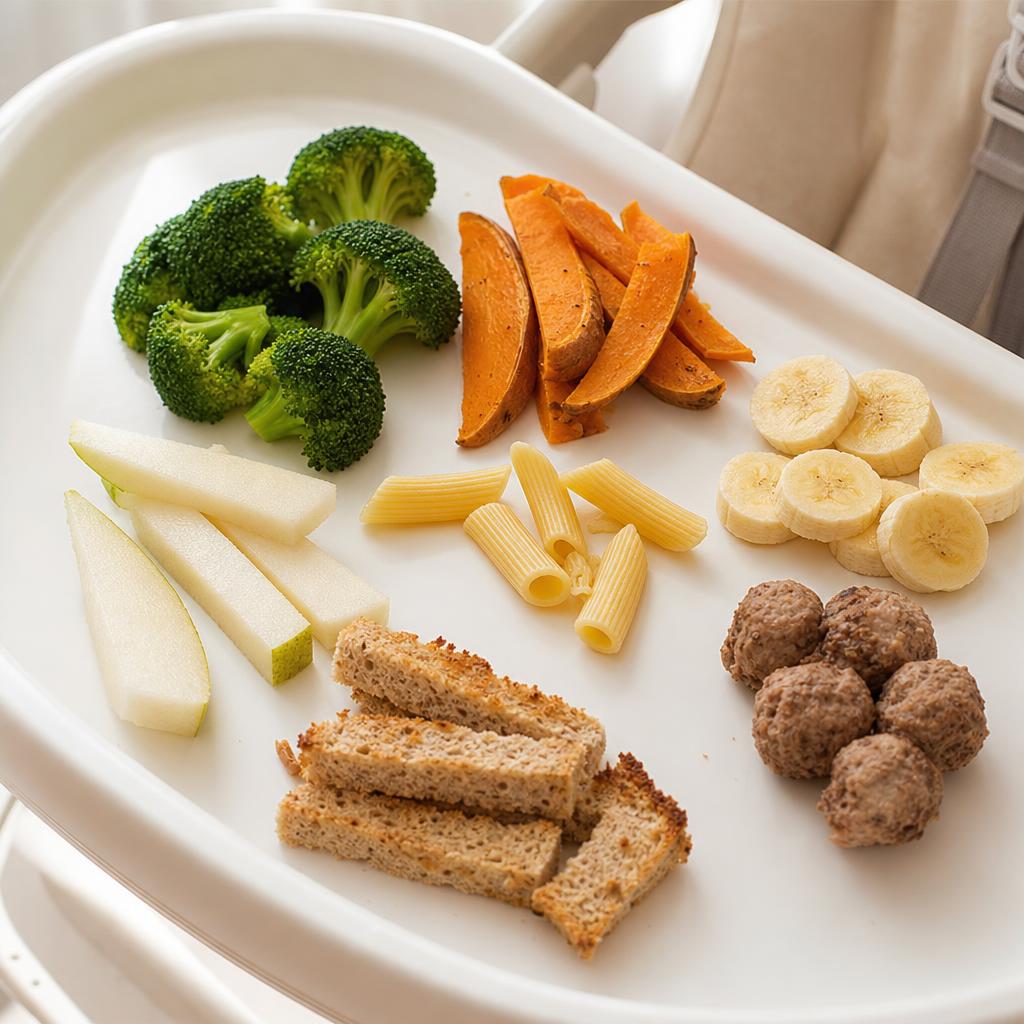
The real pros and cons of baby-led weaning vs spoon feeding — and why most Aussie families do both.
Starting solids is a milestone every Australian parent overthinks. Should you go full baby-led weaning (BLW) or stick to traditional spoon-fed purées? The honest answer from Maternal Health Nurses: most families do both, and the evidence supports a combined approach.
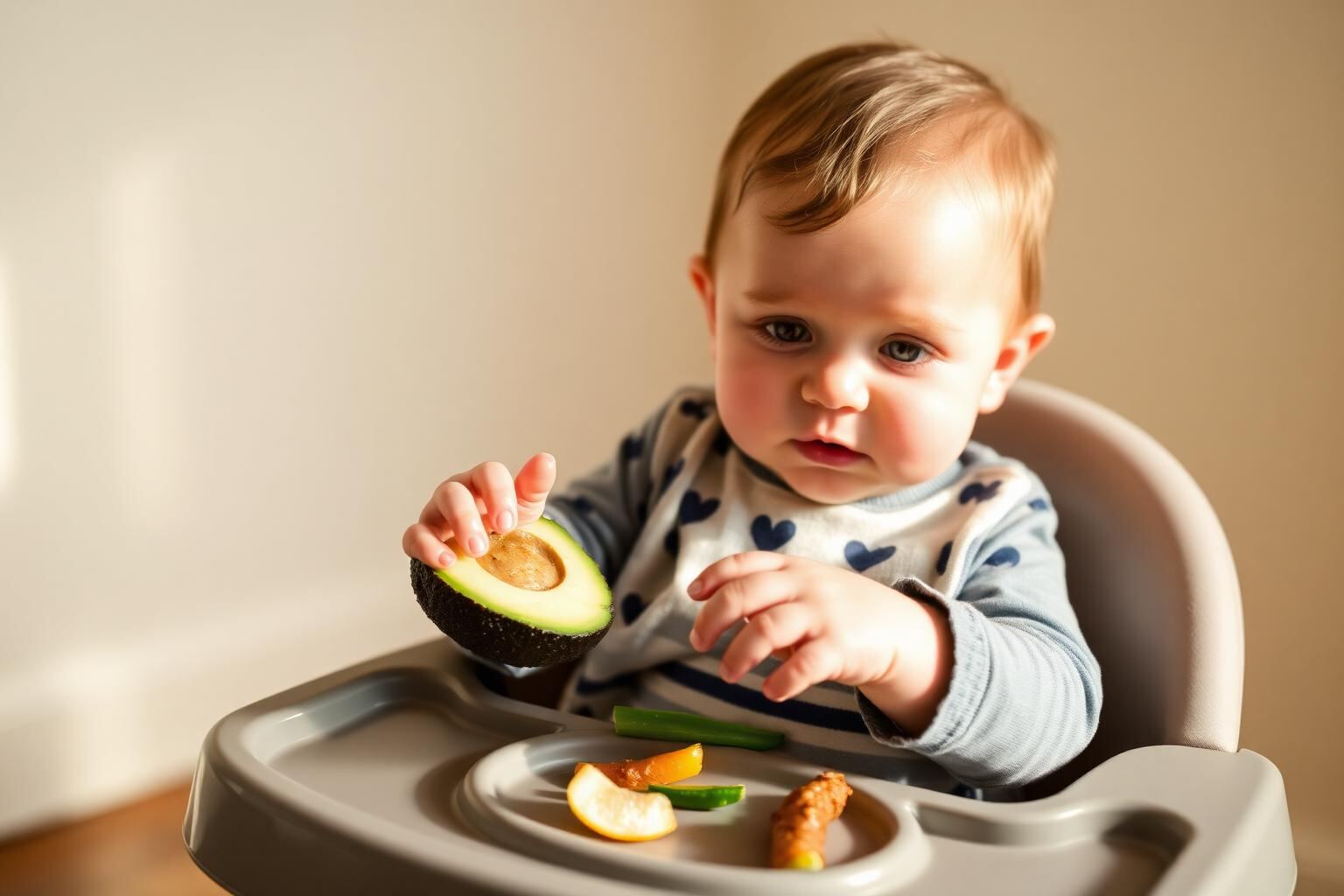
What is baby-led weaning?
BLW skips purées and lets baby self-feed soft finger foods from 6 months. Think strips of avocado, steamed sticks of carrot, soft toast fingers. Baby decides how much to eat, and learns to chew before they swallow.
What is spoon feeding?
Traditional spoon feeding starts with smooth purées (pumpkin, apple, baby rice) and progresses to mashed, then lumpy textures, then family food. The carer controls pace and volume.
Pros and cons
| Approach | Pros | Cons |
|---|---|---|
| BLW | Self-regulation, family meals, less prep, hand–eye–mouth coordination. | Messy. Some parents worry about choking (proper finger-food shapes minimise risk). |
| Spoon | Easier to track iron intake, less mess, useful out and about. | Can override fullness cues if baby is rushed. Texture progression matters. |
The Australian recommendation
The NHMRC Infant Feeding Guidelines support starting solids around 6 months with iron-rich foods and a mix of textures — including finger foods — from the very start. Most Maternal Health Nurses suggest a combined approach.
Safety first
- Always sit baby upright, never reclined.
- Stay within arm's reach for every meal.
- Cut grapes, cherry tomatoes and sausages lengthways into quarters.
- Avoid hard, round, or sticky foods (whole nuts, popcorn, hard lollies).
- Learn the difference between gagging (loud, baby is fine) and choking (silent, needs action). St John Ambulance Australia runs free baby first-aid sessions.
Log meals and reactions in our free Baby Tracker to build a clear allergy and texture timeline.
Keep reading
- Introducing solids: first foods checklist
- How much milk does a baby need?
- Baby formula stages
- All free parenting tools
- Personalised care plans by a Maternal Health Nurse
Frequently asked questions
Is baby-led weaning safe?
Yes, when started at 6 months with proper finger-food shapes and supervised seating. The choking-risk research shows BLW is no riskier than spoon feeding.
When should I start solids in Australia?
Around 6 months, when baby can sit with support, has lost the tongue-thrust reflex, and shows interest in food.
What about iron?
Offer iron-rich foods (red meat, iron-fortified cereal, lentils, eggs) at every meal from the start.
Can I do both BLW and purées?
Absolutely — most Australian families do, and Maternal Health Nurses encourage it.
Will BLW babies eat less milk?
Milk remains the main nutrition source until 12 months. Solids are for learning at first; milk shouldn't drop sharply.
This article is general information and not medical advice. For personalised support, speak to your GP or call Pregnancy, Birth and Baby on 1800 882 436.
Sample first-foods plans
Baby-led weaning week 1 (around 6 months)
Offer one meal a day for the first week, alongside usual milk feeds. Aim for chip-sized soft pieces baby can pick up with their whole hand.
- Day 1: ripe avocado spears, rolled in baby cereal for grip.
- Day 2: steamed sweet potato fingers.
- Day 3: ripe banana (peeled halfway like an ice block stick).
- Day 4: steamed broccoli florets (the "trees" make perfect handles).
- Day 5: soft-cooked egg yolk strip on toast.
- Day 6: shredded slow-cooked beef.
- Day 7: ripe pear spears.
Spoon-feeding week 1
- Day 1–2: iron-fortified baby rice cereal mixed with breast milk or formula, 1–2 teaspoons.
- Day 3–4: avocado purée.
- Day 5–6: pumpkin or sweet potato purée.
- Day 7: mashed banana mixed with iron cereal.
The allergen schedule
Australian guidelines (ASCIA) actively recommend introducing common allergens before 12 months. Delaying them increases allergy risk. Introduce one at a time, in the morning, when baby is well:
- Egg — well-cooked yolk first, then whole egg.
- Peanut — smooth peanut butter thinly spread on toast (never whole nuts).
- Cow's milk products — yoghurt, cheese (full-fat).
- Wheat — toast fingers, pasta.
- Tree nuts — smooth nut butters.
- Fish and shellfish — well-cooked, deboned.
- Sesame — tahini.
- Soy — tofu strips.
The first-aid you need before solids
Before you start solids — ideally before — do an infant first-aid course. St John Ambulance Australia, Red Cross, and many local councils run free or low-cost sessions covering choking response. The 5 back blows / 5 chest thrusts sequence for under-1s takes 20 minutes to learn and is the single most useful parenting skill in this stage.
Mealtime mindset
The first 4–6 weeks of solids is about tasting, exploring and learning, not nutrition. Milk remains the main fuel until 12 months. Aim for calm, social meals — sit at the table, eat together, model chewing, and accept the mess. The single best long-term predictor of healthy eating is family meals, started young.
What a combined approach looks like
Most Australian families end up combining baby-led weaning and spoon feeding without ever planning to — and that's a good thing. Here's what a realistic combined week looks like at 6½ months.
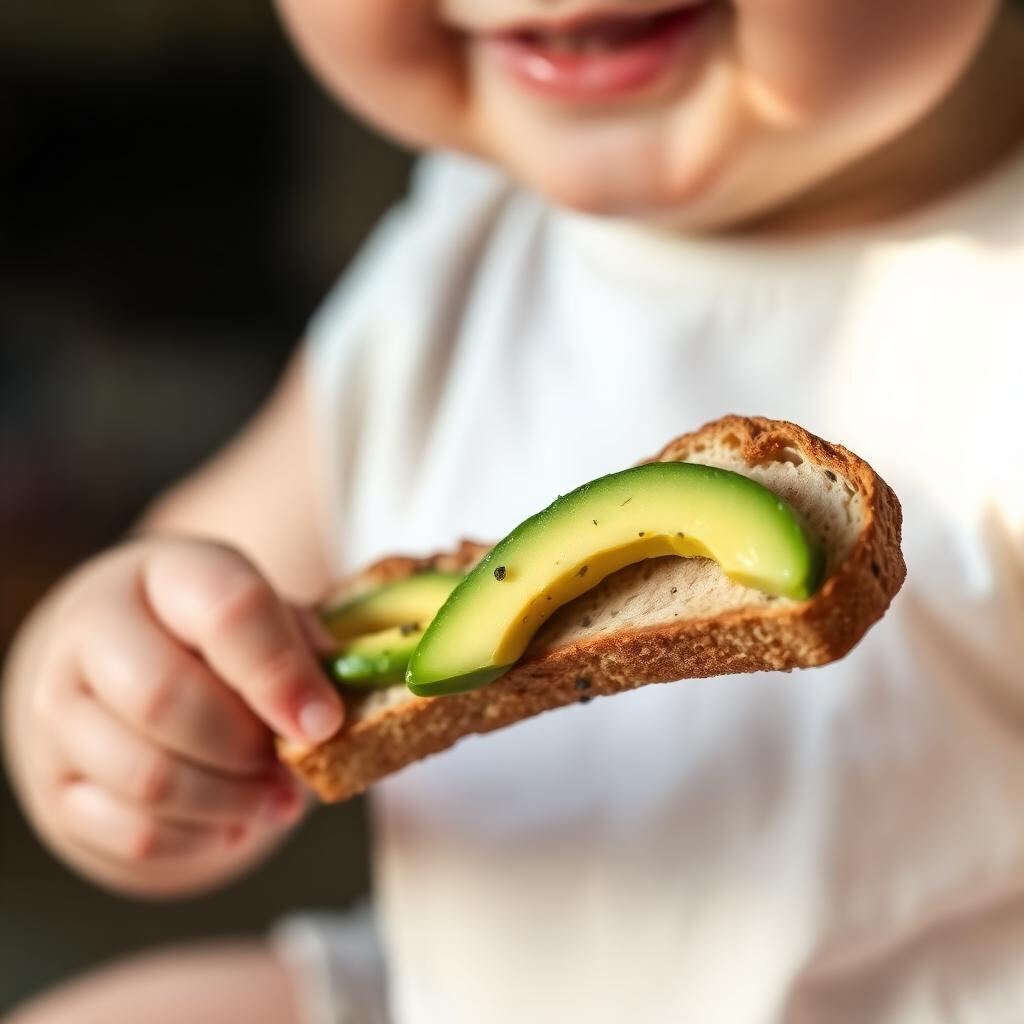
- Breakfast: iron-fortified baby porridge with mashed banana, spoon-fed. Toast fingers with avocado on the tray for self-feeding.
- Lunch: family food adapted — soft pasta strips, steamed vegetables, a soft meatball broken in half. Mostly self-fed.
- Dinner: shared family meal where possible. Spoon-fed yoghurt as dessert.
- Snacks: finger food on the tray during a sit-down with you.
Avoiding common solids mistakes
- Don't add salt, sugar, or honey before 12 months (honey carries a botulism risk; salt taxes baby kidneys).
- Don't offer cow's milk as a main drink before 12 months — small amounts in food are fine.
- Don't use force-feeding or "one more spoon" pressure — it overrides hunger cues.
- Don't feed in front of a screen — distracted eating is linked to later overeating.
- Don't hold back allergens. Australia leads the world in early-introduction allergy guidance.
Quick-reference solids checklist
- Baby sits with support, has lost the tongue-thrust reflex, and shows interest — usually around 6 months.
- First foods include iron-rich options every meal.
- Common allergens introduced one at a time, in the morning.
- Adult is within arm's reach at every meal.
- Choking-hazard foods cut lengthways (grapes, sausages, cherry tomatoes).
- An infant first-aid course completed before solids start.
- Reactions logged in the free Baby Tracker.
However you start solids, the long game matters more than the method. Calm, social, family meals — repeated thousands of times — are the single best predictor of a competent, adventurous eater later on.
Trusted Australian sources for further reading
- Raising Children Network — Australia's government-funded parenting site, packed with evidence-based articles and short videos.
- Royal Children's Hospital Melbourne — Kids Health Info — clinician-written fact sheets covering common newborn and toddler concerns.
- Australian Breastfeeding Association (ABA) — free helpline on 1800 686 268, seven days a week, staffed by trained breastfeeding counsellors.
- Pregnancy, Birth and Baby — free telehealth advice on 1800 882 436.
- healthdirect 13HEALTH — registered nurse advice 24/7 (1800 022 222 in most states).
- Tresillian & Karitane — free or low-cost sleep, settling and parenting support across NSW, ACT and increasingly nationwide.
- Red Nose Australia — current safe-sleep guidance for every age and stage.
A note from our Maternal Health Nurse team
This article was reviewed by a registered Australian Maternal & Child Health Nurse on our editorial team. Our goal is to give you calm, accurate, evidence-based information that respects your instincts and your family's individual circumstances. We do not replace your own GP, MCH nurse, paediatrician or other treating clinician — but we hope we make the in-between moments easier.
If you'd like personalised guidance, our care plans are written by a registered Maternal Health Nurse and delivered to your inbox within 24 hours. They cover sleep, feeding, settling, behaviour and developmental concerns. Free tools — including our Baby Tracker, Sleep Coach and Ask Genie AI Midwife — are always available with a free account.
Above all, trust yourself. You know your baby better than anyone in the world.
Related reading: check your baby’s developmental milestones