Back Pain During Pregnancy: Causes, Symptoms and Relief Tips
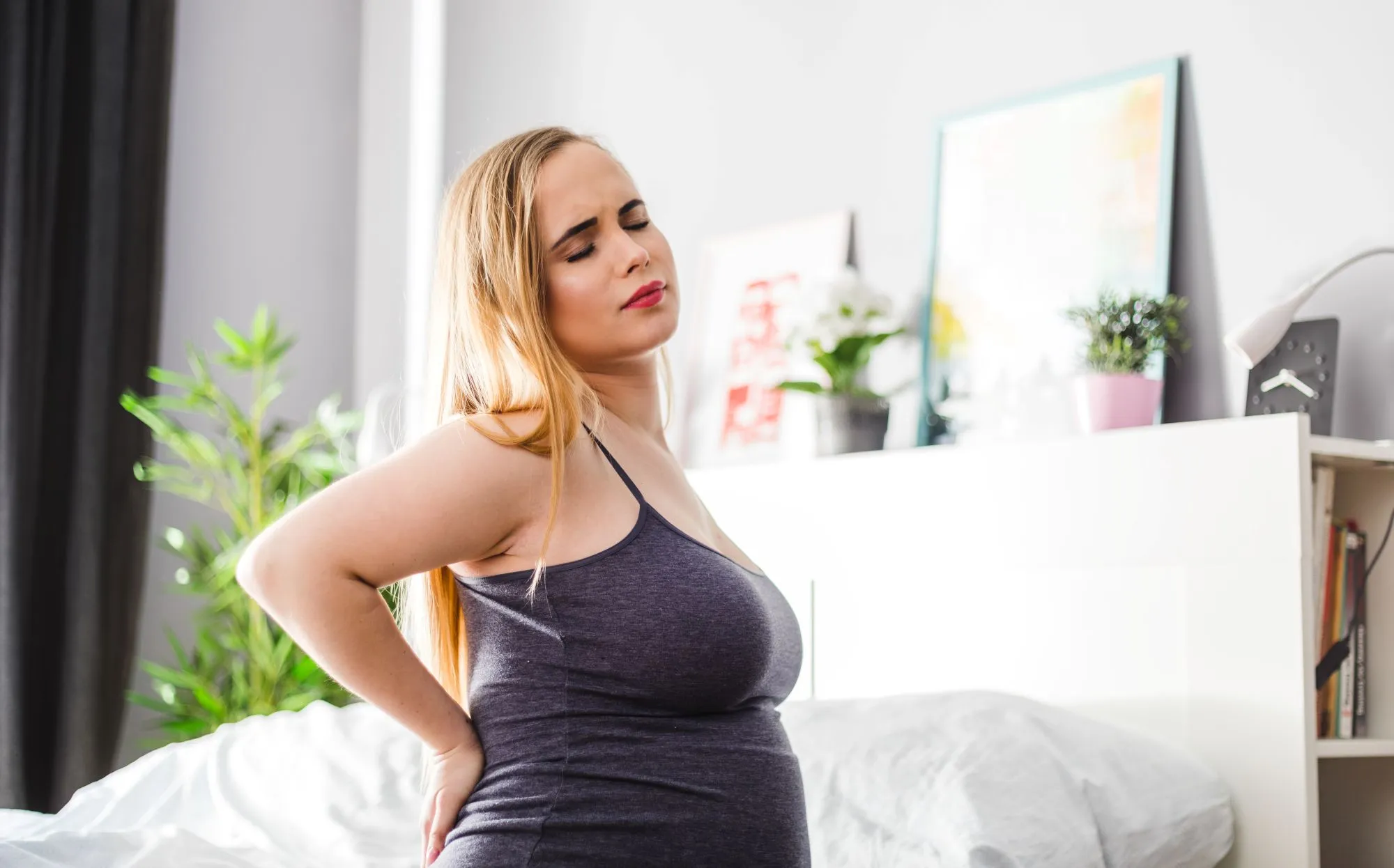
Back pain during pregnancy is very common as the body adapts to support a growing baby. This guide explains the causes of back pain in pregnancy, common symptoms, and practical ways to relieve discomfort. Learn how posture, exercise, and simple daily habits can support your spine, pelvis, and back muscles during pregnancy.
Many women experience back pain during pregnancy, especially as their bodies begin to change and adapt to support a growing baby. While pregnancy is an exciting journey, physical changes can sometimes place extra strain on the body, particularly on the lower back, spine, and pelvis.
For many pregnant women, lower back pain begins gradually and may worsen as pregnancy progresses. Changes in posture, weight gain, and shifting center of gravity can all affect the back muscles and joints.
Understanding the causes of back pain in pregnancy, recognising symptoms, and learning ways to ease discomfort can help women stay comfortable and active throughout pregnancy.
If you are experiencing pregnancy-related discomfort, you can also explore helpful guidance through the Parenting Hub's free tools, which provide support for common pregnancy concerns.
Why Back Pain Happens During Pregnancy
Back pain is one of the most common physical changes women experience during pregnancy.
Several factors contribute to pregnancy-related back pain, including hormonal changes, muscle strain, and shifting posture.
As pregnancy progresses, the body releases hormones that relax ligaments and joints in the pelvis. This helps prepare the body for pregnancy and childbirth, but it can also make the joints less stable.
At the same time, the growing uterus shifts the body’s center of gravity, which places extra pressure on the lower back and spine.
These changes can affect the back muscles and pelvic joints, leading to discomfort or pain.
Types of Back Pain During Pregnancy
Pregnant women may experience different types of back pain in pregnancy.
Lower Back Pain
Lower back pain is the most common type. It usually occurs in the lumbar spine and may worsen with prolonged standing or sitting.
Lower back pain may feel like a dull ache or tightness in the muscles surrounding the spine.
Pelvic Pain
Some women experience pelvic pain during pregnancy, particularly in the joints that connect the pelvis.
This condition is sometimes referred to as pregnancy-related pelvic girdle pain or posterior pelvic pain.
Pelvic pain may cause discomfort when walking, climbing stairs, or turning in bed.
Symptoms of Pregnancy-Related Back Pain
The symptoms of back pain during pregnancy can vary from mild discomfort to more persistent pain.
Common symptoms include:
- Low back pain or stiffness
- Pain in the pelvis or hips
- Muscle soreness in the back
- Difficulty standing for long periods
- Pain that worsens with certain activities during pregnancy
Some women may also feel pain radiating from the lower back into the hips or thighs.
While most pregnancy-related back pain is normal, sudden or severe pain should be discussed with a healthcare professional.
Other Causes of Back Pain During Pregnancy
Although most back pain is caused by physical changes in pregnancy, other conditions may also contribute.
Possible causes include:
- Urinary tract infection
- Muscle strain
- Poor posture
- Previous back injury
If back pain is accompanied by fever, burning during urination, or severe discomfort, seek medical advice.
How to Relieve Back Pain During Pregnancy
Fortunately, there are many ways to ease back pain during pregnancy.
Small adjustments to daily routines can help reduce pressure on the back and support better posture.
Helpful strategies include:
- Practising good back care and posture
- Wearing supportive footwear
- Avoiding standing for long periods
- Using supportive pillows while resting
Placing a pillow behind your lower back or between your knees when sleeping may help support the spine and reduce strain.
Exercise and Movement During Pregnancy
Regular exercise during pregnancy can help strengthen muscles and improve flexibility.
Gentle activities such as walking, stretching, or prenatal yoga may help support the back muscles and pelvic joints.
Exercise can also improve posture and reduce pressure on the spine.
Before starting any exercise program, pregnant women should speak with their healthcare provider to ensure the activities are safe for their pregnancy.
Supporting Your Back Throughout Pregnancy
Taking steps to support your back throughout pregnancy can help reduce discomfort.
Helpful tips include:
- Sitting with proper posture
- Avoiding heavy lifting
- Using supportive chairs
- Taking breaks during long periods of sitting
As pregnancy progresses, the growing belly changes the body’s alignment. Supporting the back muscles can help maintain balance and reduce strain.
Some women also find relaxation techniques helpful. Gentle background sounds, such as calming audio from Genie Lullaby, may help create a peaceful environment for rest and relaxation.
When to Seek Medical Advice
Most pregnancy-related back pain is normal and improves after childbirth. However, there are situations where medical advice may be necessary.
Pregnant women should speak with a healthcare professional if:
- Pain becomes severe or persistent
- Pain affects daily movement
- Symptoms appear suddenly
- Pain is accompanied by other symptoms
A healthcare professional may assess the spine, joints, and pelvis to determine the cause of discomfort.
Parents can also explore helpful pregnancy guidance through Parenting Genie, which offers expert advice and resources for pregnancy and early parenting.
Final Thoughts – Back Pain During Pregnancy
Back pain during pregnancy is a common experience caused by physical changes in the body. As the baby grows and the center of gravity shifts, extra pressure is placed on the spine, pelvis, and back muscles.
Although this discomfort can be challenging, many women find relief through gentle movement, good posture, and supportive rest.
Understanding the causes of back pain in pregnancy and practical ways to ease discomfort can help women feel more confident managing these changes.
If symptoms persist or worsen, seeking advice from a healthcare professional is always recommended.
For additional support, parents can explore helpful pregnancy resources through Parenting Hub free tools, expert advice from Parenting Genie, and calming relaxation support from Genie Lullaby.
Related reading: changes in your baby's movements
Related reading: recognising Braxton Hicks contractions
Related reading: pain relief during labour
Related reading: pelvic pain during pregnancy