Hospital Bag Checklist: What You Really Need
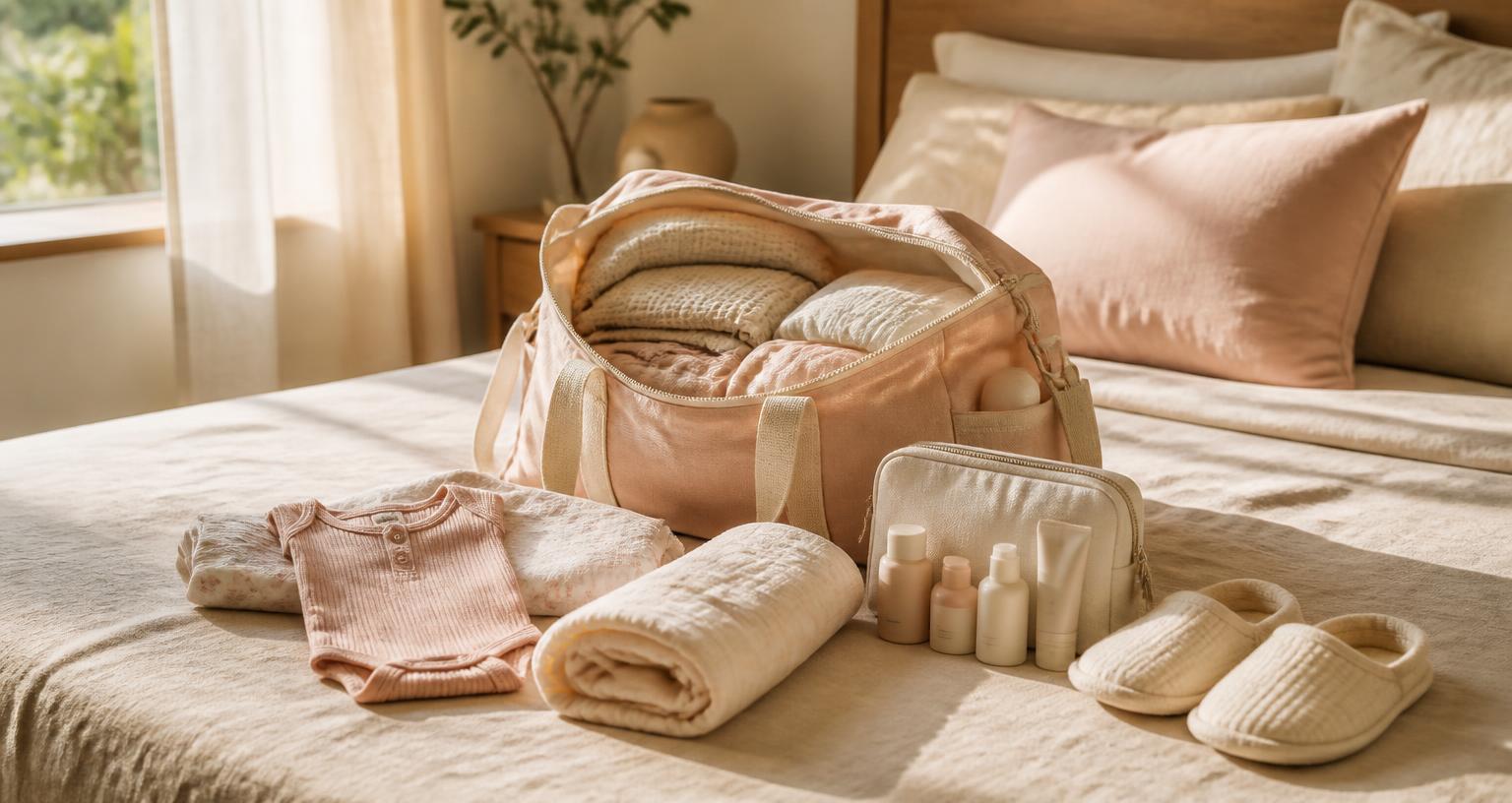
Our experienced Maternal Health Nurse walks you through our hospital bag checklist to help you pack only what you really need for labour, birth, and recovery.
As you approach the final weeks of your pregnancy, the thought of packing your hospital bag can feel both exciting and a little overwhelming. What do you really need? The internet is full of endless lists, and it's easy to feel like you need to pack for a month-long holiday. The truth is, you need much less than you think, but the things you do need are very important for your comfort and peace of mind.
My goal here, as a Maternal Health Nurse, is to help you cut through the noise. We’re not just going to list items; we’re going to talk about why they matter and, just as importantly, what you can confidently leave at home. Having a well-packed, streamlined bag means that when the time comes, you can grab it and go, knowing you have everything you need to feel supported and comfortable.
This guide is designed to walk you through our free Hospital Bag Checklist tool. It will help you create a practical, personalised list so you can focus on the main event: meeting your new baby.
Why this matters
Packing your hospital bag is more than just a task to tick off your to-do list; it’s an act of preparation that can significantly reduce stress during a time when you want to feel as calm and focused as possible. When you start to notice the first signs of labour, the last thing you want to be doing is scrambling around the house trying to find a phone charger or your favourite comfortable pants.
A thoughtfully packed bag is a tool for comfort and control. Labour and birth are unpredictable, but having your essentials with you provides a sense of grounding. It means your support person can focus entirely on you, rather than running out to find snacks or a toothbrush. It also means that in the hours and days after birth, as you recover and get to know your baby, you have the creature comforts that will make your hospital stay feel more restful and restorative.
Think of it as an act of kindness to your future self. By taking the time to pack now, you’re ensuring that when you're using our Contraction Timer and your midwife says it's time to come in, your mind is clear and you're ready for the journey ahead.
How the Hospital Bag Checklist works
We designed our Hospital Bag Checklist to be simple, interactive, and ruthless in its efficiency. It’s not just another generic list; it’s a framework you can adapt to your specific needs and preferences.
The checklist is broken down into three core sections:
- For You (The Birthing Parent): This covers everything from essential documents to items for labour, postpartum recovery, and your personal comfort.
- For Your Baby: A deliberately minimal list focusing on what a newborn truly needs for their first few days.
- For Your Support Person: An often-forgotten but crucial section to ensure your partner or support person is also looked after.
Each section contains pre-filled items that we consider essential. You can simply tick them off as you pack. What makes the tool powerful is the ability to add your own custom items. If you have a specific pillow you can’t sleep without or a favourite brand of lip balm, you can add it to the list. This combination of expert guidance and personal customisation ensures your bag is perfectly suited to you. It's about being prepared, not over-prepared.
Step-by-step guide
Let’s walk through how to use the checklist to pack the perfect hospital bag, focusing on what’s essential and what’s just taking up precious space.
Start with the Essentials: Documents and Basics
Open the checklist and look at the first few items in the 'For You' section. These are your non-negotiables. You’ll need your Medicare card, any hospital paperwork, and your ID. It’s a great idea to have these in a dedicated folder so they’re easy to grab. This section also includes your phone and an extra-long charger. Hospital power points can be surprisingly far from the bed, and a long cord is a game-changer.
Pack for Labour and Comfort
Next, focus on items for labour itself. The checklist suggests things like a water bottle with a straw, lip balm, and something loose to wear. Hospitals can be very dry and warm, so staying hydrated and comfortable is key. Consider what helps you relax. For some, it’s a music playlist; for others, it might be an eye mask or essential oil diffuser. This is also where your Birth Plan Builder printout goes. Having a few copies for your midwife and doctor ensures your preferences are clearly communicated.
What you can leave out:
You don’t need a whole library of books or magazines. Labour requires focus, and you’ll likely have little downtime for reading. One book or a tablet is plenty.
Plan for Your Postpartum Recovery
This is where thoughtful packing makes the biggest difference to your comfort. The checklist includes high-waisted, dark-coloured underwear (at least 5-7 pairs), maternity pads, and comfortable, loose-fitting clothes. Your body will be tender, and you won’t want anything tight around your middle, especially if you have a caesarean birth. Pack a few pairs of pyjamas or loungewear sets that are easy to breastfeed in if you plan to do so. Don’t forget toiletries; travel-sized versions of your favourites can make that first shower feel amazing.
What you can leave out:
Leave your pre-pregnancy clothes, especially jeans, at home. It takes time for your uterus to shrink back down, so prioritise soft, stretchy fabrics. You also don't need to bring dozens of postpartum care products; the hospital will provide basics like peri-bottles and ice packs.
Pack for Your Baby: Less is More
Move to the 'For Baby' section. You'll notice this list is short. Newborns need very little: warmth, food, and you. Pack 3-5 onesies (bodysuits) and sleepsuits (growsuits) in size 0000. It’s wise to pack one or two in the next size up (000) just in case you have a larger baby. Add a few singlets, socks, and a beanie or two. The hospital will provide nappies, wipes, and blankets while you are there, so you only need to pack a handful of nappies for the trip home.
What you can leave out:
Toys, books, and baby shoes are unnecessary for a newborn. They can’t play with them, and their world is focused on feeding and sleeping. Fancy outfits are also impractical; prioritise simple, comfortable layers that are easy to put on and take off.
Don’t Forget Your Support Person
Your partner or support person is on this journey with you, and they need a bag too. The checklist includes snacks, a water bottle, a change of clothes, and their own toiletries. Labour can be long, and hospital food services aren't always available 24/7. Having their own supplies means they can stay by your side without interruption. A phone charger and something to entertain them during quiet periods (like a book or tablet with headphones) are also essential.
Use the 'Add Custom Item' Feature
This is your chance to personalise. Is there a specific snack that always makes you feel better? Add it. Do you have a sentimental item you’d like to have with you? Add it. Maybe you want your own pillow from home for extra comfort. Use the 'Add Custom Item' button to make the list truly your own. Once your list is complete, you can save or print it to use as a physical checklist while you pack.
Common mistakes
Over the years, I’ve seen it all when it comes to hospital bags. Avoiding these common mistakes will help you pack smarter and feel more prepared.
Mistake 1: Packing for a Fashion Show
Many parents-to-be pack beautiful outfits for themselves and their baby, only to find they never leave the bag. Comfort is the only thing that matters in the days after birth.
The fix: Prioritise function and comfort over style. Think soft, stretchy, and dark-coloured fabrics for yourself. For your baby, choose simple cotton onesies and sleepsuits that are easy for nappy changes. You’ll be so much happier in practical clothes.
Mistake 2: Forgetting Post-Birth Essentials
It’s easy to focus so much on labour and the baby that you forget about your own recovery. Many first-time parents are surprised by the reality of postpartum bleeding and tenderness.
The fix: Pack specifically for your recovery. This means plenty of maternity pads (bring your preferred brand, even if the hospital supplies them), several pairs of large, high-waisted undies you don’t mind throwing away, and nipple cream if you plan to breastfeed. A well-thought-out Postpartum Plan can help you think through these needs ahead of time.
Mistake 3: Packing Way Too Much for the Baby
You’ll be amazed at how little a newborn needs and how much the hospital provides. Packing too much creates clutter in a small hospital room and makes it harder to find what you actually need.
The fix: Stick to the basics. A few changes of clothes, a beanie, and an outfit for the ride home are plenty. The hospital will supply blankets, nappies, and wipes during your stay. Save the cute outfits and baby gear for when you get home.
Mistake 4: Waiting Until the Last Minute
Babies don’t always arrive on their due date. Waiting until 38 or 39 weeks (or when contractions start!) to pack adds a huge amount of unnecessary stress to the situation.
The fix: Aim to have your bags packed and ready by the door from 36 weeks. This gives you peace of mind and ensures you’re prepared for an early arrival. Our Labour Ready Planner can help you get organised for all aspects of your baby's impending arrival.
Mistake 5: Not Packing with a Potential C-Section in Mind
Even if you are planning a vaginal birth, it’s wise to be prepared for the possibility of a caesarean section. A C-section is major abdominal surgery, and your recovery will require specific comforts.
The fix: Always pack high-waisted underwear and loose, soft pants or nightgowns. Low-rise pants and underwear will sit directly on your incision, which can be very painful. Being prepared for any outcome is a core part of creating a flexible Birth Plan.
Try the free tracker
Ready to get packing? Our interactive Hospital Bag Checklist makes it easy to create a personalised list, tick off items as you go, and feel completely prepared for the big day. It's simple, practical, and designed to help you pack only what you really need.
Start your Hospital Bag Checklist now
Related Parenting Hub resources
As you prepare for your baby's arrival, explore our other tools and guides to help you feel confident and supported. From planning your birth to navigating the fourth trimester, we’re here to help you every step of the way.