Pregnancy Diet | Healthy Eating and Nutrition in Pregnancy
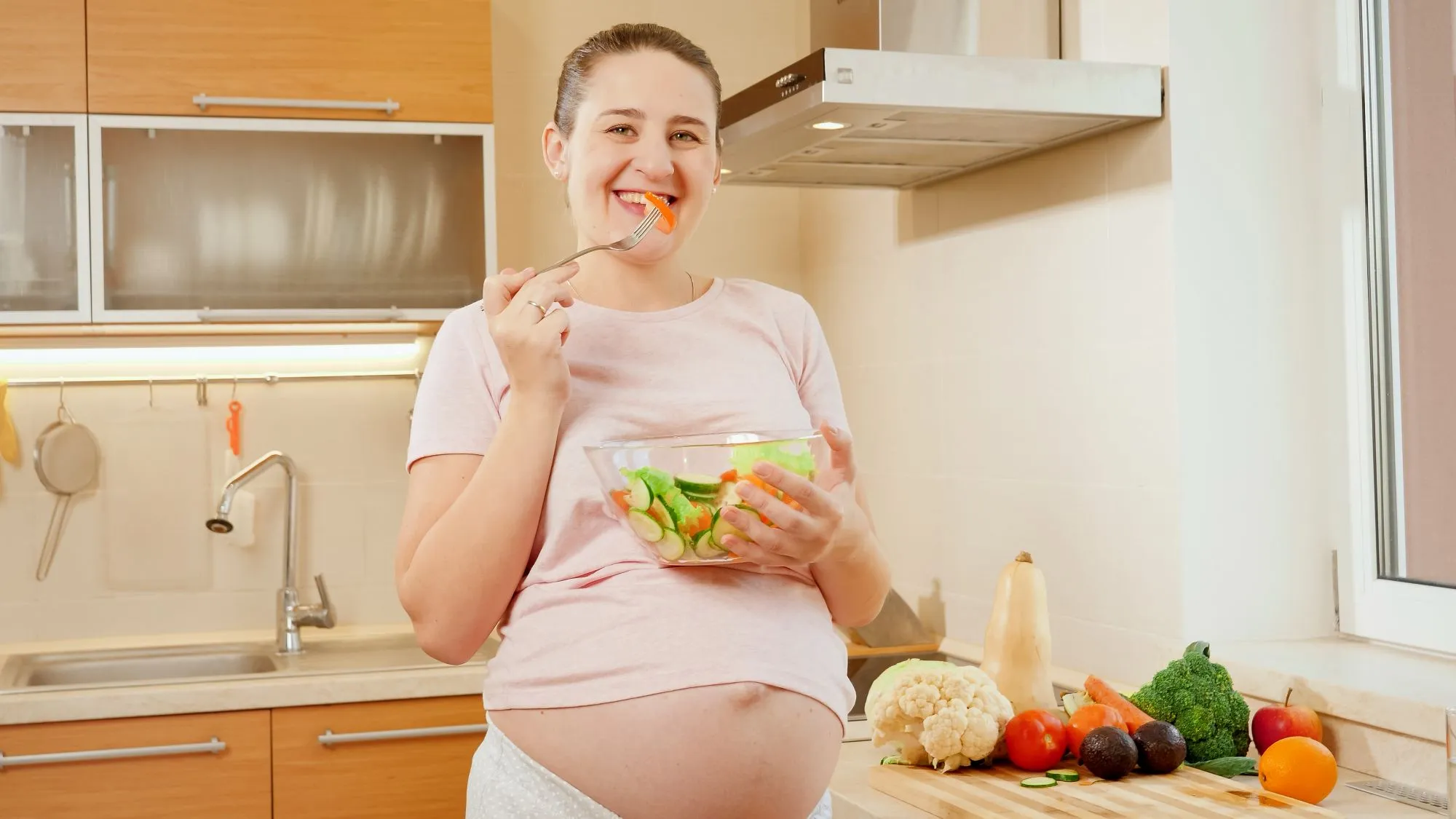
Eating well during pregnancy supports the health of both mother and baby. This guide explains the essentials of a healthy pregnancy diet, including key nutrients like folate, iron, iodine, and calcium. Learn which foods are safe, which foods to avoid, and how to build a balanced diet during pregnancy. You can also review your nutrition using the Parenting Hub Pregnancy Nutrition Checker.
Eating well during pregnancy plays an important role in supporting both the mother and the growing baby. A balanced pregnancy diet provides essential nutrients that help the body adjust to pregnancy while supporting the development of the unborn baby. Many pregnant women have questions about which foods are safe to eat, which nutrients are important, and how to maintain healthy eating habits throughout pregnancy.
During pregnancy, the body requires additional vitamins, minerals, and energy. This does not mean eating significantly more food, but rather choosing healthy food from a wide variety of food groups to support health during pregnancy.
Parents can also use the Pregnancy Nutrition Checker on Parenting Hub to understand whether their current diet supports healthy pregnancy nutrition.
Why Healthy Eating Matters During Pregnancy
Good nutrition during pregnancy supports the baby's growth and the mother's health. Certain nutrients are particularly important because they contribute to brain development, bone formation, and overall growth.
A healthy diet during pregnancy helps:
- Support the growth of the unborn baby
- Reduce the risk of complications
- Support healthy weight gain
- Provide energy for the mother
- Strengthen the immune system
Getting the right balance of nutrients can also help reduce the risk of certain health concerns, including miscarriage, birth complications, and nutrient deficiencies.
Important Nutrients During Pregnancy
Pregnancy increases the body's need for certain nutrients. These nutrients support the baby's development and maintain maternal health.
Folate and Folic Acid
Folate and folic acid are important for early fetal development. Adequate folate intake helps lower the risk of neural tube defect in the baby.
Foods that are good sources of folate include:
- Green leafy vegetables
- Leafy vegetables
- Legumes
- Lentil dishes
- Dried beans
Many health professionals recommend a folic acid supplement, particularly before and during early pregnancy, to ensure adequate intake measured in micrograms.
Iron
Iron helps produce red blood cells and supports oxygen delivery to the baby. During pregnancy, iron requirements increase significantly.
Sources of iron include:
- Red meat
- Plant sources such as legumes and lentils
- Fortified cereals
- Dried beans
- Green leafy vegetables
Some women may require an iron supplement if dietary intake is insufficient.
Calcium
Calcium is essential for the development of the baby's bones and teeth. If dietary calcium intake is low, the baby will draw calcium from the mother’s bones.
Foods that are a source of calcium include:
- Dairy foods
- Milk and yoghurt
- Cheese
- Calcium-fortified foods
Adequate calcium intake supports strong bones and overall maternal health.
Iodine
Iodine supports brain development and thyroid function. Many health professionals recommend iodine intake during pregnancy and pregnancy and breastfeeding.
Iodised salt, dairy products, and seafood can provide iodine.
Building a Balanced Pregnancy Diet
A balanced pregnancy diet includes foods from multiple food groups to ensure a wide variety of food and nutrients.
Healthy meals should include:
- Whole grains
- Lean proteins
- Fruits and vegetables
- Dairy or calcium-rich alternatives
- Legumes and plant proteins
Choosing foods from different food groups ensures that both the mother and baby receive a range of important nutrients.
Protein and Plant-Based Options
Protein supports tissue growth and repair. Both animal and plant sources can provide protein during pregnancy.
Examples include:
- Eggs
- Poultry
- Fish
- Legume dishes
- Dried beans
- Lentil meals
- Nuts and seeds
For those following a vegetarian diet, it is important to include a wide range of plant-based protein sources to meet nutritional needs.
Fish, Mercury and Food Safety
Fish provide important nutrients such as omega-3 fatty acids, but certain types of fish contain higher levels of mercury.
Pregnant women should avoid high-mercury fish such as swordfish and limit other seafood in line with dietary guidelines.
Choosing low-mercury fish helps support baby development while reducing exposure to harmful substances.
Preventing Food Poisoning During Pregnancy
Pregnant women are more vulnerable to food poisoning, including infections such as listeria. Food safety becomes particularly important during pregnancy.
Foods to avoid include:
- Unpasteurised dairy
- Certain soft cheeses
- Undercooked meats
- Refrigerated ready-to-eat foods stored too long
Maintaining safe food-handling practices helps reduce the risk of foodborne illness.
Supplements During Pregnancy
While a healthy pregnancy diet provides many nutrients, some women may need additional support through a supplement.
Common supplements recommended during pregnancy include:
- Folic acid
- Iodine
- Iron supplement
A doctor or midwife may recommend supplements depending on dietary intake and health needs. In some cases, a dietitian may also provide guidance to ensure nutritional needs are met.
Managing Healthy Weight Gain
Gradual weight gain is a natural part of pregnancy. Healthy weight gain supports the baby’s growth and helps prepare the body for birth and breastfeeding.
A balanced dietary pattern that includes nutritious foods from all major food groups supports steady and healthy weight gain.
Focusing on nutrient-rich meals rather than excessive calories can help maintain a healthy balance.
Checking Your Pregnancy Nutrition
Many parents wonder whether they are getting enough nutrients during pregnancy. Tracking daily intake and food variety can help identify potential gaps.
The Pregnancy Nutrition Checker on Parenting Hub helps expecting parents review their diet and understand whether they may need more of certain nutrients.
This tool provides practical guidance on healthy eating during pregnancy and helps parents build confidence in their daily food choices.
Final Thoughts - Pregnancy Diet
A balanced diet plays an important role in supporting both the mother and the baby. Choosing nutritious foods from different food groups, maintaining a variety of foods, and ensuring adequate intake of key nutrients such as folate, iron, calcium, and iodine can support a healthy pregnancy.
While food choices may change during pregnancy, focusing on healthy eating habits can help reduce the risk of complications and support the baby’s development.
For additional pregnancy guidance, parenting resources, and expert advice, parents can explore helpful information available through Parenting Genie.
Eating well when you become pregnant is not about perfection, but about making balanced choices that support the wellbeing of both mother and baby.
Related reading: 23 weeks pregnant
Related reading: pregnancy nutrition tracker guide
Related reading: pregnancy nutrition checker
Related reading: pregnancy nutrition advice