Pregnancy Weight Gain Calculator | Week by Week Tracker | Parenting Hub
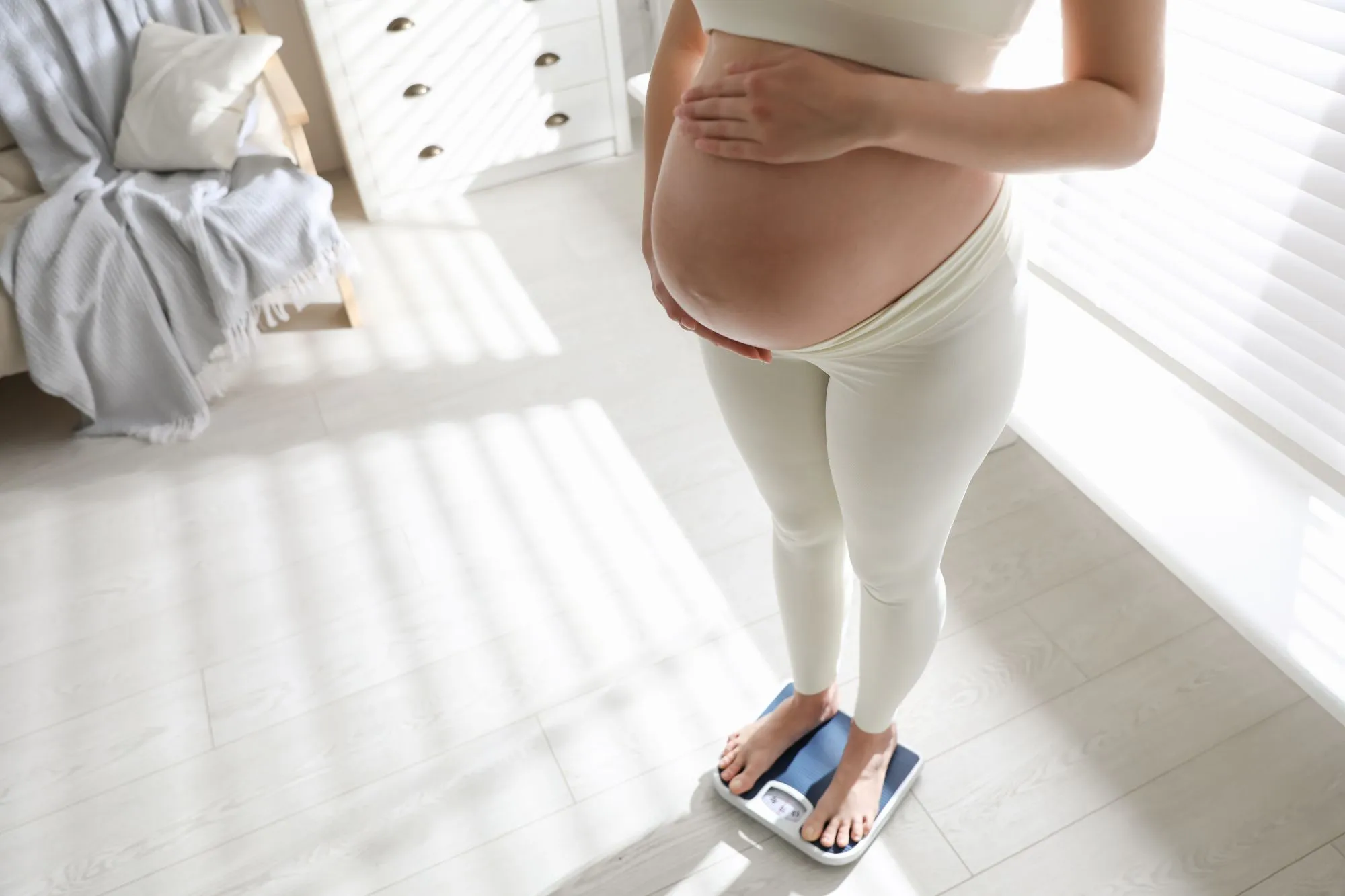
Wondering if you are gaining the right amount of weight during pregnancy? Learn what healthy pregnancy weight gain looks like and use our Pregnancy Weight Gain Calculator to track your progress week by week.
Pregnancy brings many physical changes, and one of the most common questions pregnant women ask is:
“Am I gaining the right amount of weight during pregnancy?”
Weight gain during pregnancy is completely normal and necessary for your baby’s growth and development. However, many pregnant people worry about gaining too much weight or too little weight.
Tracking pregnancy weight gain week by week can help you understand whether your weight gain is within a healthy range.
The Pregnancy Weight Gain Calculator on Parenting Hub helps pregnant women track recommended weight gain during pregnancy based on their pre-pregnancy BMI and week of pregnancy.
Why Tracking Pregnancy Weight Gain Matters
Healthy pregnancy weight gain supports both maternal health and fetal development.
During pregnancy, weight gain helps support:
- the child’s growth and development
- the placenta and amniotic fluid
- increased blood volume
- breast tissue development
- energy stores for breastfeeding after birth
Too little weight gain can increase the risk of premature birth or low birth weight, while excessive weight gain may increase the risk of complications such as:
- gestational diabetes
- preeclampsia
- c-section birth
This is why health care providers and midwives monitor weight gain during antenatal visits.
What Determines Healthy Pregnancy Weight Gain?
The recommended amount of pregnancy weight gain depends on your Body Mass Index (BMI) before pregnancy.
Your pre-pregnancy weight and height help determine your BMI category, which is used to estimate the recommended weight gain during pregnancy.
General guidelines include:
- Underweight (BMI below 18.5): 12.5 – 18 kg
- Normal weight (BMI 18.5 – 24.9): 11.5 – 16 kg
- Overweight (BMI 25 – 29.9): 7 – 11.5 kg
- Obese (BMI 30+): 5 – 9 kg
These recommendations come from organisations such as the Institute of Medicine, Mayo Clinic, and the Centres for Disease Control.
Your health care provider or midwife may adjust these recommendations based on your health history.
Pregnancy Weight Gain Week by Week
Weight gain during pregnancy usually happens gradually throughout the three trimesters.
First Trimester
During the first trimester, weight gain is often minimal.
Morning sickness, nausea, and appetite changes can affect eating patterns. Most pregnant women gain around 0.5 to 2 kg during this stage.
Second Trimester
The second trimester is when weight gain becomes more consistent.
Your baby’s growth accelerates, and your body increases blood volume and builds the placenta.
Most pregnant women gain about 0.4–0.5 kg per week during the second trimester.
Third Trimester
During the third trimester, your baby continues to grow rapidly.
Weight gain supports the baby’s growth, amniotic fluid levels, placenta, and fat stores needed for breastfeeding.
Your prenatal care provider will continue to monitor weight gain throughout pregnancy.
Use the Pregnancy Weight Gain Calculator
Tracking your pregnancy weight gain week by week can help you stay informed and reassured.
The Pregnancy Weight Gain Calculator on Parenting Hub allows pregnant women to quickly estimate their healthy total weight gain range.
To use the calculator, simply enter:
- Your height
- Your pre-pregnancy weight
- Your current week of pregnancy
The tool calculates your BMI and recommended pregnancy weight gain range based on your pregnancy stage.
You can try the calculator here:
Pregnancy Weight Gain Calculator – Parenting Hub Free Tools
This tool helps pregnant people track healthy weight gain and better understand what to expect during each trimester.
Tips for Healthy Weight Gain During Pregnancy
Maintaining healthy habits during pregnancy supports both mother and baby.
Helpful tips include:
- Eating nutrient-dense foods such as fruits, vegetables, lean protein, and whole grains
- Including healthy fats and balanced meals
- Staying active with safe physical activity, such as walking or prenatal yoga
- Attending regular antenatal appointments with your midwife or doctor
- Taking prenatal vitamins as recommended by your health care provider
These habits help support healthy pregnancy weight gain and overall maternal health.
Supporting Your Pregnancy Journey - Pregnancy Weight Gain Calculator
Pregnancy is a time filled with excitement and questions.
Parenting Hub provides free pregnancy tools and resources designed to support parents throughout pregnancy and early childhood.
You can explore additional tools, trackers, and parenting resources on the Parenting Hub Free Tools page.
As your pregnancy progresses and your baby arrives, soothing sounds and music may also help support your baby’s sleep and relaxation. Parents can explore personalised lullabies available through Genie Lullaby.
More parenting guidance and expert support are also available through Parenting Genie, helping families navigate pregnancy, newborn care, and early parenting.
Final Thoughts - Pregnancy Weight Gain Calculator
Weight gain during pregnancy is a natural and essential part of supporting your child’s development.
Understanding how much weight to gain and monitoring changes throughout pregnancy can help pregnant women feel confident and reassured.
Healthy pregnancy weight gain depends on factors such as pre-pregnancy BMI, nutrition, physical activity, and overall health.
Using tools like the Pregnancy Weight Gain Calculator on Parenting Hub can help you track progress week by week and better understand what healthy weight gain looks like during pregnancy.
Regular prenatal care with your midwife or health care provider remains the most important way to support a healthy pregnancy.
Related reading: week-by-week weight gain tracker guide
Related reading: calculate your pregnancy due date
How Much Weight Should a Premature Baby Gain by Corrected Age?
How Much Weight Should a Premature Baby Gain by Corrected Age?
After birth, a premature baby's growth is assessed differently from pregnancy weight gain. Health professionals usually use corrected age when considering growth and development until around 2 years of age. Corrected age accounts for how many weeks early your baby was born.
To calculate it, subtract the number of weeks your baby was premature from their age since birth. For example, a 16-week-old baby born 8 weeks early has a corrected age of 8 weeks.
Expected weight gain
There is no single amount every premature baby should gain at each corrected age. In the early months, many clinically stable preterm babies gain approximately 15–20 grams per kilogram per day. A 2 kg baby might therefore gain roughly 30–40 grams a day. This is a general guide only, and expected gain often slows as babies grow.
Your baby's appropriate target depends on their gestation at birth, birth weight, medical history, feeding, fluid needs and growth pattern. Babies with heart, lung, digestive or neurological conditions may have individual goals set by their neonatal or paediatric team.
How growth should be monitored
Weight is only one part of growth. Your healthcare team will also measure length and head circumference and plot these over time on an appropriate preterm or infant growth chart. The trend across several measurements is more useful than one weigh-in. Avoid frequent home weighing unless your care team recommends it, as normal daily fluctuations can cause unnecessary worry.
Offer feeds responsively by noticing early hunger cues, allowing pauses and watching for signs your baby has had enough. Follow any prescribed breastmilk fortifier, formula, supplement or feeding plan rather than changing it without clinical advice.
When to seek help
Contact your maternal and child health nurse, midwife, GP, paediatrician or neonatal team if your baby is feeding less, regularly too sleepy to feed, vomiting repeatedly, having fewer wet nappies, losing weight or not following their expected growth curve. Seek urgent medical care if your baby is difficult to wake, has trouble breathing, looks blue or unusually pale, or seems seriously unwell. In Australia, call 000 for an emergency.