Swollen Ankles, Feet and Fingers During Pregnancy | Swelling in Pregnancy
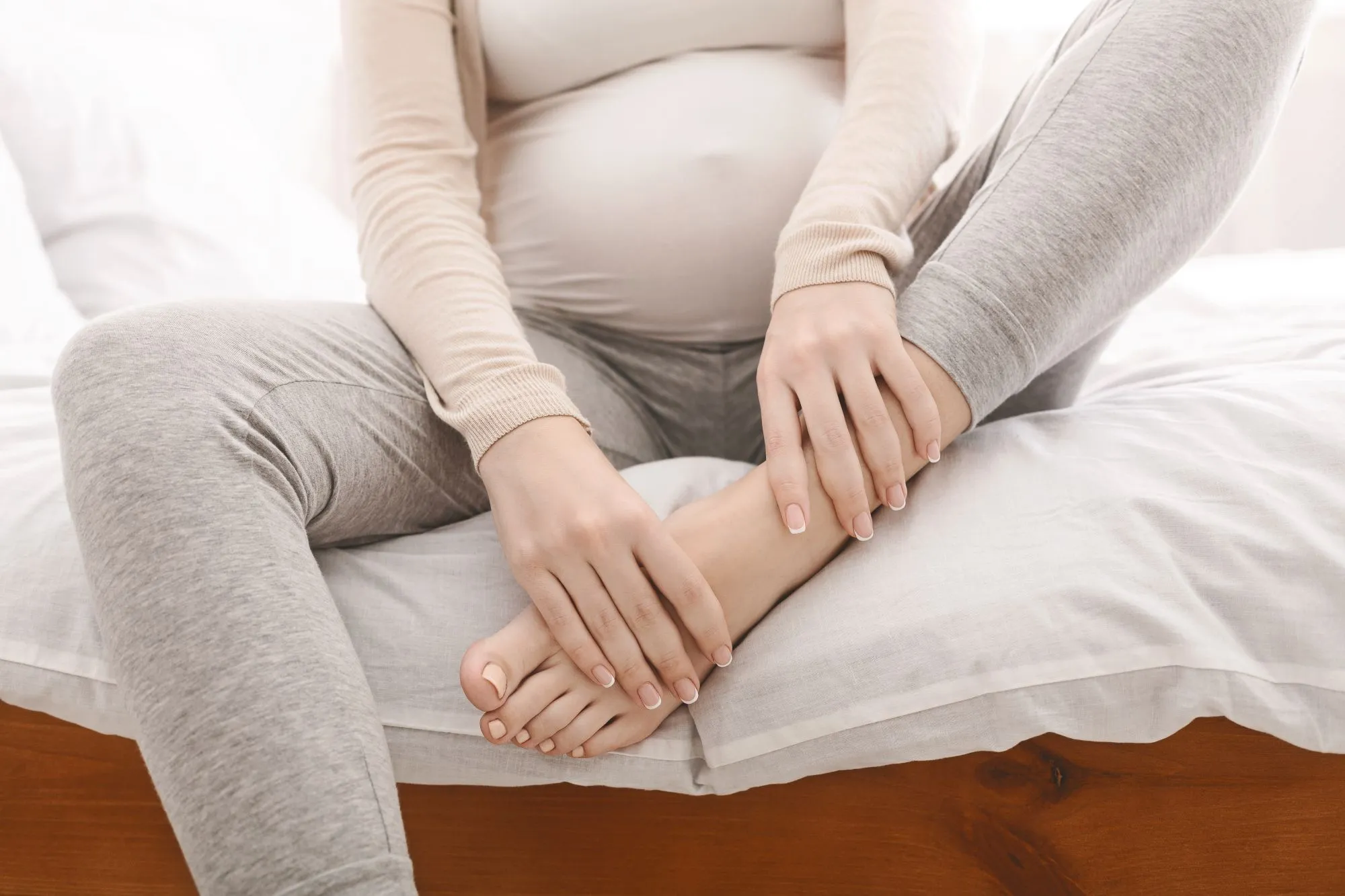
Swelling in pregnancy is very common, especially in the ankles, feet, and fingers. This guide explains why pregnancy swelling occurs, what causes swollen ankles and feet, and when swelling may need medical attention. Learn practical ways to reduce swelling, support circulation, and stay comfortable throughout pregnancy.
Many women notice swelling in pregnancy, especially in their ankles, feet, and fingers. This swelling, sometimes called pregnancy swelling or edema, is very common and usually becomes more noticeable as pregnancy progresses.
Swelling occurs because the body holds extra fluid to support the developing baby. Combined with changes in circulation and pressure from the growing uterus, this can lead to swollen ankles and feet during pregnancy.
While mild swelling is usually normal, understanding the causes and knowing when to seek advice can help pregnant women stay comfortable and confident throughout pregnancy.
If you are navigating common pregnancy symptoms, you can explore helpful guidance through the Parenting Hub’s free tools, which provide practical support for pregnancy and parenting.
Why Swelling Happens During Pregnancy
Swelling in pregnancy happens because the body naturally produces extra fluid to support the developing baby and placenta.
This additional fluid helps prepare the body for pregnancy and childbirth, but it can also lead to noticeable swelling in certain areas.
As pregnancy progresses, the growing uterus places pressure on blood vessels that return blood from the lower body to the heart. This pressure can slow blood flow, leading to fluid buildup in the tissues.
As a result, many pregnant women notice swelling in the legs, ankles, and feet, and sometimes in the fingers.
Common Areas Where Swelling Occurs
Swelling during pregnancy most often affects the lower body.
Common areas include:
- Ankles and feet
- Legs and feet
- Feet and ankles during pregnancy
- Swelling in your hands or fingers
Swelling may become more noticeable later in the day, particularly after standing for long periods.
Hot weather and increased activity can also make swelling more noticeable.
Swelling in Different Stages of Pregnancy
Swelling can occur at different stages of pregnancy, but is most common during the third trimester.
First Trimester
Some women notice mild swelling early in pregnancy due to hormonal changes and increased blood volume.
Second Trimester
During the second trimester, swelling may become more frequent as blood volume continues to increase.
Third Trimester
In the third trimester, swelling often becomes more noticeable as the growing uterus places pressure on major blood vessels.
This pressure can slow circulation from the lower body, leading to swollen feet and ankles.
How to Reduce Swelling During Pregnancy
Although swelling is common, there are several ways to help reduce swelling and stay comfortable.
Helpful tips include:
- Drinking plenty of water throughout the day
- Elevating your feet when resting
- Avoiding standing for long periods
- Wearing comfortable shoes
- Sleeping on your side to support circulation
Keeping your feet elevated helps improve blood circulation and reduce fluid buildup.
Regular gentle movement can also help encourage healthy blood flow.
Lifestyle Habits That May Help
Healthy daily habits can support circulation and help manage swelling.
Some helpful strategies include:
- Taking short walks
- Stretching your legs regularly
- Avoiding tight clothing around the ankles or legs
- Maintaining healthy hydration
Staying active helps the body circulate fluid more effectively and may help prevent excessive swelling.
When Swelling May Need Medical Attention
Although swelling in pregnancy is usually normal, sudden swelling or swelling accompanied by other symptoms may require medical attention.
Contact a healthcare provider if swelling occurs alongside:
- High blood pressure
- Severe headaches
- Vision changes
- Sudden swelling of the face, hands, or feet
These symptoms may be associated with pre-eclampsia, a condition that requires medical care.
Swelling in only one leg, especially if accompanied by pain or redness, may also indicate a blood clot and should be assessed by a healthcare professional.
Pregnant women should always speak with their doctor or midwife if they are unsure whether swelling is normal. During pregnancy, extra fluid and pressure on blood vessels can cause swelling, particularly in the feet and ankles, as circulation changes. If you notice sudden swelling in your face or severe swelling in your hands or legs, it is important to speak with a midwife, as it may be linked to conditions such as preeclampsia or problems with a vein.
Managing Comfort During Pregnancy
Simple daily adjustments can help pregnant women feel more comfortable when experiencing swelling.
Helpful comfort tips include:
- Resting with feet elevated
- Wearing supportive footwear
- Taking breaks throughout the day
- Avoiding excessive heat
Creating relaxing evening routines can also support overall wellbeing. Some parents enjoy calming background sounds or gentle music from Genie Lullaby, which may help promote relaxation and restful sleep.
Supporting Healthy Circulation
Healthy circulation is important during pregnancy.
Drinking enough fluids and staying active helps the body regulate fluid levels.
Maintaining regular prenatal care appointments also helps healthcare providers monitor pregnancy symptoms and ensure both mother and baby remain healthy.
Parents can also find helpful pregnancy advice on Parenting Genie, which offers trusted resources for pregnancy and early parenting.
Final Thoughts - Swollen Feet During Pregnancy
Swelling during pregnancy is very common, particularly in the feet, ankles, and fingers.
Extra fluid in the body, increased blood volume, and pressure from the growing uterus all contribute to this symptom.
Fortunately, simple strategies such as staying hydrated, elevating the feet, and maintaining gentle activity can help manage swelling.
While mild swelling is usually normal, sudden or severe swelling should always be discussed with a healthcare professional.
For additional support during pregnancy, helpful resources include free tools from Parenting Hub, expert advice from Parenting Genie, and relaxing support from Genie Lullaby.
Related reading: pregnancy changes at 10 weeks
Related reading: what happens at 12 weeks
Related reading: record symptoms in a pregnancy journal
Related reading: useful pregnancy tools and resources