Returning to Exercise After Birth: A Gentle, Pelvic Floor-First Approach
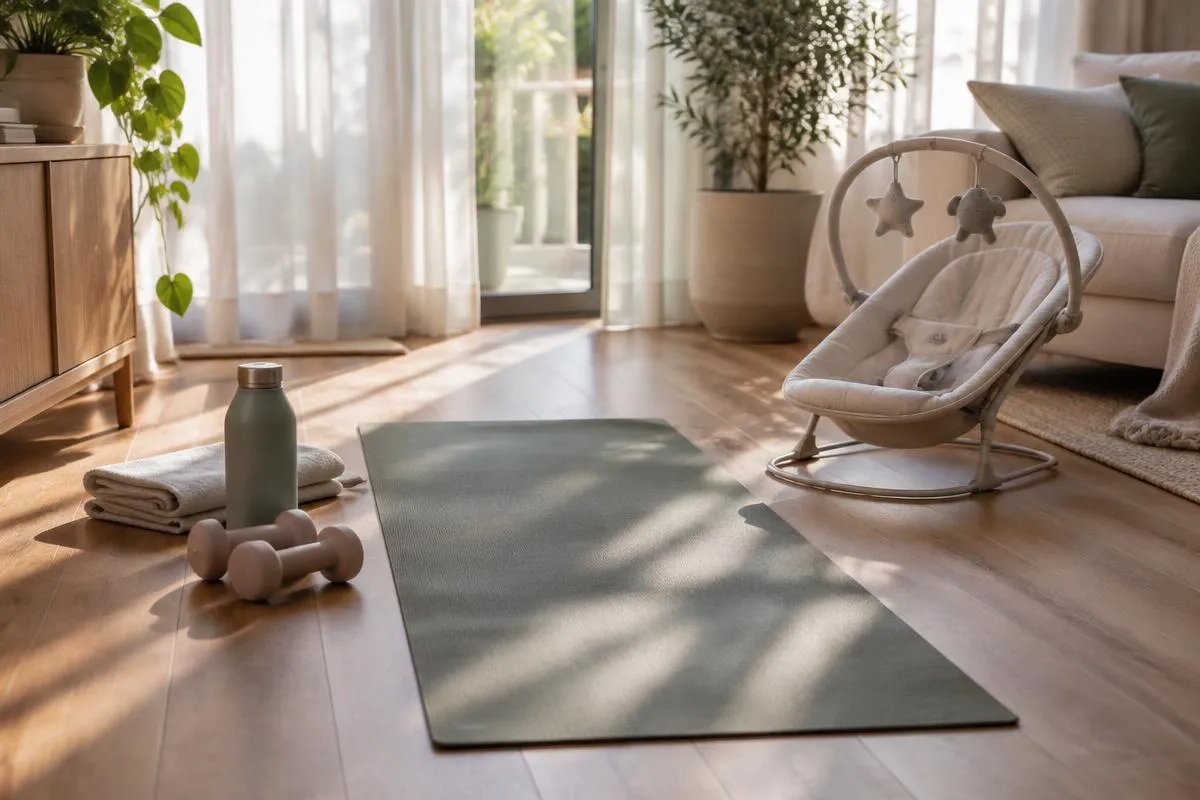
Your body has done something extraordinary. Here is a gentle, pelvic floor-first guide to returning to exercise after birth, at a pace that suits your recovery.
After pregnancy and birth, many parents look forward to moving their bodies again, whether for energy, mental health, or simply feeling like themselves. The key to a safe return is patience. Pregnancy and birth change your pelvic floor, abdominal muscles and joints, and recovery takes time regardless of how you gave birth.
This guide reflects advice from Australian women’s health physiotherapists and the Continence Foundation of Australia. It is general information, so always follow the guidance of your own care team.
Your body after birth
During pregnancy, your abdominal muscles stretch, your pelvic floor supports extra weight, and hormones loosen your ligaments. Birth itself, vaginal or caesarean, places further demands on your body. Healing involves tissue repair, muscle strengthening and rebuilding coordination.
Many women experience some pelvic floor weakness after birth, which may show up as leaking when coughing or sneezing, a feeling of heaviness, or difficulty controlling wind. These are common, but they are not something you simply have to live with.
Start with the pelvic floor
Pelvic floor exercises can usually begin gently in the days after birth, once you feel comfortable, and after a caesarean too. To find your pelvic floor, imagine stopping the flow of urine and holding in wind, lifting up and in. Then fully relax.
- Start with a few gentle squeezes, holding for a few seconds
- Gradually build towards longer holds and quick squeezes
- Breathe normally and avoid squeezing your buttocks or thighs
If you find this difficult, a women’s health physiotherapist can assess your pelvic floor and tailor a program.
Walking is a wonderful start
Gentle walking is often the first exercise most parents return to. Start with short walks of 10 to 15 minutes, perhaps with the pram, and increase gradually as you feel able. Walking supports circulation, mood and gentle fitness without overloading healing tissues.
On hot Australian days, walk early in the morning or in the evening, and carry water.
Abdominal separation
Abdominal separation (diastasis recti) is common after pregnancy, where the two sides of the abdominal muscles stretch apart. Many cases improve naturally in the first months. Gentle deep abdominal exercises, good posture and avoiding heavy strain help.
You might notice a ridge or doming along the middle of your tummy when sitting up. Rolling to your side to get out of bed and seeing a physiotherapist can help you manage it well.
A gradual progression
A common general timeline, adjusted to your recovery:
- Early weeks: pelvic floor exercises, deep abdominal activation, gentle walking
- Around six weeks: after your postnatal check, low-impact exercise such as swimming (once bleeding has stopped and wounds have healed), stationary cycling, postnatal pilates or yoga
- Around three months or later: gradual return to higher-impact activity, such as running or jumping, ideally after a pelvic floor assessment
After a caesarean, give your wound time to heal and avoid lifting anything heavier than your baby in the early weeks. Every recovery is different; this is a guide, not a deadline.
Listen to your body
Stop and seek advice if exercise causes:
- Leaking urine or faeces
- A feeling of heaviness or dragging in the vagina
- Pelvic, back or wound pain
- Increased bleeding or bleeding that returns after it had stopped
These are signs your body needs more time or a different approach, not signs of failure.
Movement and mental health
Exercise can support emotional wellbeing after birth, but so can rest. Some days a walk around the block is enough. If you are feeling low, anxious or overwhelmed for more than two weeks, speak to your GP or Maternal Health Nurse. PANDA (1300 726 306) also offers free support.
When to seek help
See your GP promptly if you have heavy bleeding, a fever, wound redness or discharge, or calf pain and swelling. Call 000 for chest pain or sudden shortness of breath. For pelvic floor concerns, the National Continence Helpline (1800 33 00 66) offers free advice from continence nurses.
Questions parents often ask
Can I exercise while breastfeeding? Yes. Moderate exercise does not affect your milk supply or quality. Feeding or expressing before exercise can make you more comfortable, a supportive sports bra helps, and drinking to thirst is important, especially in hot weather.
What if I had a caesarean? A caesarean is major abdominal surgery. Gentle walking and pelvic floor and deep abdominal exercises can usually start early, but avoid heavy lifting, sit-ups and high-impact exercise until your care team says it is okay, often from around six weeks or later. Some women benefit from a physiotherapy assessment before returning to more intense exercise.
How do I find time to exercise with a newborn? Start small. A short pram walk, a few minutes of pelvic floor exercises while feeding, or a gentle postnatal class with your baby all count. Some days rest will be the better choice, and that is okay.
What kind of class is best? Look for classes run by instructors with postnatal qualifications, or by women’s health physiotherapists. Postnatal pilates, yoga and pram walking groups are good options, and they also offer social connection.
Setting realistic goals
Rather than aiming to return to your pre-pregnancy fitness by a certain date, set goals around how you want to feel: more energy, stronger for carrying your baby, or a little time for yourself. Celebrating small wins helps you stay motivated without pressure.
Your postnatal check
Your six-week postnatal check with your GP or obstetrician is a good time to talk about returning to exercise. Ask about your pelvic floor, abdominal muscles, any wound healing and whether a referral to a women’s health physiotherapist would help. Bring a list of questions so nothing is forgotten in a busy appointment. ## Be kind to yourself
There is no prize for bouncing back quickly. Moving gently, building strength from the inside out and resting when you need it will serve you best for the years of carrying, lifting and playing ahead.