Supporting New Parents at Christmas: Meaningful Ways Family Can Help
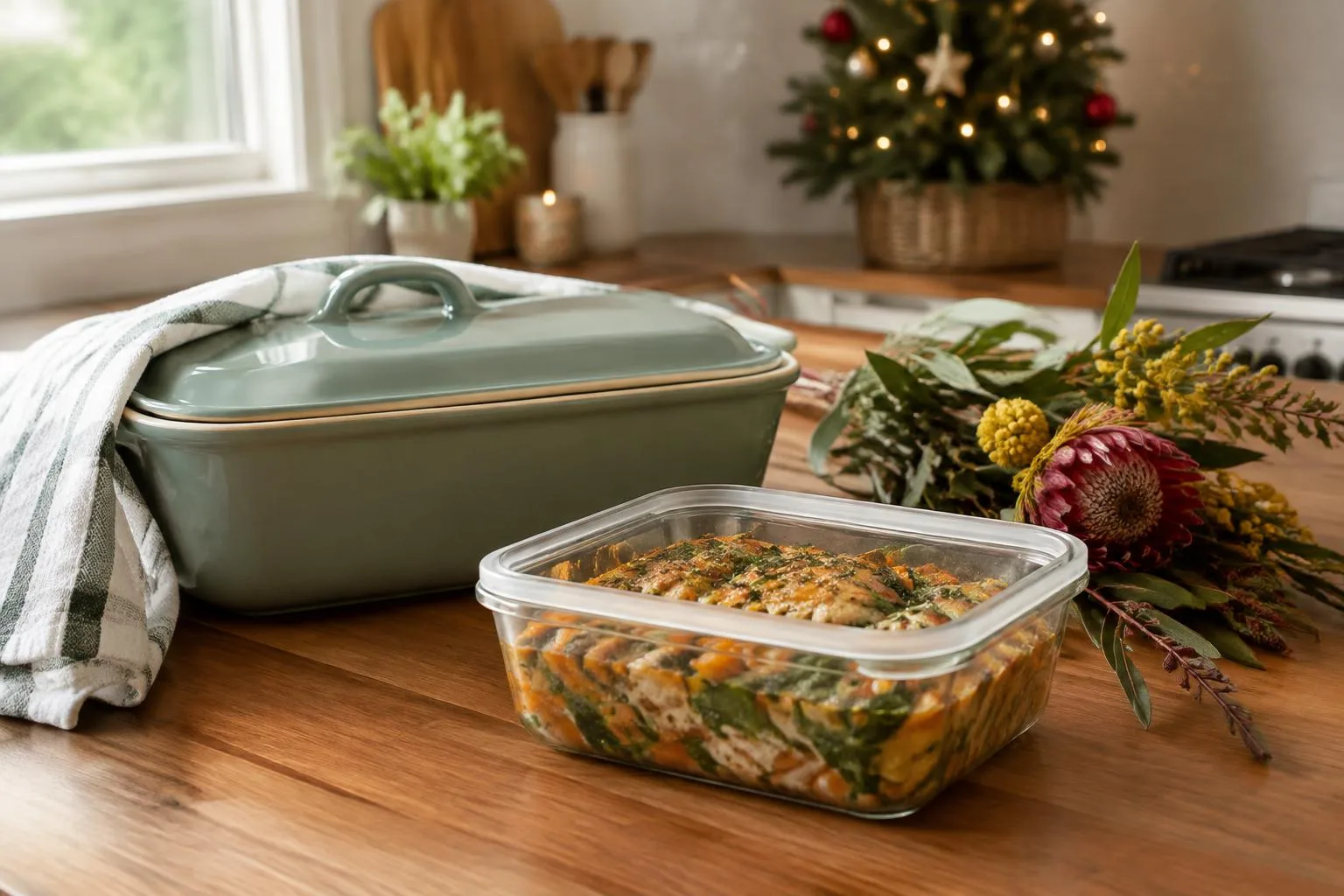
Meaningful ways family and friends can support new parents at Christmas: meals that need nothing, specific offers of time, lightening the festive load and watching for signs of struggle.
For a family with a new baby, Christmas can be equal parts magical and exhausting. There is a tiny person who does not care what day it is, feeds that still happen every few hours, and parents who are running on broken sleep while everyone around them celebrates. If someone you love has had a baby this year, the most meaningful gift you can give may not come wrapped at all.
New parents rarely ask for help, even when they desperately need it. Many feel they should be coping, or do not want to inconvenience anyone during the holidays. That is why the most valuable support is specific, offered rather than requested, and given without expecting anything — including a long visit — in return.
Feed them, properly
Food is the love language of the newborn months, and it works just as well at Christmas.
Deliver a meal that needs nothing. A casserole, a tray of lasagne or a container of soup that can go straight in the oven or freezer is gold. Drop it at the door, text that it is there, and do not expect to come in. Include a note with reheating instructions so they do not have to ask.
Think beyond dinner. Breakfasts and snacks are often harder for new parents than dinner. A bag of fresh fruit, some muffins, muesli bars or cut-up vegetables and dip means a parent holding a baby can eat one-handed — which is how a surprising amount of new-parent eating happens.
Check preferences first. A quick text asking about allergies or what they feel like eating takes thirty seconds and makes the gift twice as useful. If the mother is breastfeeding, most everyday foods are fine, but asking shows care.
Give time, not just things
What most new parents are shortest of is uninterrupted time — to sleep, to shower, to eat a hot meal with two hands.
Offer something specific. “Let me know if you need anything” is kind but rarely taken up. “I can come over Tuesday morning and hold the baby while you nap or shower — would that help?” is an offer someone can actually say yes to.
Do a job, not a visit. Hanging out a load of washing, running the vacuum, walking the dog or doing a grocery run are thirty-minute tasks for you and enormous relief for them. Many parents find it easier to accept help with a task than help with the baby, so offering both lets them choose.
Respect the short visit. If you do visit, keep it brief unless invited to stay, wash your hands before holding the baby, and never visit when you are unwell — even a mild cold matters around a newborn, especially during summer gatherings when viruses still circulate.
Lighten the Christmas load
The season itself adds work: cards, presents, travel, hosting. You can quietly take some of it off their plate.
Offer to wrap their gifts, pick up something from the shops while you are there, or drive so the parents can sit in the back with the baby. If they are hosting, arrive ready to work — bring a dish, set the table, do the dishes afterwards. If they are travelling to you, make it easy: a quiet room for feeds and naps, no pressure on timing, and genuine understanding if they leave early or do not come at all.
And if they say they are skipping the gathering this year, the kindest response is “we will miss you, and we completely understand” — followed by delivering a plate of Christmas food to their door.
Watch for the parents who are struggling
Christmas can amplify the hard parts of early parenthood. Broken sleep, feeding challenges and the gap between the festive ideal and the exhausting reality can weigh heavily, and perinatal anxiety and depression do not take holidays.
Signs a new parent may need more than practical help include persistent sadness or tearfulness, constant worry they cannot switch off, withdrawing from people, or saying things like “I’m not coping” or “the baby would be better off without me.” Take these seriously and gently.
You do not need to fix it — you need to listen without judgement and help them reach support. In Australia, PANDA (1300 726 306) supports expecting and new parents, and their GP, child and family health nurse or midwife are good first ports of call. If someone talks about harming themselves or the baby, treat it as urgent: call 000 or go with them to an emergency department.
Helping from a distance
If you live far away, you can still lighten the load. A meal-delivery voucher for a service that covers their area, a grocery delivery organised for the day after Christmas, or a cleaner booked for a one-off visit all travel well. So does a standing video call where you simply keep them company while they fold washing — connection matters as much as casseroles.
The gift of being remembered
Finally, remember that new parents are still themselves. Ask how they are — and wait for the real answer. Admire the baby, then ask about them. A text on an ordinary Tuesday in January, when the festivities are over and the visitors have gone, can matter more than anything under the tree.
Supporting new parents at Christmas is not about grand gestures. It is a meal at the door, a specific offer, a short visit and a listening ear — the things that make the season feel less like something to survive and more like something shared.