How Much Formula Does My Baby Need? Baby Formula Feeding
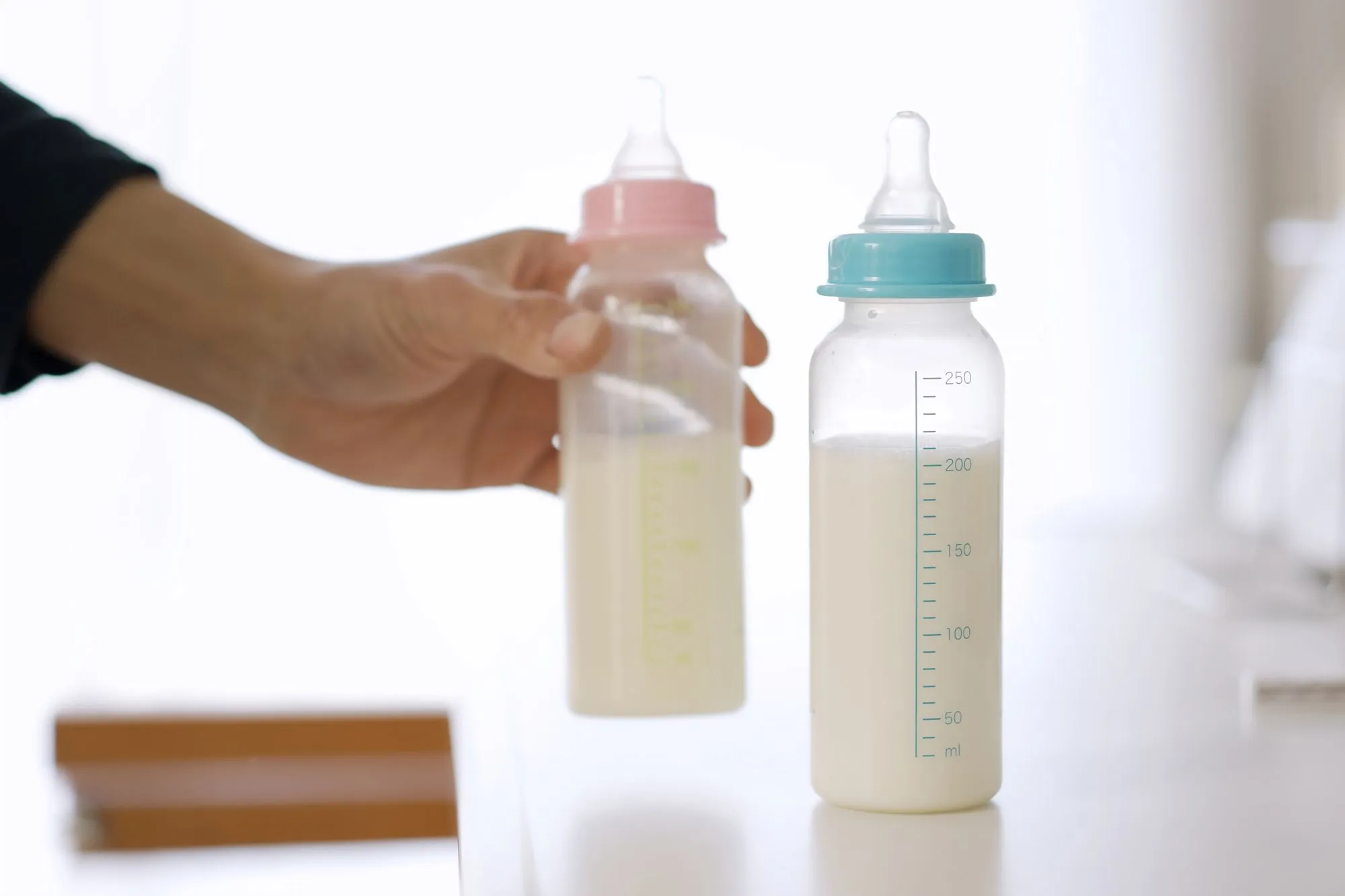
Wondering how much formula your baby needs? This guide explains baby formula feeding by age, including newborn, 4 months, and around 6 months. Learn the typical amount of formula babies need, understand feeding guidelines, and use the Baby Formula Calculator to estimate the right milk intake based on your baby's body weight and stage of development.
One of the most common questions parents ask during the newborn stage is simple but important: How much formula does my baby need?
Feeding a baby can feel confusing, especially in the early weeks. Some babies seem hungry all the time, while others take smaller feeds. Many parents worry they might be giving too much formula or not enough milk.
The truth is that every baby is different. A newborn, a baby at 4 months, and a baby around 6 months of age will all have different feeding needs. Growth spurts, sleep patterns, and body weight can all influence how much your baby drinks.
Understanding baby formula feeding and following simple feeding guidelines can help you feel more confident. Tools like the Baby Formula Calculator can also help you estimate the right amount of formula for your baby’s age and weight.
In this guide, we explain how much formula your baby may need, how feeding changes as babies grow, and when to adjust feeding routines.
How Much Formula Does My Baby Need? Understanding Infant Formula Feeding
In formula-fed babies, feeding patterns usually follow a predictable rhythm. However, each baby’s appetite varies.
Many experts use a general guide based on body weight to estimate how much and how often a baby may need formula.
A common guideline suggests that babies may drink around:
- 150–200 ml per kilogram of body weight per day
- Divided into several feeds across the day and night
For example:
- A newborn may drink small amounts frequently.
- A baby's intake may increase as they grow.
- By 4 months, feeds may become larger but less frequent.
Remember, these numbers are only estimates. Baby seems hungry or satisfied based on many cues, not just numbers.
To make things easier, you can use the Baby Formula Calculator on the Parenting Hub platform, which estimates the recommended amount of formula based on age and weight.
Parents can also explore helpful tools and guides on the Parenting Hub website, which offers valuable insights from pregnancy to early childhood.
How Much Formula Does My Baby Need? Formula Feeding by Age
Babies grow rapidly during the first year. Their formula-feeding needs change significantly at each stage.
Below is a simple overview of typical feeding amounts.
Newborn (0–4 Weeks Old)
During the newborn stage:
- Babies usually feed every 2–3 hours
- Each feed may be 30–90 ml
Because a formula-fed newborn has a small stomach, frequent feeds are normal.
You may notice your baby gets hungry soon after a feed. This is expected during the early weeks.
1–3 Months
At this stage:
- Feeds may increase to 90–150 ml per feed
- Feeding happens every 3–4 hours
Many babies begin to develop a feeding rhythm.
Parents sometimes worry when the baby is getting hungrier. Growth spurts can temporarily increase feeding demand.
Around 4 Months
By 4 months:
- Babies may take 120 ml or more per feed
- Feeding frequency may be reduced slightly
Some parents notice that their baby seems more distracted during feeds. This is a normal developmental stage.
Around 6 Months of Age
At around 6 months of age, some babies still rely heavily on milk.
Typical intake may be:
- 180–240 ml per feed
- About 4–5 feeds per day
Around this time, many families start introducing solids. However, breast milk or formula remains the main source of nutrition.
Baby Feeding Chart - How Much Formula Does My Baby Need?
Below is a simple guide for formula feeding by age.
|
Baby Age |
Amount of Formula per Feed |
Feeds per Day |
|
Newborn |
30–90 ml |
8–12 |
|
1–2 months |
90–120 ml |
6–8 |
|
3–4 months |
120–180 ml |
5–6 |
|
Around 6 months |
180–240 ml |
4–5 |
|
6 to 12 months |
180–240 ml |
3–5 |
These are general feeding guidelines. Babies will naturally adjust intake based on hunger and growth.
Signs Your Baby Needs More Formula
Sometimes parents wonder if their baby is getting enough milk.
Signs that a baby wants more milk may include:
- Baby still seems hungry after feeding
- Baby finishes feeds very quickly
- Baby wakes frequently for feeds
- Baby continues sucking after bottle is empty
If your baby gets upset during feeds or refuses milk, they may already be full.
Watching your baby’s cues is often more helpful than focusing only on numbers.
How the Infant Formula Calculator Helps
Estimating the correct amount of formula can feel overwhelming, especially for new parents.
This is where the Infant Formula Calculator comes in handy.
The tool helps you estimate formula intake based on:
- Baby’s age
- Body weight
- Typical feeding guidelines
Instead of guessing how much to feed your baby, the calculator gives a helpful starting point.
Parents can also use other supportive tools, including:
- Feeding trackers
- Growth and development guides
- Sleep support tools
All these resources are available on Parenting Genie, a platform designed to support families from pregnancy to early childhood.
Formula Feeding vs Breast Milk
Many families combine breast milk and formula feeding.
Both feeding methods provide nutrition, and families may choose what works best for them.
Some babies transition from breast milk to formula, while others use both.
The most important goal is ensuring your baby is:
- Growing well
- Feeding comfortably
- Showing normal development
Your health professional can also provide advice if feeding challenges arise.
Formula Feeding from 6 to 12 Months
Between 6 to 12 months, feeding patterns change again.
During this stage:
- Babies begin eating solids
- Formula intake may gradually decrease
- Milk remains an important source of nutrition
Parents often notice that the baby might drink less milk once solids are introduced.
However, infant formula or breast milk should still be offered regularly.
A 12 months old baby will usually transition toward cow’s milk and family meals.
When to Adjust Formula Amounts
There are times when your baby will need more or less milk.
Common situations include:
- Growth spurts
- Illness
- Changes in sleep patterns
- Starting solids
Because the baby is different, feeding amounts will naturally change over time.
Some babies also digest formula differently depending on the type of milk protein used in the infant formula.
Always follow your baby’s cues and consult a health professional if you have any feeding concerns.
Final Thoughts - How Much Formula Does My Newborn Need?
Understanding the amount of Formula Your Newborn Needs is an important part of early parenting.
Feeding can sometimes feel uncertain, but most babies develop their own rhythm over time. Using simple feeding guidelines, watching your baby’s cues, and adjusting feeding amounts as your baby grows can help make formula feeding easier.
Tools like the Infant Formula Calculator can remove some of the guesswork and provide helpful estimates based on age and body weight.
For more parenting tools, feeding guides, and expert resources, explore Parenting Genie, a platform offering valuable insights and support from pregnancy to early childhood.
Every baby grows differently, and with the right guidance and tools, you can confidently support your baby’s feeding journey.
Related reading: baby formula intake calculator
How Much Sleep Does a Seven-Week-Old Baby Need?
How Much Sleep Does a Seven-Week-Old Baby Need?
At seven weeks, many babies sleep for around 14–17 hours in a 24-hour period. This total is usually divided into several naps and stretches of night sleep rather than one long block. Some healthy babies sleep a little more or less, and their pattern can change from day to day.
Frequent waking is developmentally normal. Your baby still has a small stomach and may wake regularly for breastfeeds or formula feeds, including overnight. Their body clock is also immature, so they may not yet know the difference between day and night. Longer, predictable stretches often develop gradually rather than according to a fixed schedule.
Supporting sleep at seven weeks
- Respond to early tired signs such as yawning, staring away, jerky movements, fussiness or becoming quieter.
- Offer feeds responsively and check whether your baby needs comfort, a clean nappy or help settling.
- Keep daytime light and household sounds normal, and make overnight care quiet and dim.
- Avoid rigid sleep schedules. Short naps and unsettled periods are common at this age.
- For every sleep, place your baby on their back in a safe cot or bassinet with a firm, flat mattress and no pillows, loose bedding, toys or sleep positioners.
Contact your maternal and child health nurse, midwife or GP if you are worried about your baby's sleep, feeding, weight gain, breathing or general behaviour. Seek prompt medical advice if your baby is unusually sleepy, difficult to wake for feeds, feeding much less than usual or having fewer wet nappies.
Call emergency services on 000 if your baby is unresponsive, has difficulty breathing, turns blue or pale, or you believe they are seriously unwell. A baby under three months with a temperature of 38°C or higher needs urgent medical assessment.