Travelling with a Baby in Australia: Tips for Stress-Free Trips
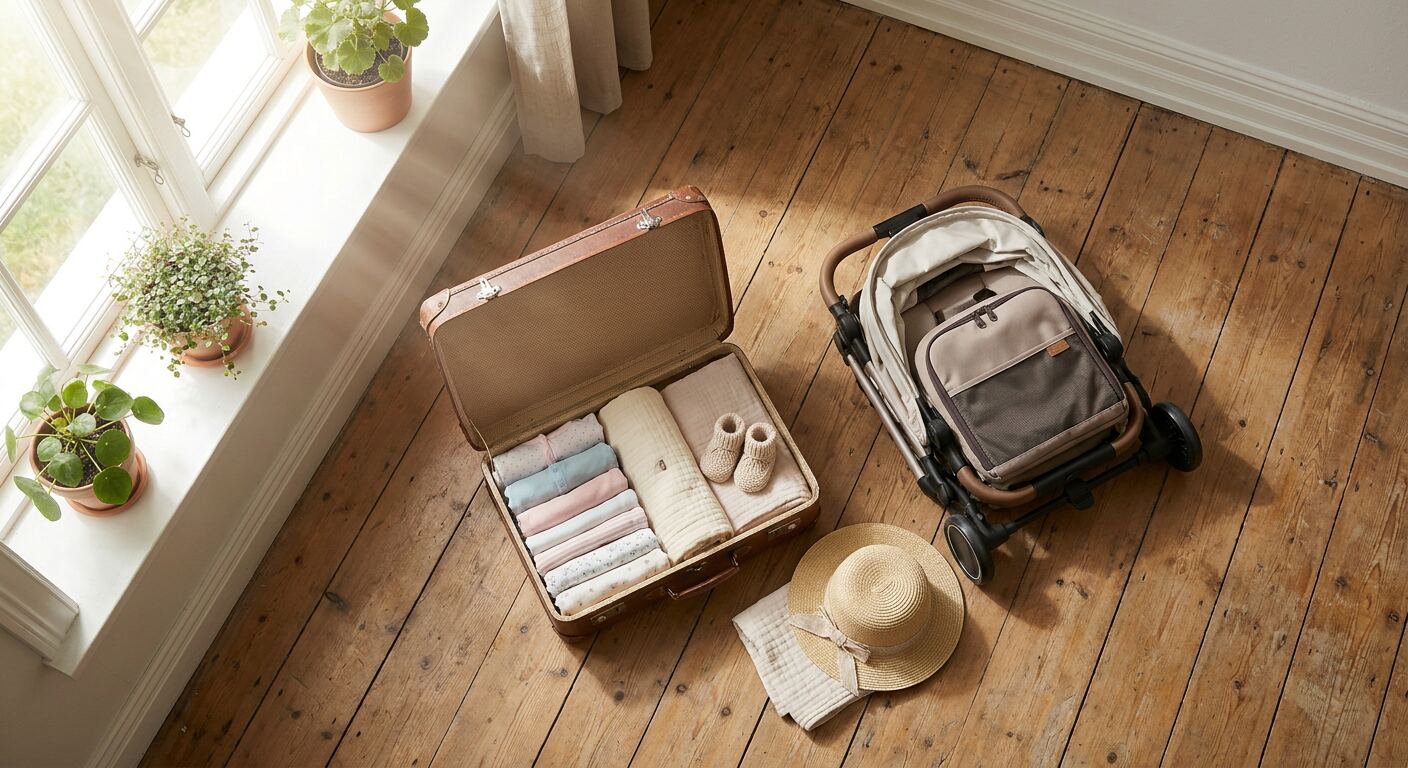
Planning a getaway with your little one? Discover our expert guide on travelling with a baby in Australia, from safe sleep to stress-free road trips.
Whether you are planning a weekend trip to the coast, visiting relatives interstate, or embarking on an adventurous road trip across the Nullarbor, travelling with a baby involves a shift in perspective. Gone are the days of throwing a single suitcase in the boot and hitting the road at sunrise. However, with a little extra preparation and a responsive approach to your baby’s needs, these trips can become some of your most cherished family memories. As Australian parents, we are lucky to have diverse landscapes to explore, but our unique climate and distances mean we need a solid plan to keep everyone comfortable and safe.
For many new parents, the first trip away can feel daunting. Your Maternal and Child Health Nurse is a wonderful resource if you find yourself feeling anxious about maintaining routines while away from home. They often suggest that the goal isn’t to replicate your home life perfectly, but to bring enough familiarity to help your baby feel secure. Remember, babies are remarkably adaptable when they feel safe and connected to their primary caregivers.
Before you even zip up the suitcases, it is worth checking in on your little one's current rhythms. Using a baby tracker for a few days before you depart can give you a clear picture of their current nap lengths and feeding intervals, which is invaluable for planning when to pull over for a break or when to book a flight.
Safety First: Road Trips and Sun Protection
In Australia, road trips are a rite of passage. However, long stints in a car seat require careful management. According to Red Nose Australia, it is vital to ensure your baby is not left in a car seat for extended periods. It is generally recommended to take a break every two hours to allow your baby to stretch out, move freely, and have some tummy time on a rug. This isn't just for their physical comfort; it’s essential for their safety and airflow.
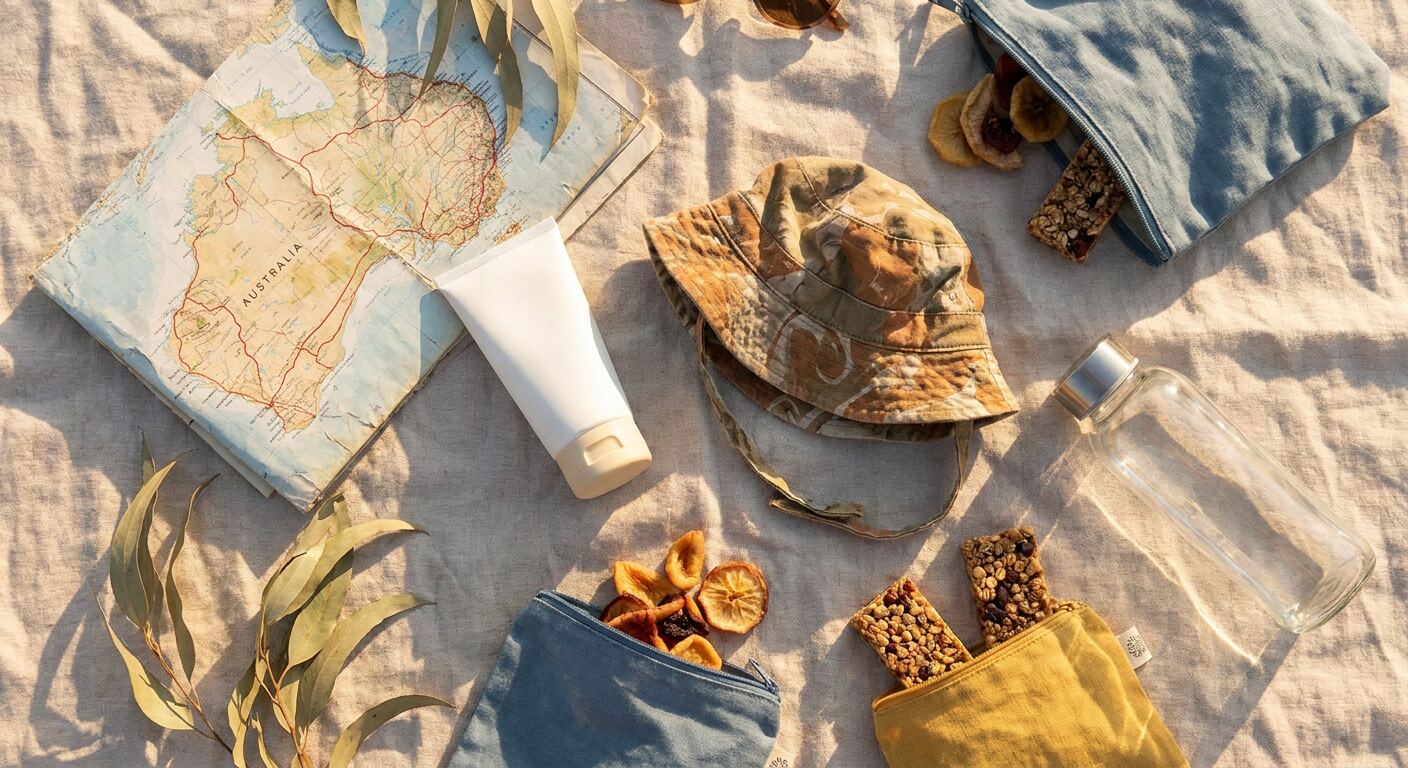
Sun protection is another non-negotiable in our climate. While we want our little ones to enjoy the great outdoors, their skin is incredibly delicate. The Royal Children's Hospital Melbourne advises that for babies under six months, the best protection is shade and clothing rather than sunscreen. If you are travelling through the hotter states, window shades for the car are essential, but ensure they don't interfere with the driver's visibility. If you are worried about your baby's development during a long stint of travel, our baby development milestone guide can help you find simple ways to engage them even while on the move.
The Art of the Sleep Environment
One of the biggest hurdles parents face is the shift in sleep environment. To prevent the dreaded over-tiredness, try to keep your baby’s sleep associations as consistent as possible. If they use a specific sleeping bag or a white noise machine at home, bring those items with you. The familiar scent and sound act as a 'sensory bridge' to help them settle in a new space. If you find the change in environment is disrupting their rest, our baby sleep guide offers gentle strategies to help them adjust.
“Maintaining a familiar sleep routine, even in a different time zone or environment, provides a sense of security that helps babies settle more easily.” — Advice often shared by the Australian Breastfeeding Association for travelling mums.
When staying in hotels or Airbnbs, always check that the provided cot meets the current Australian Safety Standard (AS/NZS 2172). If you are unsure, bringing your own portable cot that you have used at home at least once or twice can be a safer and more reliable option. Always follow Red Nose Australia guidelines: sleep baby on their back, on a firm, flat, and clean mattress, with no loose bedding or toys.
Flying with a Baby: Domestic Travel
Domestic flights in Australia are relatively short, but they still require strategy. If you are breastfeeding, the Australian Breastfeeding Association notes that feeding during take-off and landing can help equalise the pressure in your baby’s ears, reducing discomfort. If you are bottle-feeding, you can use our baby formula calculator to ensure you have packed more than enough for the journey, including potential delays.
Most Australian airlines allow you to check in bulky items like prams and car seats for free, but it’s always worth checking the specific terms of your carrier. Using a baby carrier or sling through the airport can keep your hands free for passports and snacks, and many babies find the closeness soothing amidst the hustle and bustle of a busy terminal.
Packing Essentials for the Australian Climate
- Clothing: Layers are your best friend. A chilly morning in Melbourne can turn into a warm afternoon, and plane cabins are notoriously temperamental.
- Health Kit: Pack an infant paracetamol (checking dosage with your GP or pharmacist first), a digital thermometer, and plenty of saline drops for dry cabin air.
- Hydration: If your baby is over six months and taking solids, ensure you have a straw cup for water. For younger babies, offer extra breastfeeds or formula to keep them hydrated in our dry heat.
- Nappies: Pack twice as many as you think you’ll need for the transit period. Delays happen, and the last thing you want is to be hunting for a chemist in an unfamiliar town at 9 PM.
Managing the Logistics of Feeding
If you are expressing or formula feeding, the logistics of cleaning and sterilising bottles on the road can be tricky. Many Australian patents find cold-water sterilising tablets useful for travel. If you have specific feeding concerns while away, you can always ask our genie midwife for quick tips on maintaining your supply or managing feeds while on the go. Most major Australian shopping centres have excellent 'Parents Rooms' equipped with microwaves and private feeding areas, which can be a sanctuary during a long day of travel.
Flexibility is Your Superpower
Perhaps the most important tip for travelling with a baby in Australia is to remain flexible. If a nap is missed or a nappy blowout happens in the middle of a scenic lookout, take a deep breath. Babies are very sensitive to our emotional states; if we can stay relatively calm, they are more likely to stay calm too. It is perfectly okay to abandon your planned itinerary for a day and just spend time together in a local park or at the beach.
Before you leave, you might want to look at a baby wake window calculator to help you gauge when to plan your travel segments. Timing your departures with their longest nap of the day can often result in a much smoother journey for everyone involved.
Ultimately, travelling with your baby is about the experience of being together. Australia is a beautiful country with world-class facilities for families. Whether you’re navigating the streets of Sydney or the red dirt of the Outback, your presence is your baby's home. Embrace the slower pace, take plenty of photos, and enjoy seeing the world through their new eyes.
This article is general information only and does not replace personalised advice from your GP, Maternal and Child Health Nurse, or paediatrician.
Related reading: planning a road trip with baby