Newborn Hiccups: Causes of Baby Hiccups and What to Do
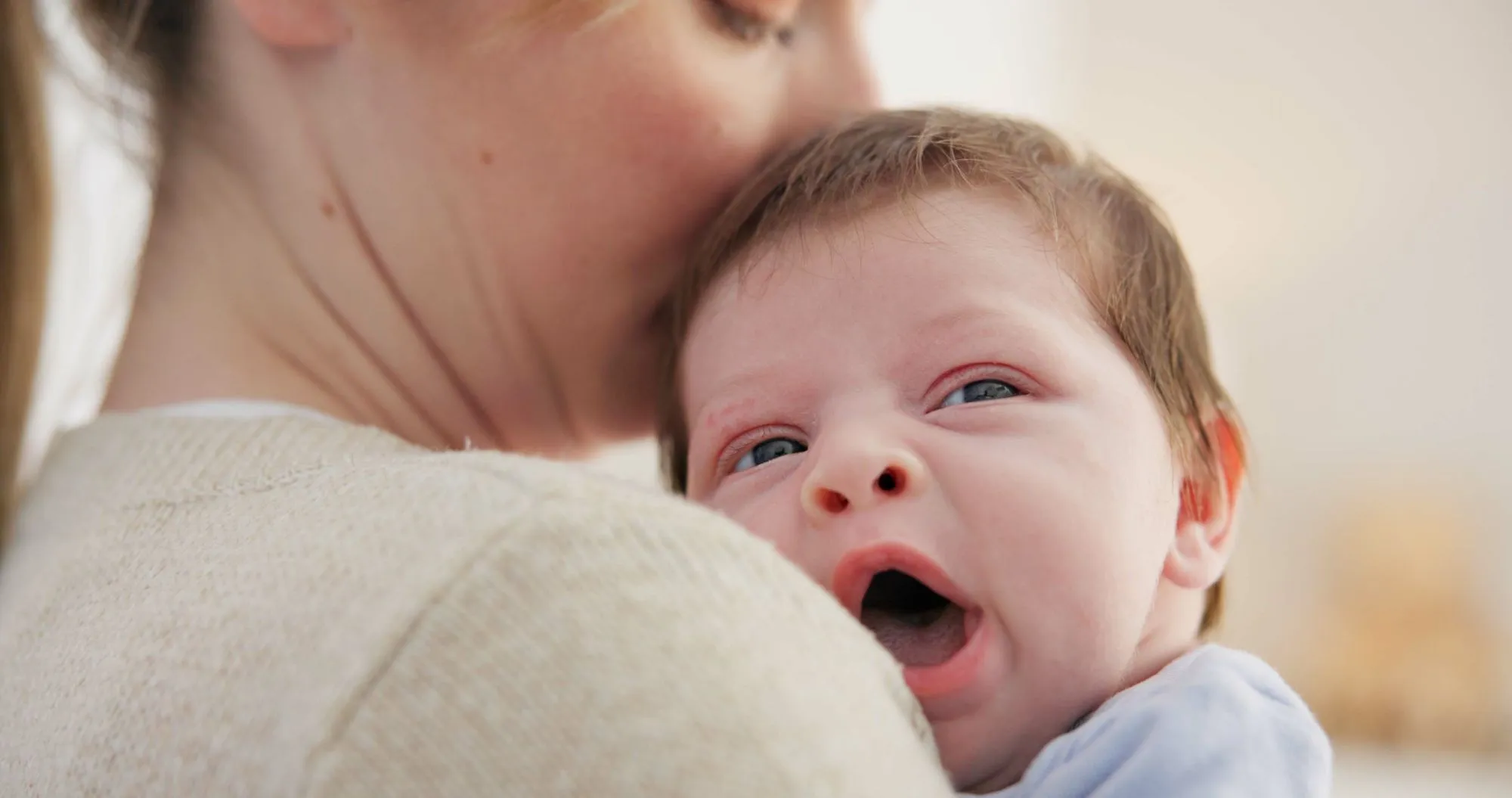
Newborn hiccups are common and usually harmless, but they can worry many parents. Learn why babies get hiccups, what causes them, and simple ways to soothe your baby and prevent hiccups.
Hearing your newborn hiccup for the first time can surprise many parents.
Those small jerks in your baby’s chest may make you wonder if something is wrong. Some parents worry their baby is uncomfortable or struggling to breathe.
The truth is that hiccups in babies are extremely common, especially in the newborn stage.
Most of the time, baby hiccups are completely normal and part of a newborn’s developing body. In fact, many babies even experience hiccups before they are born, while still in the womb.
Understanding why hiccups occur, what causes them, and what parents can do to help can bring peace of mind.
Why Do Newborn Hiccups Happen?
Newborn hiccups happen when the diaphragm muscle suddenly contracts or spasms.
The diaphragm is the muscle that helps control breathing. When it tightens quickly, it causes the familiar “hic” sound as air is pulled into the lungs.
In babies, the diaphragm is still developing, making it more sensitive and more easily triggered.
This is why hiccups occur more often in newborns and infants compared to older children or adults.
Many babies get hiccups several times a day, especially during the first few months of life.
Common Causes of Baby Hiccups
There are several simple reasons why a baby gets hiccups.
Swallowing Air During Feeding
One of the most common causes is swallowing air while feeding.
Whether a baby is breastfeeding or bottle feeding, they may swallow small amounts of air. This air can irritate the diaphragm and trigger hiccups.
Burping your baby during and after feeding can often help reduce this.
Feeding Too Quickly
If your baby feeds very quickly, the stomach may expand rapidly.
This sudden stretching can irritate the diaphragm and cause hiccups.
Some babies who feed eagerly may get hiccups shortly after feeding.
Reflux
Some babies experience mild reflux, where milk moves back up from the stomach.
This can irritate the diaphragm and trigger hiccups.
Most reflux in babies is mild and improves as their digestive system matures.
Changes in Stomach Temperature
Occasionally, they occur when there is a sudden change in stomach temperature.
For example:
- drinking milk followed by a cooler drink
- swallowing air while crying
- feeding after a long gap
These changes can stimulate the diaphragm.
Are Hiccups Normal for Newborns?
Yes.
Hiccups in newborns are very normal and rarely a cause for concern.
Many babies have hiccups several times a day during the newborn stage. In most cases, they do not bother the baby.
Babies often continue feeding, sleeping, or playing even while hiccupping.
As your baby grows, hiccups usually become less frequent.
How to Help Your Baby When Hiccups Occur
Although hiccups are usually harmless, parents often want to help their baby feel comfortable.
Here are gentle ways to help. (Get rid of baby hiccups)
Burp Your Baby
Burping can release trapped air in the stomach.
Try burping your baby during and after feeds.
Holding your baby upright while gently patting their back may help stop the hiccups.
Hold Your Baby Upright
Holding your baby upright for several minutes after feeding can help reduce pressure on the diaphragm.
This can prevent hiccups or help them stop more quickly.
Pause During Feeding
If your baby is feeding quickly, try taking small pauses during feeding. This might help prevent the hiccups.
This allows your baby to swallow comfortably and reduces the chance of swallowing air.
Let the Hiccups Pass
Often, the best thing to do is simply wait for the hiccups to pass.
Most episodes only last a few minutes.
Your baby may not even notice them.
Should You Try Remedies Like Gripe Water?
Many parents ask about remedies such as gripe water for hiccups.
While some families use it, hiccups in babies usually resolve naturally without treatment.
It is always best to speak with your paediatrician or health professional before using remedies, especially in newborns.
When Should Parents Be Concerned? Newborn Hiccups
Hiccups are rarely a medical concern.
However, you may want to seek advice if:
- Hiccups occur constantly and disturb feeding
- Your baby appears distressed during hiccups
- Hiccups are accompanied by vomiting or discomfort
- Feeding becomes difficult
In most cases, hiccups are simply a normal part of development.
Supporting Your Baby’s Comfort
Understanding your baby’s behaviour can make parenting feel much easier.
From feeding patterns to crying cues and sleep signals, small insights can help parents feel more confident.
You can explore free parenting tools on Parenting Hub that help parents understand their baby’s needs and daily patterns.
These tools help parents track feeding, sleep, development, and behaviour from pregnancy through early childhood.
If you are also looking for ways to help your baby relax and sleep peacefully, gentle sounds and music can soothe your baby when they feel unsettled.
You can explore calming personalised lullabies at Genie Lullaby, designed to help babies relax and settle.
For additional parenting support, resources, and expert guidance, Parenting Genie is also available, helping families navigate the early stages of parenting.
Final Thoughts – Newborn Hiccups
Infant hiccups can surprise many parents, but they are usually a normal and harmless part of development.
They often occur when babies feed quickly or experience minor stomach changes.
Most hiccups resolve naturally and do not cause discomfort for babies.
With gentle feeding techniques, burping, and upright positioning, parents can help reduce the chances of hiccups while keeping their baby comfortable.
As your baby grows, these little hiccup episodes usually become less frequent.
And remember, every baby is different and learning about these small behaviours is all part of the parenting journey.
Related reading: healthy newborn weight gain
Related reading: typical newborn sleep patterns
Related reading: why newborn babies sneeze
Related reading: understanding hiccups in newborns