Safe Bath Temperature for Newborns: An Australian Guide
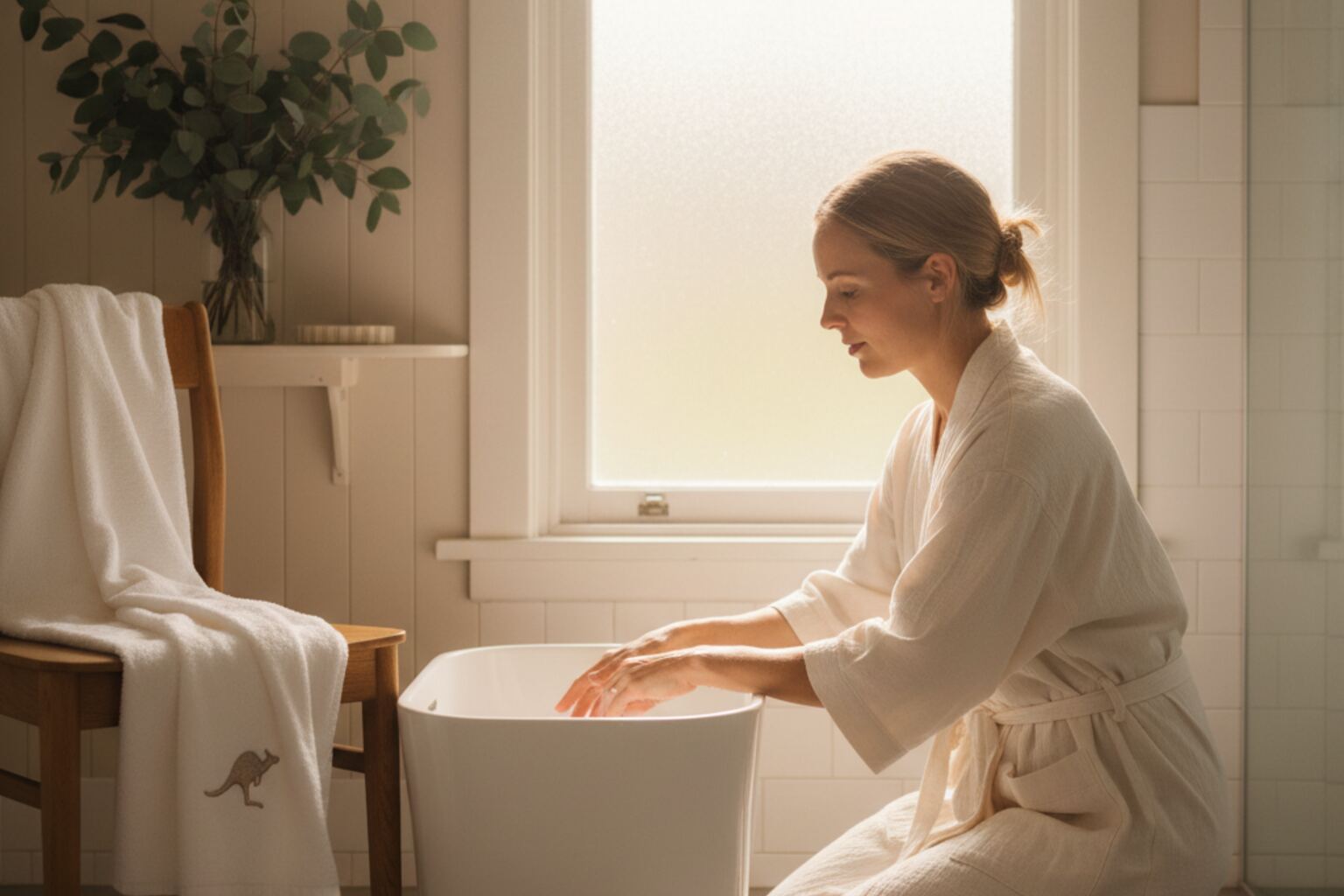
What's the ideal bath temperature for newborns? Aim for 37-38°C. Here's how to test it, plus safety tips from Maternal Health Nurses for first baths at home.
Welcoming a newborn into your family is an incredibly special time, filled with so many firsts – and the first bath is often a moment parents look forward to with a mix of excitement and a little apprehension. You want to make sure everything is just right, especially when it comes to keeping your precious little one safe and comfortable. Getting the bath temperature spot-on is a key part of this, and thankfully, it's easier than you might think!
The Goldilocks Zone: Ideal Bath Temperature for Newborns
When it comes to your newborn's bath, we're aiming for that 'just right' temperature. Think of it like this: your little one has spent nine months in a perfectly regulated environment, so a sudden change in temperature can be quite a shock. The ideal bath temperature for a newborn is between 37°C and 38°C. This is very close to body temperature, making the experience much more comfortable and less startling for them.
Why is this temperature so important? Newborns can't regulate their body temperature as effectively as older children or adults. Water that's too hot can quickly cause burns, while water that's too cold can lead to hypothermia, where their body temperature drops dangerously low. A Maternal Health Nurse will always emphasise the importance of this narrow temperature range to ensure a safe and enjoyable bath time.
How to Accurately Test the Water Temperature
Relying on your elbow or wrist is a common tip, and while it gives a good general indication, for newborns, precision is key. The most reliable way to check the bath water temperature is with a bath thermometer. These are readily available at most chemists and baby stores, and many even come in fun shapes!
- Use a Bath Thermometer: Place the thermometer in the water and wait for it to settle on a reading. Ensure it's within the 37-38°C range.
- Swirl the Water: Before testing, give the water a good swirl to ensure there are no hot spots, especially if you've added hot water after cold.
- Double-Check with Your Elbow/Wrist: Even with a thermometer, it's a good habit to dip your elbow or the inside of your wrist into the water. This area is more sensitive than your hand and will help you gauge if it feels pleasantly warm, not hot.
First Bath Tips for Australian Parents
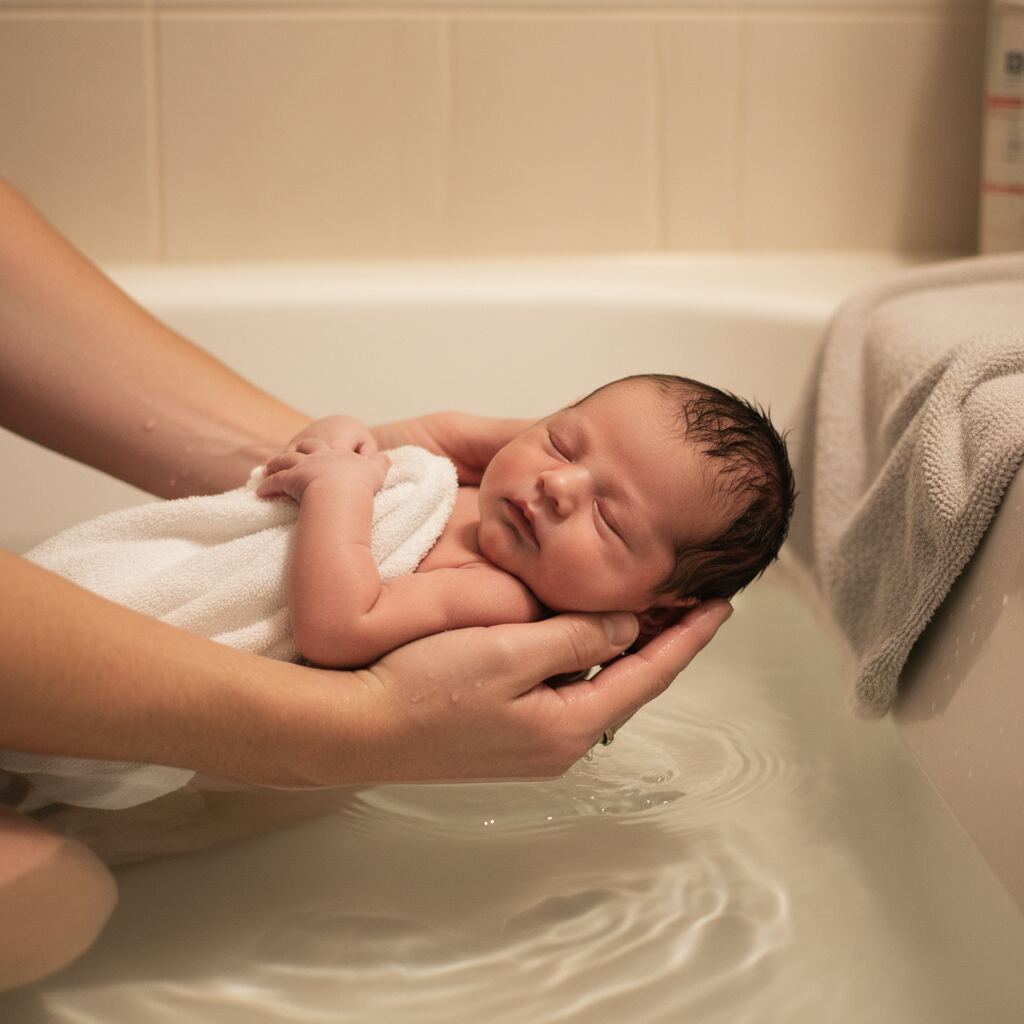
The first bath at home is a memorable milestone! Here are some tips to make it a smooth and happy experience for both you and your newborn, keeping in mind advice from Maternal Health Nurses across Australia.
Firstly, there's no rush to give your newborn a bath immediately after birth. In fact, many hospitals now recommend delaying the first bath for 24-48 hours. This allows the protective vernix caseosa (the white, waxy substance on their skin) to be absorbed, which acts as a natural moisturiser and immune barrier. When you do decide it's bath time, choose a moment when your newborn is awake and content, not hungry or overly tired.
Prepare everything you need beforehand. This includes a soft towel (perhaps even a hooded one!), a fresh nappy, clean clothes, gentle baby wash (if you choose to use one – plain water is often sufficient for newborns), and any lotions or creams. Having everything within arm's reach means you won't need to turn away from your newborn for even a second. For more general parenting resources, check out our free parenting tools.
Setting the Scene: A Warm and Calm Environment
Beyond the water temperature itself, the room temperature also plays a vital role. Ensure the bathroom is warm and free from drafts. Around 22-24°C is a good guide for the room temperature. You can use a small heater to warm the room if needed, but ensure it's at a safe distance from the bath and your newborn.
A calm environment helps your newborn relax. Speak in soft, reassuring tones, and keep the lighting gentle. Some parents like to play soft music. Remember, this is a bonding experience, so take your time and enjoy these precious moments.
Hot Water Safety Beyond the Bath
While we're focusing on bath time, it's crucial to extend hot water safety practices throughout your home. Scalds from hot tap water are a significant risk for children, and newborns are particularly vulnerable due to their delicate skin.
- Thermostatic Mixing Valves or Temperature Control Devices: Consider having a licensed plumber install a thermostatic mixing valve or a temperature control device on your hot water system. These devices limit the maximum temperature of hot water delivered to your taps, typically to 50°C for household use, making it much safer. While 50°C is still too hot for a newborn bath, it significantly reduces the risk of serious scalds from accidental exposure.
- Always Run Cold Water First: When filling a bath or basin, always run the cold water first, then add hot water. Turn off the hot water first, then the cold. This prevents accidental scalding from residual hot water in the tap.
- Supervision is Key: Never leave a child unsupervised in the bath, even for a second. Drowning can happen in mere inches of water, and very quickly. If you need to answer the door or phone, wrap your newborn in a towel and take them with you.
- Test Water in Other Areas: Be mindful of hot water coming from other taps in the house, particularly in the kitchen or laundry. Small hands can reach these areas surprisingly quickly.
For more insights into keeping your home safe as your family grows, you might find our blog a useful resource.
Making Bath Time a Joyful Routine
As your newborn grows, bath time can become a wonderful part of your daily or evening routine. It's a chance to connect, play, and wind down before sleep. While the exact frequency of bathing can vary (newborns don't need a daily bath; 2-3 times a week is often sufficient unless they've had a 'poosplosion'!), consistency in your approach to temperature and safety will build confidence for both of you.
As your little one becomes a toddler, they might start to enjoy bath toys and splashing. Remember to continue to monitor the water temperature even as they get older, although the precise 37-38°C becomes slightly less critical once they can verbally communicate if the water is too hot or cold. However, always err on the side of caution. For tips on managing sleep routines around these activities, our baby sleep tools might be helpful.
Remember, every newborn is different, and some might love the bath from day one, while others take a little longer to adjust. Be patient, be gentle, and always prioritise safety. If you have any concerns about your newborn's skin, bathing routine, or anything else, don't hesitate to chat with your GP, Maternal Health Nurse, or paediatrician. You're doing a fantastic job, and these moments are truly precious.
Practical tips for Australian families
Every baby develops at their own pace. The guidance below reflects current advice from the Australian Breastfeeding Association, Raising Children Network and our team's Maternal Health Nurses. Use it as a gentle framework — not a checklist to stress over.
What to watch for week to week
- Consistency over speed: tiny daily cues matter more than dramatic leaps.
- Connection over correction: warm, responsive interactions build the brain pathways behind every milestone.
- Rest over rush: tired babies (and parents) struggle to show their best. Protect sleep windows.
When to check in with your GP or Maternal Health Nurse
Trust your instincts. If something feels off — feeding, breathing, settling, or development — book a free Maternal & Child Health appointment. Early conversations almost always lead to easier solutions, and reassurance is a perfectly valid reason to call.
How Parenting Hub can help
Our free parenting tools include a baby tracker, sleep coach, and AI midwife so you can log patterns, spot trends, and get evidence-based answers in seconds — without leaving the lounge room. Members also unlock printable routines tailored to your child's age and temperament.
If you'd like personalised support, our care plans are written by a registered Maternal Health Nurse and delivered straight to your inbox within 24 hours.
Related reading: setting up a safe sleep space