Weekly Baby Meal Plan: A Simple 7-Day Guide
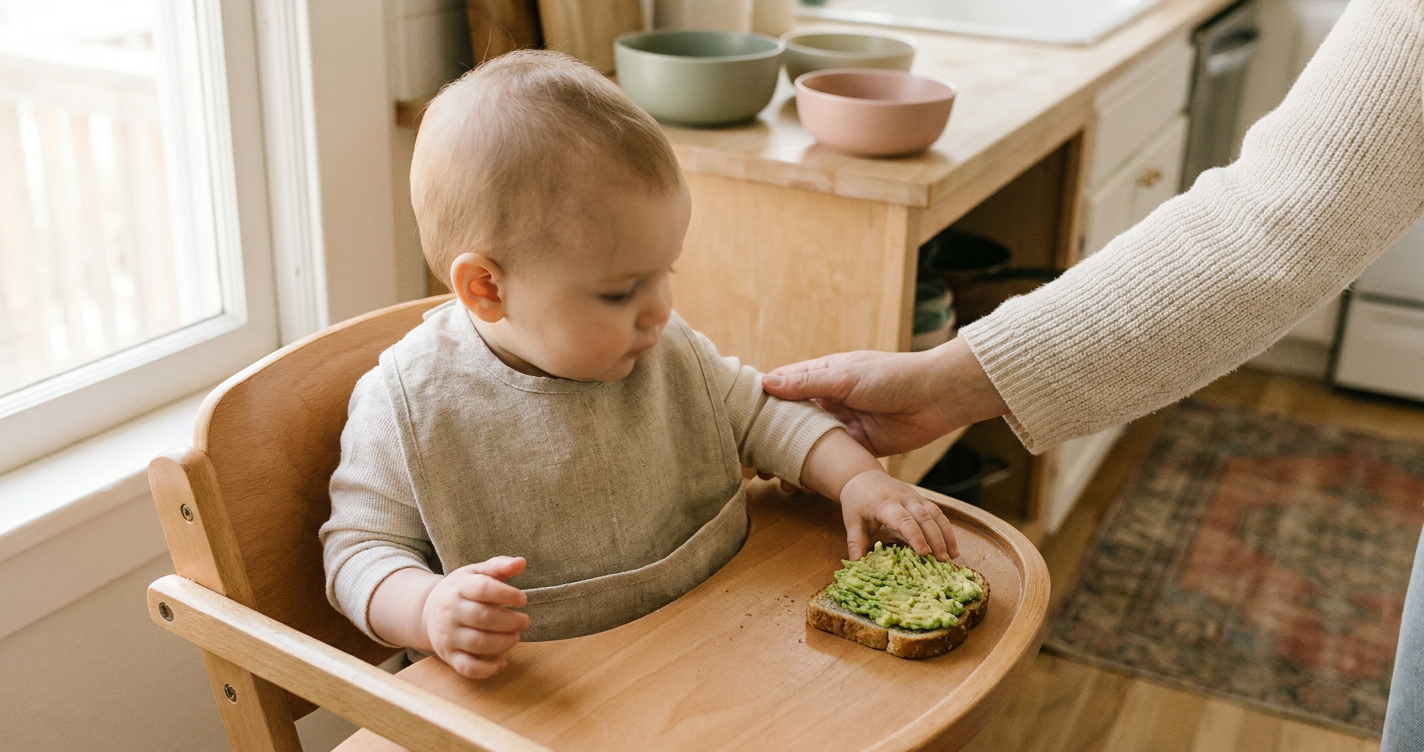
A practical seven-day meal and fruit plan for babies from around 6 months, with safe textures, portions, allergens and responsive-feeding tips.
A suitable weekly baby meal plan depends on your baby's age, development, feeding skills, allergies and family diet. Most babies can begin solid foods at around 6 months when they show readiness signs. Start with one small meal daily, then gradually offer two and eventually three meals according to your baby's appetite. Breast milk or infant formula remains the main source of nutrition throughout the first year.
The seven-day plan below suits many babies from around 6 months and can be adapted for older babies. Each meal combines an iron-rich food, vegetables or fruit, and an energy-rich food where practical. Begin with soft mashed, lumpy or finger-food textures your baby can manage. Offer small amounts without pressure, follow hunger and fullness cues, and expect intake to vary from day to day.
Before using this weekly baby meal plan
Your baby may be ready for solids when they can sit upright with good head control, reach for and grasp food, and bring it to their mouth. They should also be able to swallow food rather than consistently push it back out. Read our guide to starting solids at 6 months for more help with readiness, first foods and textures.
If your baby was born prematurely, has feeding or growth concerns, or has a medical condition, ask your maternal health nurse, midwife, GP or paediatric dietitian when and how to begin.
A flexible seven-day baby meal and fruit plan
This is a menu rather than a strict schedule. For a new eater, select one meal each day. As your baby becomes comfortable, build toward breakfast, lunch and dinner. Start with a teaspoon or two and offer more if your baby shows interest. Older babies may eat several tablespoons or more, but there is no single correct portion.
Day 1
- Breakfast: Iron-fortified baby cereal mixed with breast milk, prepared formula or water, with mashed pear.
- Lunch: Soft lentils mashed with well-cooked carrot and a little olive oil.
- Dinner: Flaked, thoroughly cooked salmon with mashed potato and soft broccoli.
- Fruit option: Ripe pear, grated finely, mashed or served as a very soft finger-sized piece.
Day 2
- Breakfast: Plain, full-fat pasteurised yoghurt with mashed banana and smooth peanut butter thinned and mixed through thoroughly.
- Lunch: Well-cooked scrambled egg with avocado and soft toast fingers.
- Dinner: Minced beef cooked until soft in a no-added-salt tomato and vegetable sauce, served with mashed sweet potato.
- Fruit option: Mashed banana or a soft banana spear.
Day 3
- Breakfast: Soft porridge with stewed apple and smooth seed or nut butter mixed in.
- Lunch: Mashed chickpeas with cooked courgette and olive oil, served with soft strips of flatbread.
- Dinner: Soft chicken, rice and vegetable casserole, finely chopped, mashed or shredded to suit your baby's skills.
- Fruit option: Peeled apple stewed until soft. Raw apple pieces are a choking hazard.
Day 4
- Breakfast: Mashed avocado on soft toast fingers, with well-cooked egg.
- Lunch: Iron-fortified baby cereal with mashed berries.
- Dinner: Mashed beans with soft-cooked pumpkin and broccoli.
- Fruit option: Blueberries cooked or squashed flat; never serve whole round berries.
Day 5
- Breakfast: Plain full-fat yoghurt, soft oats and mashed peach.
- Lunch: Soft flaked fish with avocado and well-cooked peas, crushed or mashed.
- Dinner: Lentil and vegetable pasta sauce with very soft pasta pieces in a manageable shape.
- Fruit option: Soft ripe peach or nectarine, with the stone removed.
Day 6
- Breakfast: Iron-fortified cereal with mashed prune or pear.
- Lunch: Omelette strips with soft-cooked spinach and sweet potato.
- Dinner: Tender shredded lamb or tofu with couscous and well-cooked vegetables, moistened to avoid a dry texture.
- Fruit option: Soft ripe mango mashed or offered as a large, slippery spear with some skin left on as a handle.
Day 7
- Breakfast: Soft porridge with mashed banana and tahini mixed through thoroughly.
- Lunch: Mashed white beans and avocado on soft toast fingers, with tomato cooked until soft.
- Dinner: Family-style mild chicken or lentil curry made without added salt, served with soft rice and vegetables.
- Fruit option: Orange segments with seeds and tough membrane removed, or soft ripe melon cut into wide finger-shaped pieces.
Fruit, vegetables and iron-rich foods
Fruit is nutritious, but it does not need to be offered at every meal or replace iron-rich foods. Babies need regular sources of iron from around 6 months. Suitable options include iron-fortified infant cereal, meat, fish, eggs, lentils, beans, chickpeas and tofu. Pairing plant sources of iron with vitamin C-rich foods such as berries, broccoli, tomato, citrus or kiwi can support iron absorption.
Whole fruit is generally preferable to juice. Juice and sweet drinks are not needed. Offer a variety of colours and flavours, including vegetables that are not sweet, so your baby can become familiar with a broad family diet.
Milk feeds, water and daily rhythm
Continue responsive breastfeeding or age-appropriate infant formula alongside meals. You can offer solids after a milk feed when first starting, then gradually fit meals into your family's routine. Visit our breastfeeding support hub if you have questions about combining milk feeds and solids.
From around 6 months, offer small sips of water from an open cup or free-flow cup with meals. Cow's milk can be used in cooking from around 6 months if tolerated, but it should not replace breast milk or formula as the main drink before 12 months.
Introducing common allergens
Common allergenic foods include egg, peanut, tree nuts, cow's milk, wheat, soy, sesame, fish and shellfish. Introduce them one at a time, in an age-appropriate form and a small amount, ideally earlier in the day when your baby is well. Once tolerated, continue offering them regularly as part of the usual diet.
Never offer whole nuts or a spoonful of thick nut butter because they are choking hazards. Thin smooth nut butter with warm water, breast milk, formula or purée, or mix it thoroughly into cereal or yoghurt. If your baby has severe eczema, an existing food allergy or a previous reaction, seek individual medical advice before introducing allergens.
Safe preparation and responsive feeding
- Sit your baby upright and supervise every bite. Do not feed them while they are lying down, crawling, walking or travelling in a moving vehicle.
- Cook eggs, meat, poultry, fish and shellfish thoroughly. Remove bones, stones, seeds, tough skins and gristle.
- Modify choking hazards. Quarter grapes and cherry tomatoes lengthways; cook hard fruit and vegetables; squash berries and beans; and spread sticky foods thinly.
- Avoid honey before 12 months because of the risk of infant botulism.
- Avoid unpasteurised dairy products, raw eggs, undercooked animal foods and high-mercury fish. Follow local guidance on suitable fish.
- Do not add salt, stock cubes, sugar or sweeteners to your baby's food. Check packaged foods for sodium and sugar.
- Let your baby decide whether and how much to eat. Signs of fullness include closing the mouth, turning away, slowing down or pushing food aside.
- Gagging can be noisy and is a normal protective response while learning. Choking may be silent and requires immediate action. Consider an infant first-aid course.
How to make the plan practical
Batch-cook unsalted lentils, meat sauces or vegetable casseroles and freeze small portions promptly in suitable containers. Refrigerate cooked food quickly, reheat it until steaming hot, then cool it to a safe temperature before serving. Do not repeatedly reheat food, and discard food left in the baby's bowl because saliva can introduce bacteria.
You do not need to prepare separate elaborate meals. Adapt family foods before adding salt, chilli or salty sauces. Repeated exposure matters: a baby may need many calm opportunities to explore an unfamiliar taste. Touching, smelling, squashing and licking food are all part of learning.
When to seek help
Call emergency services immediately if your baby cannot breathe, cry or cough effectively; becomes blue, pale, floppy or unresponsive; or has signs of a severe allergic reaction such as difficulty breathing, wheezing, sudden tongue or throat swelling, collapse, or widespread hives with breathing or circulation problems.
Stop the food and seek prompt medical advice for hives, facial swelling, repeated vomiting, persistent coughing or wheezing after eating. Contact your maternal health nurse, midwife or GP if your baby regularly coughs, chokes or has a wet voice during meals; refuses most foods or textures; has pain, persistent vomiting, ongoing diarrhoea or blood in the stool; has fewer wet nappies, unusual sleepiness or a dry mouth; or you are concerned about growth, feeding skills or milk intake.