Starting Solids at 6 Months: A Maternal Health Nurse's Guide
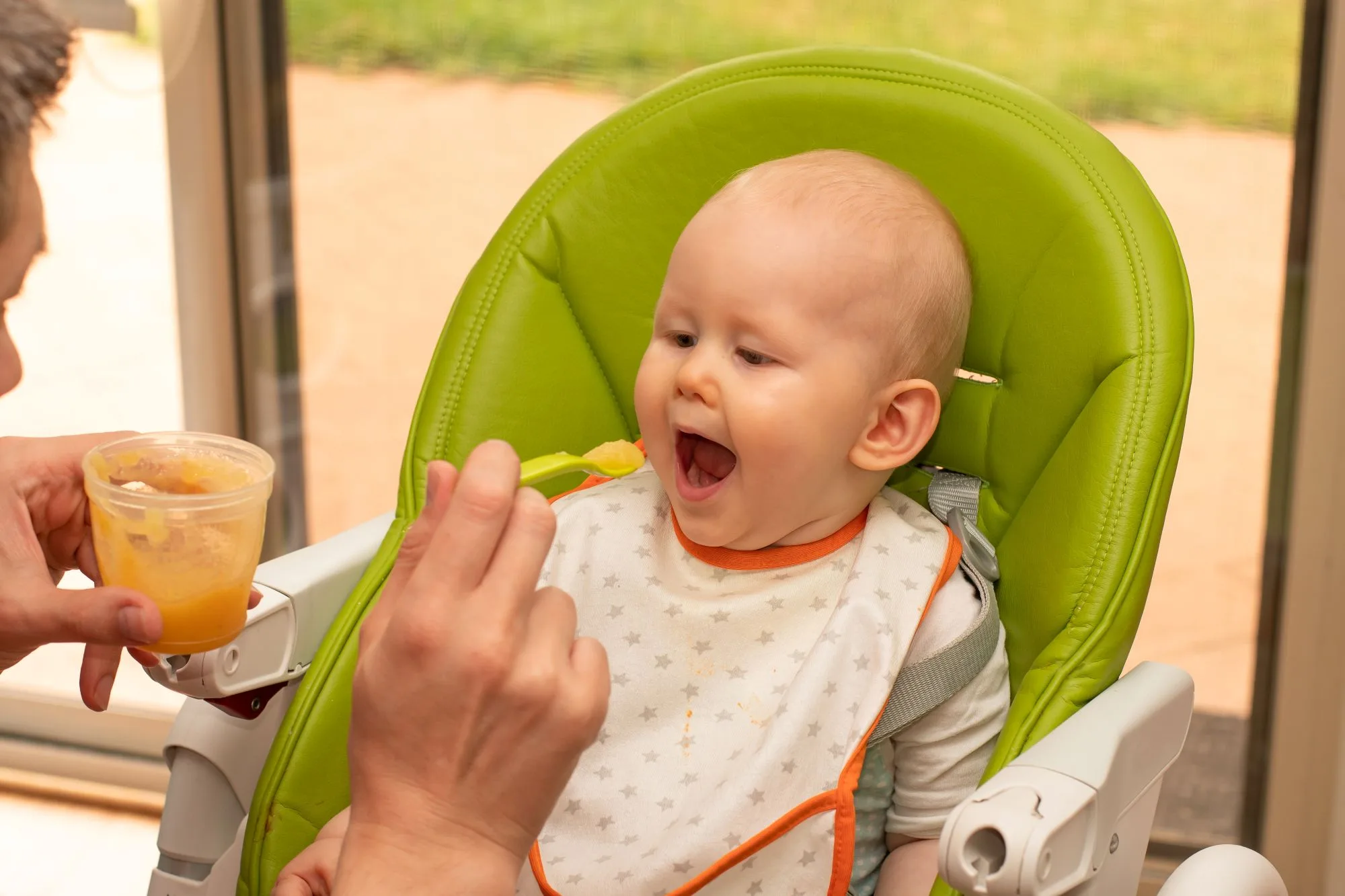
Around 6 months, most babies are ready for solids — but readiness is about cues, not the calendar. Here is exactly how to start, what to offer, and how to keep milk feeds protected.
Starting solids is one of the most exciting — and second-guessed — milestones in the first year. The good news: at around 6 months, most babies show clear readiness signs, and a calm, responsive approach matters far more than the brand of spoon or the perfect puree.
This guide walks you through readiness, first foods, allergens, the milk-vs-food balance, and a simple 4-week starter plan you can follow whether you choose purees, baby-led weaning (BLW), or a mix of both.
When to start solids: the 6-month guideline
Australian and international guidelines (NHMRC, WHO, RCH Melbourne) recommend starting solids at around 6 months — and not before 4 months. By 6 months, breastmilk or formula alone no longer covers your baby's iron and zinc needs, and their gut and oral skills are ready.
4 readiness signs (look for all of them)
- Steady head and trunk control — your baby can sit upright with minimal support.
- Tongue-thrust reflex has faded — food isn't automatically pushed back out.
- Shows interest in food — reaches, leans in, opens mouth when you eat.
- Hand-to-mouth coordination — brings toys (and fingers) to the mouth deliberately.
Age alone is not enough. If readiness signs aren't there at 6 months, wait a week or two — but don't delay past 7 months, as the iron-rich foods window matters.
Purees, baby-led weaning, or both?
There is no single "right" method. Many Australian families do a combination approach: soft finger foods for self-feeding, plus spoon-fed purees for iron-rich foods like fortified cereal and meat.
- Purees: easier to load iron-rich foods, less mess, parent-led pace.
- Baby-led weaning (BLW): baby self-feeds soft strips of food; supports oral motor development and self-regulation. See our full BLW starter guide.
- Combination: the most realistic for most households — and just as safe.
Best first foods at 6 months
Lead with iron-rich foods at every meal. Iron stores from pregnancy run low around 6 months, and milk alone won't replace them.
- Iron-rich: iron-fortified infant cereal, well-cooked minced meat, soft-cooked chicken or fish, lentils, tofu, egg.
- Vegetables: steamed sweet potato, pumpkin, broccoli florets, zucchini, avocado.
- Fruits: ripe banana, soft pear, stewed apple, mango, berries (mashed or thin strips).
- Healthy fats: avocado, full-fat yoghurt, nut butters (thinly spread, not whole nuts).
Avoid: honey (under 12 months), whole nuts, hard raw vegetables, popcorn, whole grapes, salty or processed foods, sugary drinks, cow's milk as a main drink (small amounts in cooking is fine).
Introducing allergens early and often
Australian guidelines (ASCIA) recommend introducing the common allergens before 12 months — and ideally between 6 and 12 months — to reduce the risk of food allergies. Once introduced, keep them in the diet regularly (at least twice a week).
- Egg (well-cooked)
- Peanut (smooth peanut butter, thinned)
- Cow's milk products (yoghurt, cheese)
- Wheat
- Tree nuts (as smooth butters)
- Soy, sesame, fish, shellfish
Introduce one new allergen at a time, ideally in the morning, so you can watch for any reaction. Signs of allergy include hives, swelling, vomiting, or breathing difficulty — seek medical help immediately if these occur.
How much milk does my baby still need?
At 6 months, milk is still the main source of nutrition. Solids are for skill-building and topping up iron, zinc and energy.
- Continue breastmilk on demand, or 600–900 ml formula per day.
- Offer solids after a milk feed in the early weeks — a hungry baby is a frustrated learner.
- Around 8–9 months, the balance gradually shifts and solids start to displace some milk volume.
Gagging vs choking — what's the difference?
Gagging is normal and protective. It looks dramatic — red face, watery eyes, coughing — but baby is moving food forward. Choking is silent — no sound, blue tinge, distress.
Always sit your baby fully upright, never leave them alone with food, and consider a baby first-aid course. Following Red Nose and St John guidelines for choking response gives you confidence at every meal.
Your 4-week starter plan
Week 1: One meal a day
Offer breakfast or lunch, after a milk feed. Start with iron-fortified infant cereal mixed with breastmilk or formula, plus one soft vegetable (sweet potato or avocado).
Week 2: Add a second meal
Introduce lunch and dinner. Add one new food every 2–3 days. Begin introducing the first allergen (well-cooked egg or smooth peanut butter).
Week 3: Build variety and texture
Move from smooth purees to mashed and lumpier textures. Offer soft finger foods (steamed pumpkin strips, banana). Introduce a second allergen.
Week 4: Three meals and family food
By the end of the month, aim for three small meals plus milk feeds. Start sharing modified family meals (no added salt, honey, or hard pieces). Continue rotating allergens at least twice weekly.
Common worries — and what's actually normal
- "They spit everything out." Normal for the first 1–2 weeks. Keep offering — exposure (sometimes 10–15 times) builds acceptance.
- "They eat hardly anything." Normal. Early solids are about learning, not calories. Milk still does the heavy lifting.
- "Their poo has changed." Expected — colour, smell and texture shift with solids. Watch for hard pellets (constipation) and offer water in a cup with meals.
- "They wake more at night." Often unrelated to solids. New nights often reflect developmental leaps or routine changes.
When to talk to your Maternal Health Nurse or GP
- No interest or readiness signs by 7 months.
- Persistent refusal, gagging that doesn't settle, or signs of swallowing difficulty.
- Suspected allergic reaction.
- Faltering weight gain or fewer than 4 wet nappies a day.
The bottom line
Starting solids at 6 months is a slow, messy, beautiful skill — not a performance. Lead with iron-rich foods, introduce allergens early, protect milk feeds, and follow your baby's cues. Some days they'll devour everything; some days they'll wear it. Both are progress.
Related reading: signs your baby is teething
A simple one-week meal and fruit plan for a 6-month-old
A simple one-week meal and fruit plan for a 6-month-old
This flexible plan suits a baby around 6 months who shows all signs of readiness. Begin with one meal after a milk feed; if your baby is already comfortable with solids, offer a second meal. Start with about one or two teaspoons and provide more if they lean forward, open their mouth or reach for food. Stop when they turn away, close their mouth or lose interest.
Use mashed foods, loaded spoons or pieces soft enough to squash between your fingers. Breastmilk or formula remains the main food, and you can offer cooled boiled tap water in an open cup with meals.
Seven-day example
- Day 1: Iron-fortified infant cereal mixed with breastmilk or formula, with mashed banana.
- Day 2: Mashed lentils and pumpkin, followed by soft or mashed pear.
- Day 3: Well-cooked egg mashed with avocado, with soft mango. Introduce egg on its own earlier in the day if it is new.
- Day 4: Well-cooked minced beef with mashed sweet potato, followed by stewed apple.
- Day 5: Plain full-fat yoghurt mixed with iron-fortified cereal and mashed berries. Introduce yoghurt separately first if cow's milk is new.
- Day 6: Soft flaked, boneless fish with mashed potato and broccoli, followed by ripe banana.
- Day 7: Mashed tofu with zucchini, followed by soft pear or mango.
You do not need a different fruit every day. Repeat familiar foods, avoid added salt and sugar, and never serve honey before 12 months. Keep whole nuts, popcorn, whole grapes, hard raw fruit or vegetables, and other choking hazards off the menu. Introduce one new common allergen at a time and continue tolerated allergens regularly.
Speak with your maternal and child health nurse, midwife or GP if your baby was born prematurely, has feeding or growth concerns, eczema or a known allergy, or is not ready for solids by around 7 months. For breathing difficulty, tongue or throat swelling, collapse, or a severe allergic reaction, call Triple Zero (000).