When Do Babies Smile? The Social Smile Milestone Explained
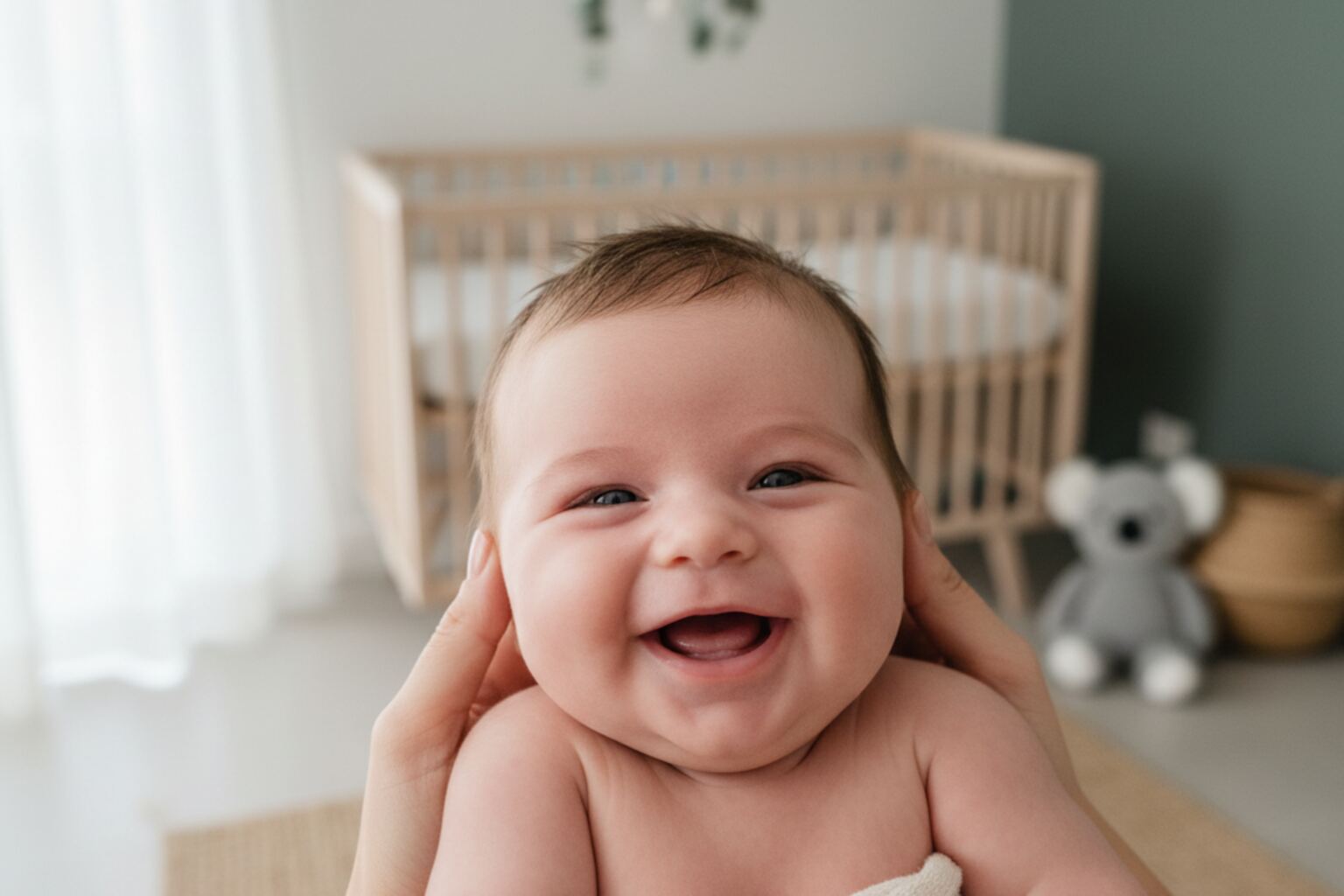
The first real smile typically appears at 6-8 weeks. Learn what a social smile means, how to encourage it and when to chat with your Maternal Health Nurse.
There's nothing quite like that first genuine smile from your little one, is there? It's a moment that melts your heart, affirms your bond, and often feels like the ultimate reward for all those sleepless nights. If you've been eagerly awaiting this milestone, you're in good company. Understanding when and why your baby starts to flash those adorable grins can help you cherish each moment and feel confident in their development.
The Journey to That First Social Smile
Before your baby graces you with a true social smile, you might notice some earlier expressions. These are often reflex smiles, appearing spontaneously, sometimes even while they're sleeping. These early smiles are usually not a response to anything external but are more like involuntary muscle movements. They're sweet, of course, but don't carry the same social weight as the smiles that are just around the corner.
The transition from a reflex smile to a social smile is a beautiful developmental leap. It signifies a growing awareness of their environment and the people in it. Your baby is learning to connect, communicate, and express joy in response to your presence and interactions. This is a crucial step in their social and emotional development, laying the foundation for future communication and relationships.
When to Expect That Heart-Melting Grin
Most babies will start to display their first genuine social smiles around 6 to 8 weeks of age. However, like all developmental milestones, there's a range. Some babies might smile a little earlier, others a little later. It's important to remember that every baby is unique, and they develop at their own pace. What you're looking for is a smile that is clearly in response to something you've done – your voice, your face, a gentle touch, or a playful interaction.
If your baby is approaching or past this timeframe and you haven't seen a social smile, try not to worry just yet. Continue to engage with them, and if you have any concerns, it's always a good idea to mention it to your Maternal Health Nurse at your next check-up. They are there to support you and can offer reassurance or further guidance if needed. You can also explore our free parenting tools for more insights into developmental milestones.
What Exactly is a Social Smile?
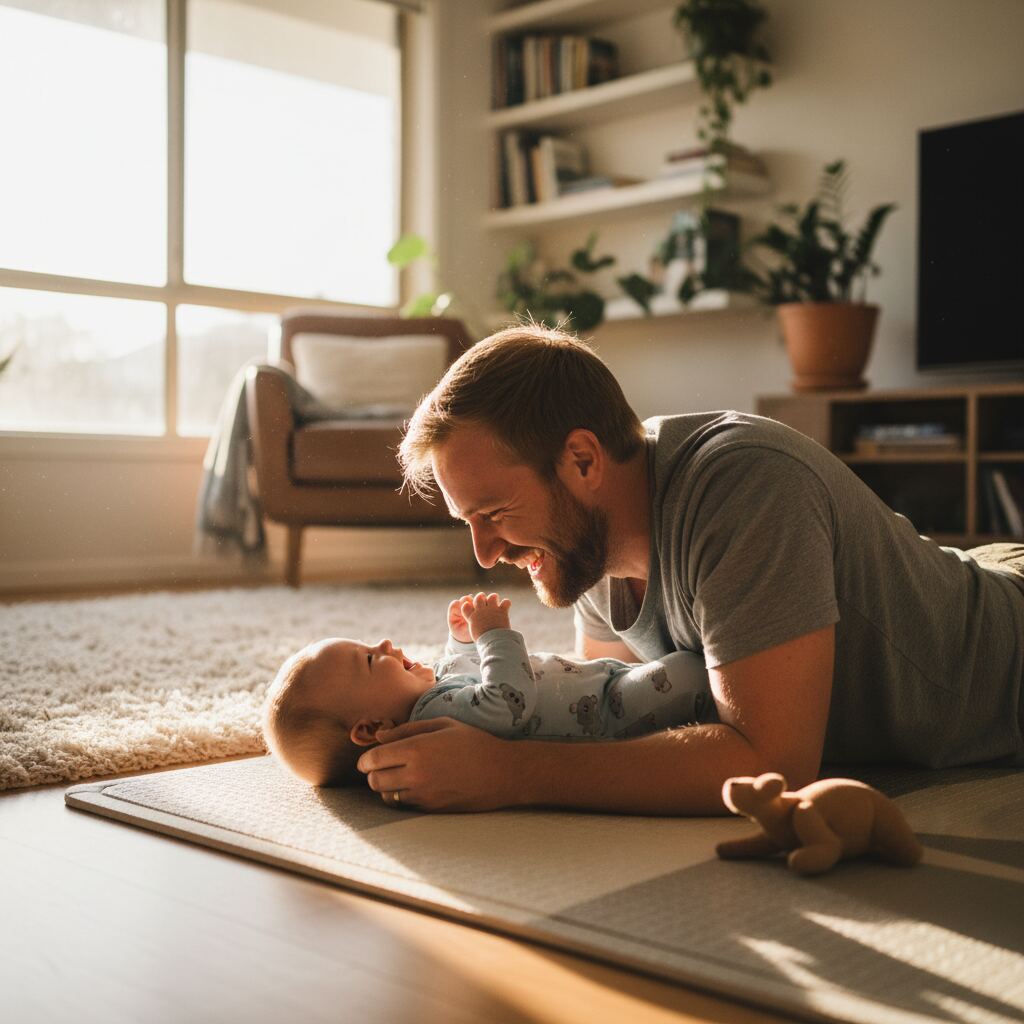
A social smile is more than just a cute facial expression; it's a significant communication tool. It's your baby's way of saying, "I see you, I like what you're doing, and I'm enjoying this interaction!" It's a deliberate, responsive gesture, often accompanied by eye contact and sometimes even little coos or gurgles. This is a huge step in their journey of understanding and connecting with the world around them.
The social smile is a key indicator of healthy social and emotional development. It shows that your baby is beginning to understand cause and effect – that their actions (or your actions) can elicit a positive response. This reciprocal interaction forms the basis of early attachment and bonding, strengthening the connection between you and your little one. It also signals that their vision is developing well enough to recognise faces and that their brain is making the connections needed for social engagement.
"A baby's social smile is truly a magical moment, marking the beginning of their conscious interaction with the world. It shows they are starting to recognise and respond to their caregivers, building those vital early bonds." - Maternal Health Nurse.
The Power of Reciprocal Interaction
Think of the social smile as the start of a beautiful conversation. When your baby smiles at you, and you smile back, you're engaging in what's called a "serve and return" interaction. This back-and-forth communication is incredibly important for their brain development. It helps them learn about social cues, emotional regulation, and the joy of connection. Every time you respond to their smile with a smile, a loving word, or a gentle touch, you're reinforcing these crucial early learning experiences.
These early interactions are not just about smiles; they encompass all forms of communication. From responding to their cries to mimicking their coos, every responsive action you take builds their understanding of how to communicate and how loved and secure they are. For more on understanding your baby's cues, check out our Precious Five resources.
Encouraging Those Adorable Grins
While you can't force a social smile, you can certainly create an environment that encourages your baby to express their joy. The key is consistent, loving interaction. Here are some simple, everyday ways to encourage those beautiful grins:
- Talk and Sing to Them: Your voice is your baby's favourite sound. Talk about what you're doing, read books, or sing lullabies. Make eye contact as you speak.
- Eye Contact: When you're feeding, changing a nappy, or just cuddling, look into your baby's eyes. They are learning to recognise your face and expressions.
- Make Funny Faces: Stick out your tongue, raise your eyebrows, or make silly sounds. Babies are often delighted by exaggerated facial expressions.
- Gentle Touch and Cuddles: Physical affection is vital. Gentle tickles, soft kisses, and plenty of cuddles help your baby feel secure and loved, which can lead to smiles.
- Play Peek-a-Boo: Even at a young age, the element of surprise in peek-a-boo can elicit giggles and smiles.
- Respond to Their Cues: When your baby makes a sound or a small expression, respond to it. This teaches them that their communication is valued and encourages more interaction.
Remember, consistency is key. The more you engage in these loving interactions, the more opportunities your baby will have to practise their social smiling skills. These moments are not just about reaching a milestone; they are about building a strong, loving bond that will last a lifetime.
When to Chat with Your Maternal Health Nurse
As we've mentioned, every baby develops at their own pace, and a slight delay in social smiling isn't usually cause for alarm. However, it's always wise to trust your instincts as a parent. If you have any concerns about your baby's development, especially if they are over 3 months old and not showing any signs of social smiling, it's a good idea to chat with your Maternal Health Nurse or GP. They can assess your baby's overall development and offer tailored advice and support.
Some things that might warrant a discussion include:
- No social smiles by 3 months of age.
- Lack of eye contact or engagement.
- Your baby seems unusually uninterested in interacting with people.
- You notice a significant regression in developmental milestones.
These professionals are there to support you and provide peace of mind. They can help identify any potential concerns early on and guide you to appropriate resources if needed. Don't hesitate to reach out; there are no silly questions when it comes to your baby's health and development. You can also track your baby's development with our dashboard tools.
The journey of parenting is filled with countless precious moments, and that first social smile is undoubtedly one of the most memorable. Cherish these early interactions, knowing that each smile is a sign of your baby's growing connection to you and the world. Keep engaging, keep loving, and enjoy every single one of those heart-melting grins.