Baby Eczema Causes & Treatment | Eczema in Babies and Children
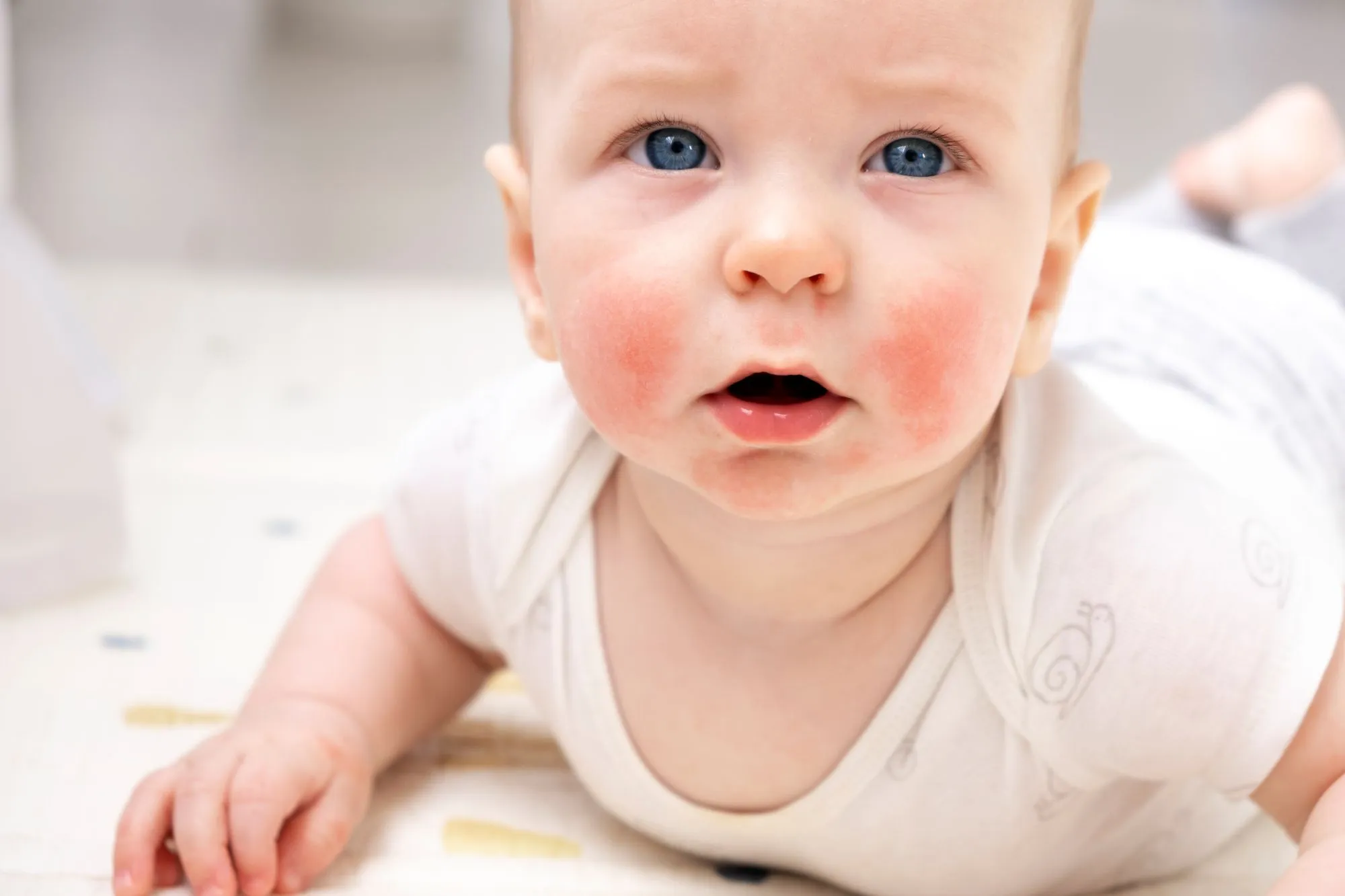
Eczema is a common skin condition affecting many babies and children. This guide explains baby eczema causes, symptoms, triggers, and treatment options. Learn how moisturisers, creams, and gentle skin care routines can help manage eczema flare-ups and support sensitive skin. Discover when to seek advice from a dermatologist and how parents can manage eczema in babies and children.
Seeing a rash appear on your baby’s skin can be worrying for many parents. One of the most common skin conditions affecting babies and children is eczema, also known as atopic dermatitis.
Eczema often appears as a dry, itchy rash that can cause discomfort and irritability. Babies with eczema may scratch frequently, have patches of red or irritated skin, or experience occasional flare-ups.
Although eczema can look concerning, it is a common skin condition that many babies and children experience during early childhood.
Understanding the causes, symptoms, and treatment options for baby eczema can help parents manage their child’s skin more confidently.
If you are unsure about skin concerns or baby health, you can explore helpful resources through the Parenting Hub's free tools, which support parents through many common childhood conditions.
What Is Baby Eczema? (Child with Eczema)
Baby eczema, also called atopic dermatitis, is a skin condition that causes inflammation, dryness, and itching.
Eczema often appears on:
- The cheeks
- The scalp
- The arms and legs
- Behind the knees
- Around the elbows
Babies with eczema may develop dry, itchy patches of skin, sometimes with redness or small blisters.
The condition can vary from mild to more noticeable flare-ups.
Although eczema can affect people of any age, it often begins in infancy and early childhood.
What Causes Eczema in Babies?
The exact cause of eczema is not always clear, but it is believed to involve a combination of genetic and environmental factors.
Eczema is often linked to allergies, sensitive skin, and changes in the skin barrier.
Some common triggers include:
- Food allergies
- Environmental allergens
- Irritants such as soaps or detergents
- Heat or sweating
- Dry skin
Because babies have delicate skin, irritants can sometimes trigger eczema flare-ups.
Children who have a family history of allergy, asthma, or eczema may be more likely to develop eczema.
Common Symptoms of Eczema
The symptoms of eczema can vary depending on the child and the severity of the condition.
Common eczema symptoms include:
- Dry or rough skin
- Red or itchy rash
- Areas of inflamed skin
- Small blisters or cracked skin
- Frequent scratching or rubbing
The itching associated with eczema can sometimes disrupt sleep or cause babies to become fussy.
During a flare, the rash may become more noticeable or irritated.
Where Eczema Appears in Babies and Children
The location of eczema can change as babies grow.
In babies with eczema, the rash often appears on the cheeks or scalp.
As children grow older, eczema may appear in skin folds such as:
- Behind the knees
- Inside the elbows
- Around the neck
- On the wrists or ankles
Because eczema affects sensitive skin, these areas may dry out or become irritated more easily.
Managing Eczema in Babies
Although there’s no cure for eczema, many children improve as they grow older. In fact, many children outgrow eczema.
Managing eczema usually focuses on protecting the skin and reducing flare-ups.
Helpful eczema care strategies include:
- Applying a gentle moisturiser regularly
- Using fragrance-free skincare products
- Avoiding known irritants
- Keeping the skin hydrated
- Bathing with gentle cleansers
A moisturiser or cream helps restore the skin barrier and prevent dryness.
Many healthcare professionals recommend applying moisturiser twice a day, especially after bathing.
Treatment Options for Eczema
In some cases, parents may need additional support to manage eczema symptoms.
Healthcare professionals may recommend eczema treatment options such as:
- Topical creams or ointments
- Anti-inflammatory medications
- Prescription treatments from a dermatologist
Some children may require medicated creams during flare-ups.
A doctor or dermatologist may prescribe topical treatment if eczema becomes severe or persistent.
Always follow professional guidance when using prescribed treatments for your child’s skin.
Bathing and Skin Care for Eczema
Bathing routines can play an important role in eczema skin care.
Parents are often advised to:
- Use lukewarm water when bathing
- Keep baths short
- Apply moisturiser soon after bathing
- Avoid harsh soaps or bubble baths
Gentle skin care routines help protect the skin barrier and reduce dryness.
Because eczema often causes dry skin, consistent skin routine can help prevent flare-ups.
Identifying Triggers for Eczema
Every baby’s eczema has different triggers.
Some parents notice flare-ups after exposure to certain foods, environmental allergens, or skin irritants.
Common triggers may include:
- Certain foods
- Harsh soaps or detergents
- Dust or pollen
- Changes in the weather
- Stress or illness
Keeping track of possible triggers can help parents better manage eczema symptoms.
If food allergies are suspected, parents should consult a healthcare professional before making major dietary changes.
Supporting Your Child’s Comfort
Because eczema can cause itching and irritation, helping babies stay comfortable is important.
Simple strategies include:
- Keeping your baby’s nails short
- Dressing babies in soft clothing
- Maintaining a cool sleep environment
- Using gentle skincare products
When babies feel calm and comfortable, they are less likely to scratch irritated skin.
Some families also find that calming bedtime routines help babies relax. Gentle background sounds from Genie Lullaby may help create a calm sleep environment for babies experiencing itchy skin.
When to See a Doctor
Although eczema is common, some situations require medical advice.
Parents should seek help if:
- The rash becomes severe
- The skin becomes infected
- Eczema interferes with sleep or feeding
- Treatments do not improve symptoms
A health professional or dermatologist can assess the condition and recommend the most appropriate treatment.
Parents can also explore trusted parenting guidance through Parenting Genie, which provides support for common childhood health concerns.
Final Thoughts – Eczema in Babies
Eczema is a common skin condition in babies and children, and while it can cause discomfort, it can usually be managed with gentle skin care and appropriate treatment.
Understanding the causes, symptoms, and triggers of eczema helps parents feel more confident caring for their child’s skin.
Although there is no permanent cure for eczema, many children improve as they grow older and learn to manage flare-ups.
If you need additional guidance, helpful resources include free tools from the Parenting Hub, expert parenting support from Parenting Genie, and calming sleep support from Genie Lullaby.
Related reading: gentle daily care for baby eczema
Related reading: cradle cap causes and removal
Related reading: causes and care for sticky eyes
Related reading: blocked tear ducts in babies
Related reading: newborn acne causes and care
Related reading: causes of a swollen eyelid
Related reading: seborrhoeic dermatitis in babies
Related reading: cold sores in babies
Related reading: febrile seizures and what to do
Related reading: noisy newborn breathing and red flags
Related reading: ringworm symptoms and treatment in babies
Related reading: conjunctivitis symptoms in babies
Related reading: causes of baby ear discharge
Related reading: wheezing and asthma in babies
Related reading: normal newborn peeling skin
Related reading: cellulitis warning signs in babies
Related reading: causes and care for baby warts
Related reading: causes of wheezing in babies
Related reading: contact dermatitis triggers in babies
Related reading: scabies symptoms in babies
Related reading: baby acne causes and care
Related reading: impetigo symptoms in babies
Related reading: swimmer's ear in babies
Related reading: bronchiolitis and RSV symptoms
Related reading: trim your baby's nails safely
Related reading: clean your baby's eyes safely
Related reading: cleaning your baby's ears safely
Related reading: common baby skin conditions