Baby Eczema: Gentle Daily Care for Sensitive Skin
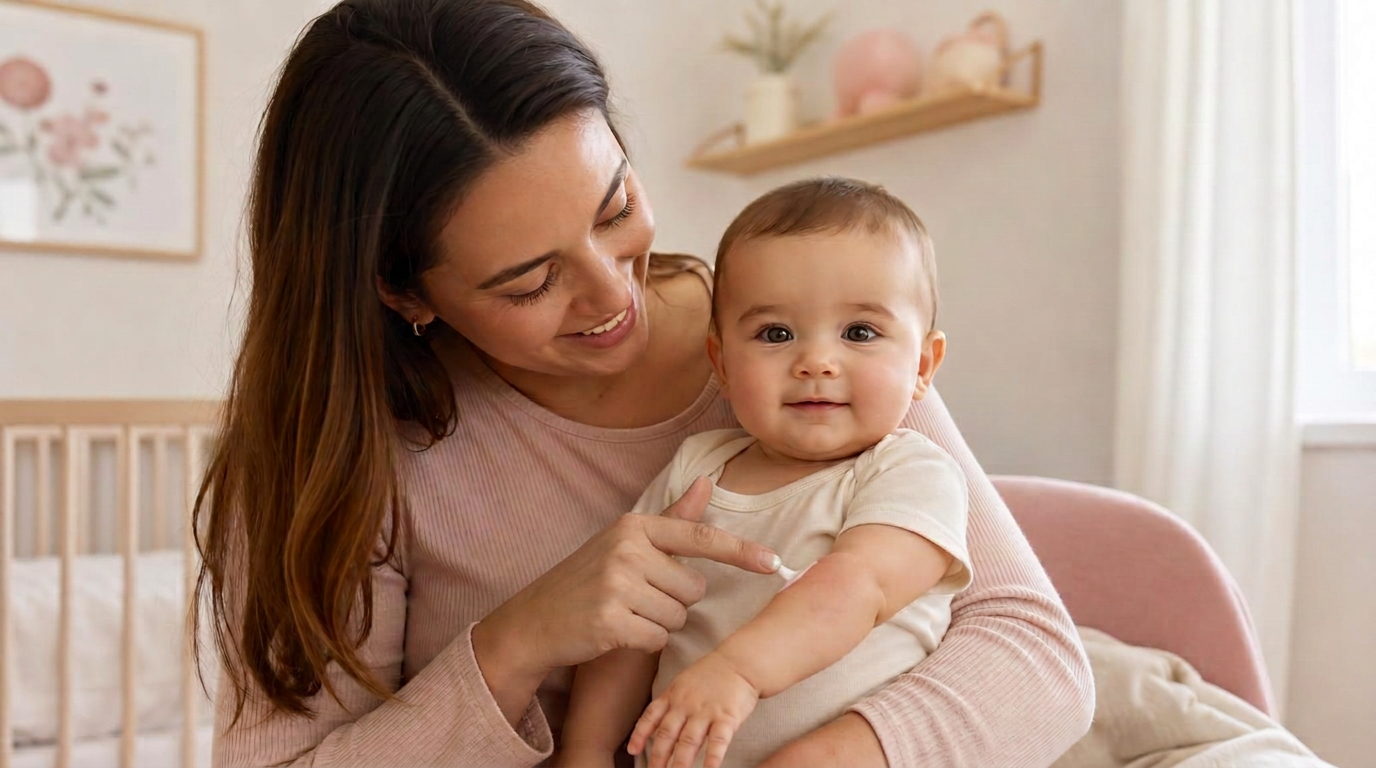
Eczema affects 1 in 3 Aussie babies. A simple, gentle routine can dramatically reduce flare-ups.
Seeing your baby’s delicate skin become red, inflamed, or itchy can be heartbreaking for any parent, but you are certainly not alone in this experience. In Australia, eczema affects approximately one in three infants, making it one of the most common skin conditions seen by GPs and Maternal Child Health Nurses across the country. By adopting a calm, consistent approach to skin hydration and trigger management, you can effectively soothe your little one’s discomfort and restore their skin’s natural protective barrier.
Understanding Atopic Dermatitis in Australian Babies
In Australia, we often use the terms "eczema" and "atopic dermatitis" interchangeably. At its core, eczema is a condition where the skin’s national barrier is "leaky," allowing moisture to escape and irritants to enter more easily. According to the Royal Children’s Hospital (RCH) Melbourne, this often results in the characteristic dry, scaly patches that can appear on a baby’s cheeks, forehead, or in the creases of their elbows and knees. Because their skin barrier is compromised, it reacts more intensely to environmental factors that wouldn’t bother other children.
While the exact cause is often a mix of genetics and environment, the Australian climate—ranging from dry heat to indoor heating in winter—can play a significant role in flare-ups. Understanding your baby's unique triggers is the first step in management. Some babies react to certain fabrics, while others might experience a flare-up during developmental leaps or periods of illness. If you find yourself tracking these changes alongside other milestones, using a baby tracker can help you identify patterns between skin health, diet, and sleep.
The Golden Rule: Moisturise, Moisturise, Moisturise
The single most important step in managing baby eczema is maintaining skin hydration. Health professionals, including those at Red Nose Australia and the RCH, recommend applying a thick, fragrance-free moisturiser (often called an emollient) at least twice a day, even when the skin looks clear. This "maintenance" phase is crucial because it helps "plug the leaks" in the skin barrier, preventing future flare-ups from taking hold.
When selecting a product, look for ointments or thick creams rather than thin lotions, as lotions contain more water and can sometimes dry out the skin further. The best time to apply these is immediately after a bath to lock in the moisture. During these sessions, you might notice that a baby with itchy skin is more restless; if you are also navigating challenges with their rest, our guide on struggling with baby sleep offers additional strategies for settling a sensitive child.
- Creams and Ointments: These are superior to lotions for eczema-prone skin.
- The "Grease is Grand" Approach: Don't be afraid to apply a thick layer; the skin should feel slightly tacky or "greasy" after application.
- Scoop with Care: Use a clean spoon to remove cream from a tub rather than your fingers to avoid introducing bacteria into the container.
- Downwards Strokes: Apply the cream in long, downward strokes following the direction of hair growth to avoid irritating hair follicles.
Bath Time: A Gentle Ritual
For a baby with eczema, bath time is less about getting "dirty" and more about hydrating the skin and washing away allergens. Current Australian guidelines suggest a daily bath or shower in lukewarm water—not hot—for no longer than 5 to 10 minutes. Maternal Child Health Nurses generally advise against using any foaming soaps, bubbles, or scented washes, as these strip the skin of its already limited natural oils.
Instead, use a soap-free wash or a bath oil specifically formulated for sensitive skin. After bathing, gently pat the skin dry with a soft cotton towel—never rub, as friction can trigger histamine release and cause intense itching. Immediately apply your prescribed steroid creams (if needed) and then your thick emollient over the top. This "soak and seal" method is a cornerstone of dermatological care in Australia.
- Keep the water temperature between 32°C and 34°C.
- Avoid using flannels or loofahs which can be abrasive.
- Add a dispersible bath oil to the water to enhance hydration.
- Ensure the bathroom is warm so the baby doesn't catch a chill while you apply their creams.
Managing Environmental Triggers at Home
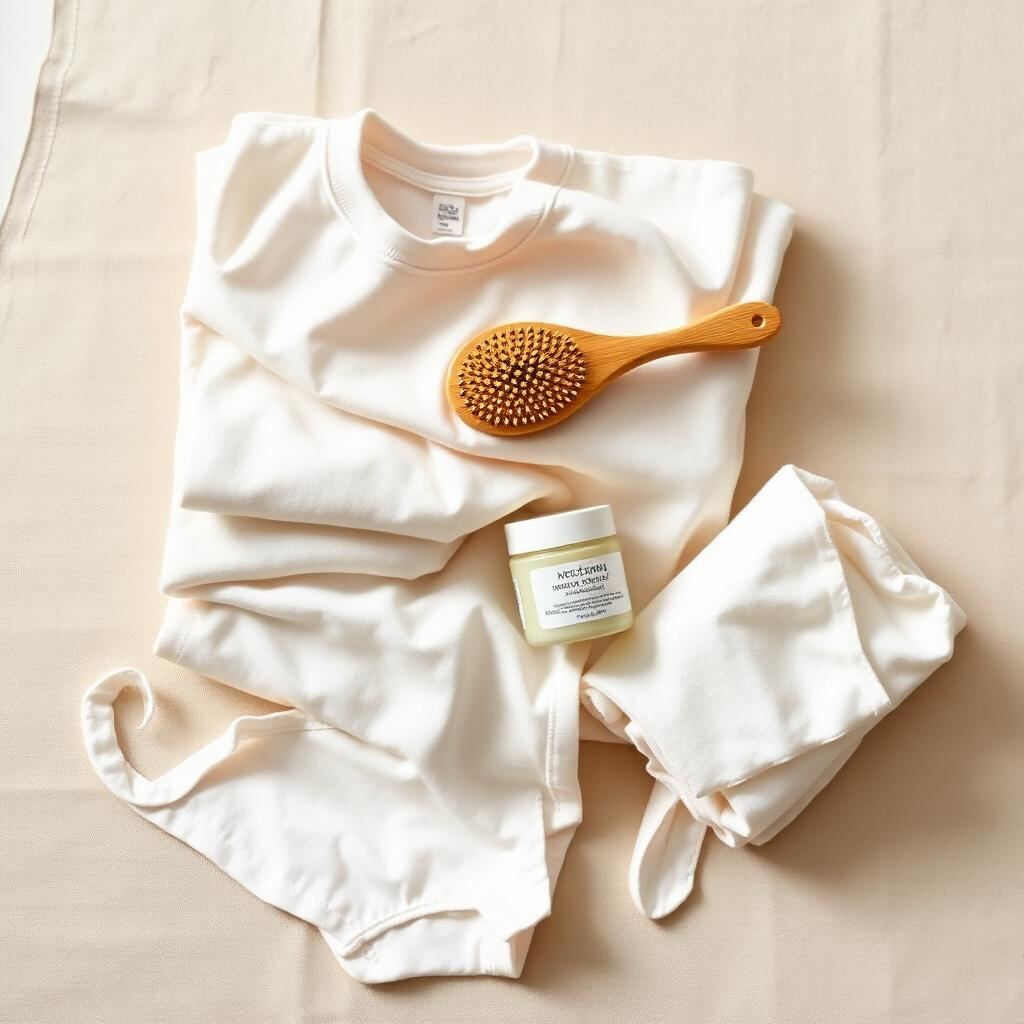
While we cannot change our baby’s genetics, we can control the environment they live in. In Australia, common triggers include house dust mites, pet dander, grass pollens, and certain fabrics. Cotton is king when it comes to eczema; avoid dressing your baby in wool or synthetic fabrics like polyester, which don't allow the skin to breathe and can cause overheating. Overheating is a major cause of itching, so it is vital to dress your baby in light layers that can be easily removed.
Red Nose Australia emphasises the importance of not over-wrapping babies for sleep, especially those with eczema, as a rise in body temperature often leads to a "scratch-itch cycle" at night. If your baby is waking frequently due to itchiness, it can be difficult to tell if the issue is skin-related or a routine adjustment. You might find clarity by taking our baby sleep and settling quiz to see how discomfort might be impacting their rest patterns. Around the home, try to keep the temperature moderate and consider using a vacuum with a HEPA filter to reduce dust mites.
Diet, Breastfeeding, and Skin Health
There is often a perceived link between diet and eczema, but it is important to consult with a paediatrician or allergist before removing foods from your baby's (or your own) diet. The Australian Breastfeeding Association (ABA) notes that breastfeeding provides essential antibodies that support the immune system, but it is rarely the cause of eczema flare-ups. For mums who are breastfeeding and concerned about their baby’s skin, continuing to provide human milk is usually recommended alongside topical skin treatments.
If you are monitoring your baby’s intake or have concerns about how certain foods or formulas might be impacting their overall health, using a baby formula milk intake calculator can help ensure they are receiving the right nutrition while you work with a professional to investigate potential allergies. Remember, most children with eczema do not have a food allergy, and unmanaged restrictive diets can lead to nutritional deficiencies.
When to see a doctor / health professional
While daily home care is vital, medical intervention is often necessary to manage flare-ups. You should consult your GP, a paediatrician, or a Maternal Child Health Nurse if the eczema is not responding to regular moisturising or if it is impacting your baby’s sleep and happiness. Specifically, seek medical advice if the skin looks "weepy," has yellowish crusts, or develops small fluid-filled blisters, as these are signs of a secondary infection (like golden staph), which is common in eczema-prone skin.
In Australia, the standard medical treatment involves topical corticosteroids (steroid creams). Many parents feel "steroid phobia," but when used as directed by a professional, these are safe and essential for calming inflammation. If your baby seems distressed or inconsolable and you aren't sure if it's the eczema or something else, reading about why is my baby crying can help you distinguish between different types of infant distress.
Frequently asked questions
Can I use natural oils like olive or coconut oil on my baby's eczema?
While they seem "natural," some food-based oils like olive oil can actually disrupt the skin barrier further. Australian dermatologists generally recommend medical-grade emollients over kitchen oils, though some refined coconut oils may be tolerated; always patch test first and consult your nurse.
Will my baby grow out of eczema?
Most Australian children—around 80%—will see significant improvement or complete resolution of their eczema by the time they reach primary school age. However, their skin may remain naturally drier than average throughout their lives, requiring ongoing moisturising.
How can I stop my baby from scratching at night?
Keep fingernails trimmed very short and smooth. You can also use "hand-socks" or "scratch mitts," preferably those made of silk or smooth cotton, to prevent the baby from breaking the skin and causing an infection during the night.
Does the sun help or hurt eczema?
While small amounts of Vitamin D are good, heat and sweating are major triggers for eczema flare-ups in the Australian summer. Always use a sensitive-skin sunscreen and seek shade; if the skin becomes hot and red, use a cool compress to soothe it.
Can pets make my baby’s eczema worse?
Yes, pet dander (fur and skin flakes) can be a trigger for some children. If you notice a flare-up after your baby interacts with a pet, try to keep the animal out of the baby’s sleeping area and vacuum frequently to keep dander levels low.
The bottom line
Managing baby eczema is often a marathon, not a sprint, and it requires a great deal of patience and gentleness. By sticking to a strict moisturising routine, avoiding known irritants, and working closely with your healthcare team, you can keep your baby’s skin comfortable and healthy. Remember that you are doing a wonderful job navigating this common Australian childhood challenge, and with time, those flare-ups will become fewer and further between, allowing your baby’s natural, beautiful glow to shine through.
Related reading: caring for baby dry skin
Related reading: baby ear tags and pits