Baby-Led Weaning (BLW): A Complete Guide to Starting Solid Foods
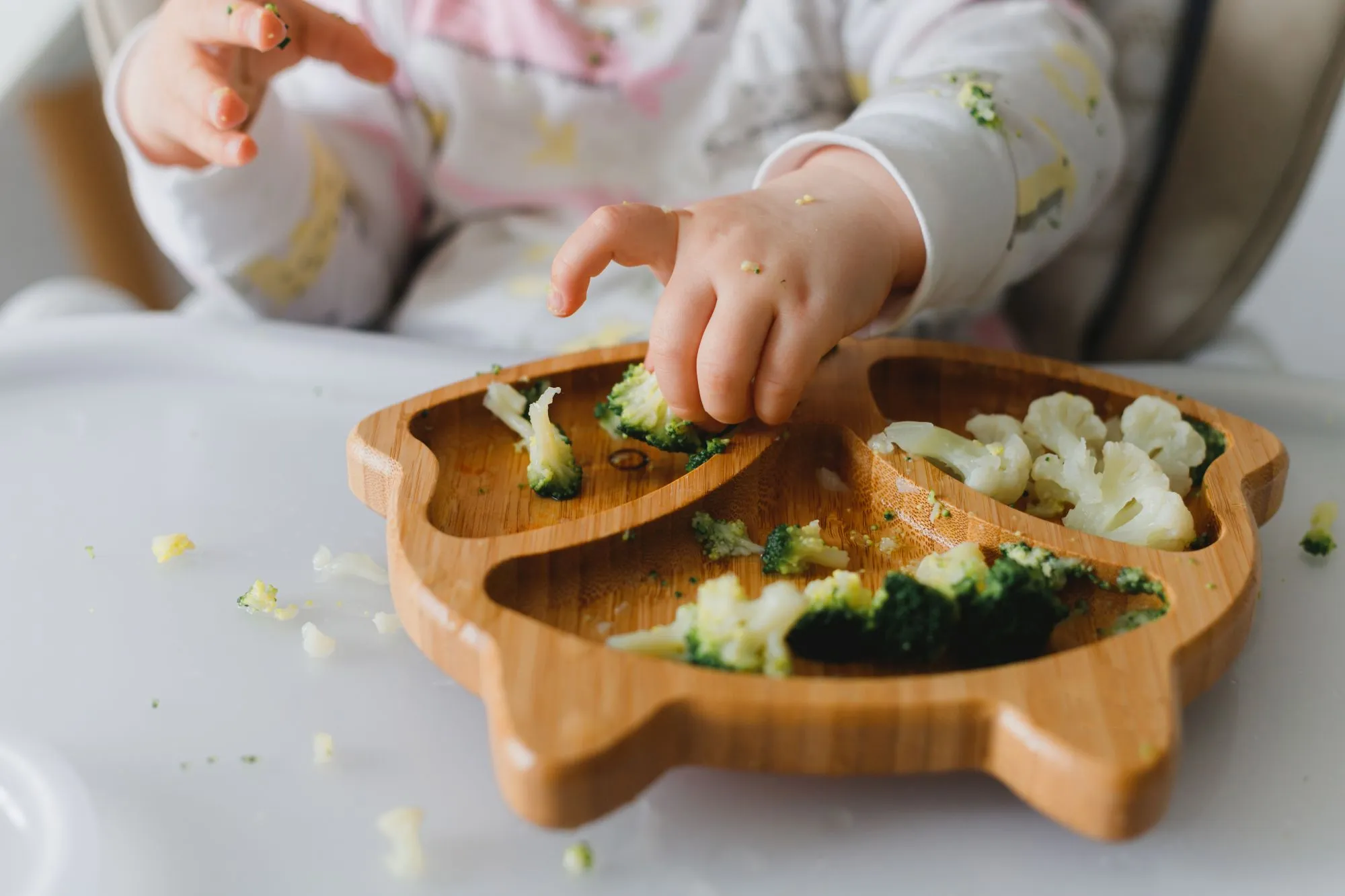
Baby-led weaning (BLW) is a popular way to introduce solid foods that encourages babies to explore food and practise self-feeding. This guide explains when to start baby-led weaning, safe first foods, and how to reduce choking risks. Learn how babies develop feeding skills through finger foods, textures, and family mealtimes while continuing breast milk or formula.
Starting solid food is an exciting milestone in a baby’s development. Many parents explore baby-led weaning (BLW) as an alternative approach to traditional spoon-feeding when introducing solids.
Baby-led weaning encourages babies to explore food independently using finger foods, allowing them to practise self-feeding and experience different tastes and textures at their own pace.
Understanding how baby-led weaning works, when to start, and how to introduce foods safely can help parents feel more confident as their baby begins learning to eat.
If you are preparing to introduce solids, you can also explore helpful resources through the Parenting Hub’s free tools, which support parents with feeding, development, and early milestones.
What Is Baby-Led Weaning?
Baby-led weaning is a feeding approach in which babies feed themselves soft foods rather than being spoon-fed purees.
Rather than offering mashed baby food on a spoon, parents place safe pieces of food on the table or the highchair tray and allow the baby to pick them up and explore them independently.
This method encourages babies to:
- Practise self-feeding
- Explore different textures
- Develop hand-eye coordination
- Participate in family mealtimes
Many families choose BLW because it allows babies to control how much they eat while learning important feeding skills.
When to Start Baby-Led Weaning
Most experts recommend introducing solid foods around 6 months of age, when babies show signs they are ready to begin eating.
Signs your baby may be ready include:
- Sitting upright with support
- Good head and neck control
- Showing interest in food
- Reaching for food during mealtimes
- Ability to bring food to their mouth
At this stage, babies can begin exploring complementary foods alongside their usual breastfeeding or formula feeding.
Milk continues to provide most nutrition during the early months of solid food introduction.
First Foods for Baby-Led Weaning
When starting BLW, parents typically offer soft finger foods that babies can easily grasp and chew.
Some common first foods include:
- Avocado slices
- Soft cooked vegetables such as carrots or sweet potatoes
- Banana or soft fruit
- Toast strips
- Soft cooked pasta
Foods should be soft enough for babies to mash with their gums and easy to hold in their hands.
As babies grow, parents can gradually introduce a wider variety of foods.
Self-Feeding and Baby Development
One of the key benefits of baby-led weaning is that it supports natural development.
When babies feed themselves, they practise important skills such as:
- Hand-eye coordination
- Chewing and swallowing
- Exploring taste and texture
- Developing oral motor skills
Allowing babies to explore food independently can also help them develop healthy relationships with food.
During this stage, babies often enjoy touching, squishing, and examining their food before eating it.
Gagging vs Choking
A common concern with baby-led weaning is the risk of choking.
However, gagging and choking are different.
Gagging is a normal reflex that helps protect babies from choking. Babies learning to eat often gag as they adjust to different textures.
Choking, however, occurs when food blocks the airway.
Parents can reduce the risk of choking by:
- Offering soft foods
- Cutting food into safe shapes
- Avoiding hard or round foods
- Supervising babies during meals
Learning basic infant first aid can also help parents feel more confident during mealtimes.
What Foods to Avoid
Some foods should be avoided during early solid food introduction because they increase the risk of choking.
Foods to avoid include:
- Whole nuts
- Hard raw vegetables
- Whole grapes
- Popcorn
- Hard candy
Sticky foods or those difficult to chew should also be avoided.
Offering appropriately prepared foods helps ensure safe and enjoyable mealtime experiences.
Combining BLW with Spoon-Feeding
Many families choose a combination approach when introducing solids.
Parents may sometimes spoon-feed purees while also offering finger foods for self-feeding.
This flexible approach allows babies to explore food independently while still receiving additional nutrition from spoon-fed meals.
There is no single “correct” method—families often adapt feeding strategies based on their baby’s needs.
Creating Positive Mealtime Experiences - Baby Led Weaning
Mealtimes should be relaxed and enjoyable.
Helpful tips for supporting positive feeding experiences include:
- Sitting together as a family
- Allowing babies time to explore food
- Avoiding pressure to eat
- Offering a variety of foods
Babies learn by observing others, so sharing meals can help them feel more comfortable trying new foods.
Some families also find that calm environments support better feeding experiences. Gentle background sounds from Genie Lullaby may help create a relaxed atmosphere during mealtime.
Nutrition During Baby-Led Weaning
Even after solids are introduced, breastfeeding or infant formula continues to provide most of a baby’s nutrition during the first year.
Parents should aim to include iron-rich foods as part of the baby’s diet once solids begin.
Examples include:
- Soft cooked meat
- Beans or lentils
- Iron-fortified cereals
- Eggs
These foods help support healthy growth and development.
By 8 months and 9 months, many babies start to put food into their mouths independently and become more curious as they baby explore objects and their surroundings during play.
By 12 months, babies typically show stronger coordination and confidence, using their hands to put food into their mouths while actively watching, touching, and learning as they explore the world around them.
When to Seek Advice - Baby-Led Weaning
Most babies adjust well to baby-led weaning, but parents may occasionally have questions about feeding.
Parents may wish to seek advice if:
- Their baby consistently refuses solid food
- They have concerns about choking or gagging
- Their baby struggles to swallow food
A healthcare professional can provide guidance and reassurance during this stage.
Parents can also explore trusted parenting guidance through Parenting Genie, which provides helpful resources for feeding and early development.
Final Thoughts – Baby-Led Weaning
Baby-led weaning is a popular approach for introducing solids that encourages babies to explore food independently.
By offering soft finger foods, allowing babies to practise self-feeding, and creating relaxed mealtime routines, many families find that babies gradually develop confidence and enjoy learning to eat.
Every baby develops feeding skills at their own pace, so patience and encouragement are important.
If you need additional guidance during the transition to solid foods, helpful resources are available through Parenting Hub free tools, expert advice from Parenting Genie, and calming family support from Genie Lullaby.
Related reading: baby-led weaning versus spoon feeding
Related reading: essential first aid for toddlers
Related reading: safe food preparation and choking prevention
Related reading: responding to anaphylaxis in babies
Related reading: essential first aid for babies