Guide to a Healthy Pregnancy | Pregnancy Week by Week till Birth and Baby
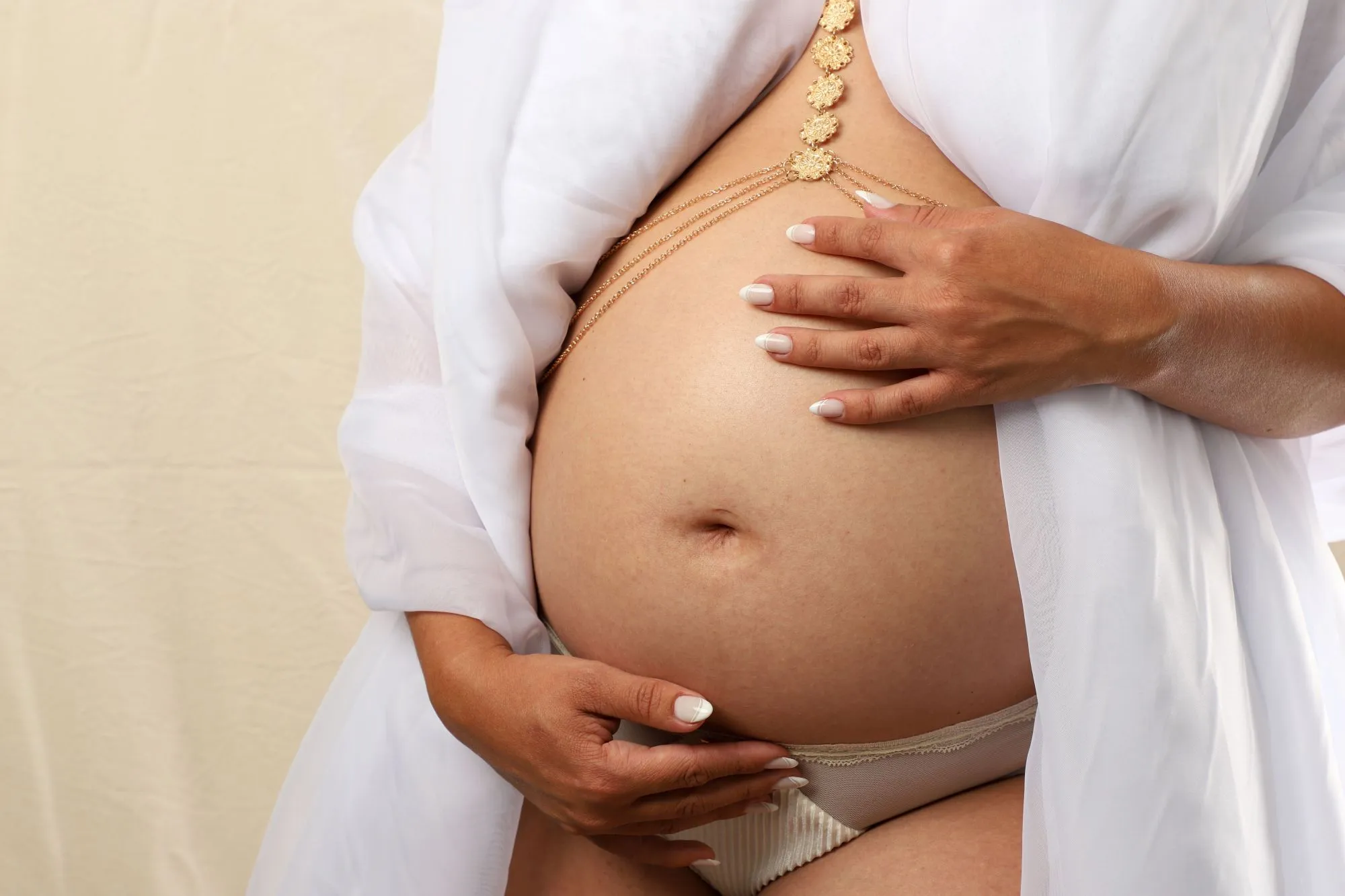
Pregnancy is a time of incredible change for both mother and baby. This healthy pregnancy guide explains what happens during pregnancy week by week, from early pregnancy through the first, second, and third trimesters. Learn about common changes during pregnancy, healthy weight gain, nutrition, exercise, and important health care checks to support a healthy pregnancy and give your baby the best start in life.
Pregnancy is one of the most exciting and life-changing experiences for families. From the moment you discover you are pregnant, many questions arise about your health, nutrition, and the preparation for your baby's arrival. Understanding the stages of pregnancy and how your baby is growing can help expecting parents feel more confident during this journey.
This guide to a healthy pregnancy explains how pregnancy progresses week by week, the changes that occur during each trimester, and practical tips to support the health of both mother and baby. By learning what happens during pregnancy and how to care for their bodies, parents can prepare for birth and welcome their baby with confidence.
Parents can also explore more evidence-based pregnancy and parenting resources through Parenting Hub Australia, which offers practical guidance for pregnancy, newborn babies, and early parenting.
Pregnancy and the Early Weeks
Early pregnancy begins when the fertilised egg implants in the uterus. During the first few weeks, many women may not yet realise they are pregnant, but their bodies are already undergoing important changes. Hormones increase to support the developing baby and prepare the body for pregnancy.
Common early pregnancy symptoms may include fatigue, nausea, breast tenderness, and changes in appetite. While these symptoms vary between individuals, they are usually a normal part of pregnancy. Some women may also experience concerns such as spotting or worry about the risk of miscarriage, especially during the first trimester of pregnancy.
Regular health care and early antenatal visits help ensure a healthy pregnancy. Healthcare professionals monitor the mother's and baby's health and provide guidance on nutrition, supplements, and pregnancy care.
Understanding Pregnancy Week by Week
Pregnancy usually lasts about 40 weeks and is divided into three stages, or trimesters. Each trimester includes important developments as the baby grows and the body prepares for birth.
A pregnancy week-by-week approach helps expecting parents understand how the baby is developing and what changes to expect.
During the early weeks, the baby begins forming essential organs. By around 12 weeks, the baby’s major organs have started developing, and many early pregnancy symptoms begin to improve.
Tracking pregnancy week-by-week can help parents follow their baby’s growth and understand the milestones that occur before childbirth.
First Trimester of Pregnancy
The first trimester of pregnancy covers the first twelve weeks. During this stage, the baby grows rapidly, even though the pregnancy may not yet be visible.
Important developments include:
- Formation of the baby’s brain and spinal cord
- Development of the heart and circulatory system
- Early formation of arms, legs, and facial features
Many women experience fatigue and nausea during early pregnancy. Hormonal changes can affect appetite, energy levels, and mood.
Maintaining a healthy diet, staying hydrated, and getting enough rest can support a healthy pregnancy during the first few weeks. Healthcare professionals may also recommend prenatal vitamins to support fetal development.
Second Trimester of Pregnancy
The second trimester of pregnancy is often considered the most comfortable stage for many expecting parents. By this time, early symptoms such as nausea usually decrease, and energy levels may improve.
During this phase, the baby continues to grow rapidly. Parents may begin to feel the baby moving for the first time, often described as gentle flutters.
Important changes during this stage include:
- Development of the baby’s bones and muscles
- Growth of hair and eyebrows
- Increased movement as the baby becomes stronger
Many parents use this stage to prepare for birth and baby care. Planning the nursery, learning about feeding options, and understanding newborn care are common steps during this time.
Third Trimester of Pregnancy
The third trimester of pregnancy is the final stage before birth. During this period, the baby gains weight and prepares for life outside the womb.
Parents may notice changes such as:
- Increased baby movement
- Shortness of breath as the baby grows
- Difficulty sleeping comfortably
The baby’s lungs and organs continue to mature during this stage. By the end of pregnancy, the baby is usually ready to be born.
Expecting parents often prepare their hospital bag, review their birth plan, and attend antenatal appointments to monitor the baby’s growth and overall health.
Healthy Habits During Pregnancy
Maintaining healthy habits during pregnancy supports both maternal and baby wellbeing. Good nutrition, physical activity, and regular medical care contribute to a healthy pregnancy.
Important lifestyle habits include:
- Eating a balanced, healthy diet with fruits, vegetables, and protein
- Staying hydrated
- Engaging in gentle exercise approved by a healthcare professional
- Attending regular antenatal check-ups
Healthy weight gain during pregnancy also supports the baby’s development. Healthcare professionals can provide guidance about healthy weight gain in pregnancy based on individual health needs.
Pregnancy Health and Medical Support
Regular antenatal appointments help ensure the pregnancy is progressing safely. Healthcare professionals monitor blood pressure, baby growth, and overall maternal health.
Some parents receive support from a midwife, who can provide guidance about pregnancy, birth preparation, and newborn care. Maternal child health nurses play a vital role in baby care from birth to early childhood.
Medical professionals may also recommend tests, ultrasounds, or additional support if there are concerns about the pregnancy's health. These services help monitor the baby’s development and reduce potential risk during pregnancy.
Reliable information from organisations such as the Department of Health can also help parents understand pregnancy care and medical recommendations.
Preparing for Birth and Baby - Pregnancy Guide
As pregnancy progresses, many parents begin preparing for their baby's arrival. Preparing for childbirth and baby care helps families feel ready for the transition to parenthood.
Common preparations include:
- Learning about labour and birth
- Preparing baby essentials
- Planning for feeding after childbirth
- Setting up a safe sleeping space for newborn babies
Parents may also explore parenting resources to learn more about caring for newborn babies. Guides and digital resources available through Parenting Genie provide helpful information for new parents preparing for their baby’s arrival.
Understanding newborn care before birth can make the transition into parenting smoother and less stressful.
Supporting Your Baby’s Best Start in Life
Pregnancy plays an important role in giving babies the best start in life. Healthy nutrition, prenatal care, and emotional wellbeing during pregnancy all contribute to the baby’s development.
During pregnancy, the baby is constantly growing and responding to the environment. Parents who focus on healthy habits and regular healthcare visits can help support their baby’s development.
Learning about newborn care in advance can also prepare parents for the early weeks with their baby. Resources such as the Baby Care Guide on the Parenting Hub provide practical information for caring for newborns upon arrival.
Sleep and Comfort During Pregnancy
Sleep can become more difficult as pregnancy progresses. Changes in body shape, baby movement, and hormonal shifts can affect rest during pregnancy.
Some parents find comfort using supportive pillows or relaxing bedtime routines. Gentle sounds or soothing music may help create a calming environment for rest. Some families explore relaxing sleep sounds such as those available through Genie Lullaby, which provides calming audio designed for families and babies.
Maintaining healthy sleep habits during pregnancy supports overall wellbeing and helps parents prepare for the early weeks after childbirth.
Final Thoughts on Pregnancy Guide
Pregnancy is a unique journey that includes physical, emotional, and lifestyle changes. Understanding how pregnancy progresses week by week helps expectant parents prepare for each stage and support their baby’s development.
By focusing on healthy habits, regular healthcare, and reliable information, parents can confidently navigate pregnancy from the first few weeks to birth.
This Guide to a Healthy Pregnancy provides an overview of what to expect during pregnancy and how to support maternal and baby wellbeing. For additional pregnancy and parenting resources, explore the evidence-based articles and tools available through Parenting Hub Australia, where families can find guidance for pregnancy, newborn babies, and early childhood. Expectant parents can explore baby feeds, including breastfeeding and bottle feeding.
The Raising Children Network has some insights on pregnancy.
Related reading: healthy eating during pregnancy
Related reading: pregnancy symptoms week by week
Related reading: nipple confusion in newborns
Related reading: safe travel during pregnancy
Related reading: medicines during pregnancy
Related reading: healthy sleep during pregnancy
Related reading: recommended vaccinations during pregnancy