Heat Rash in Babies: An Aussie Summer Survival Guide
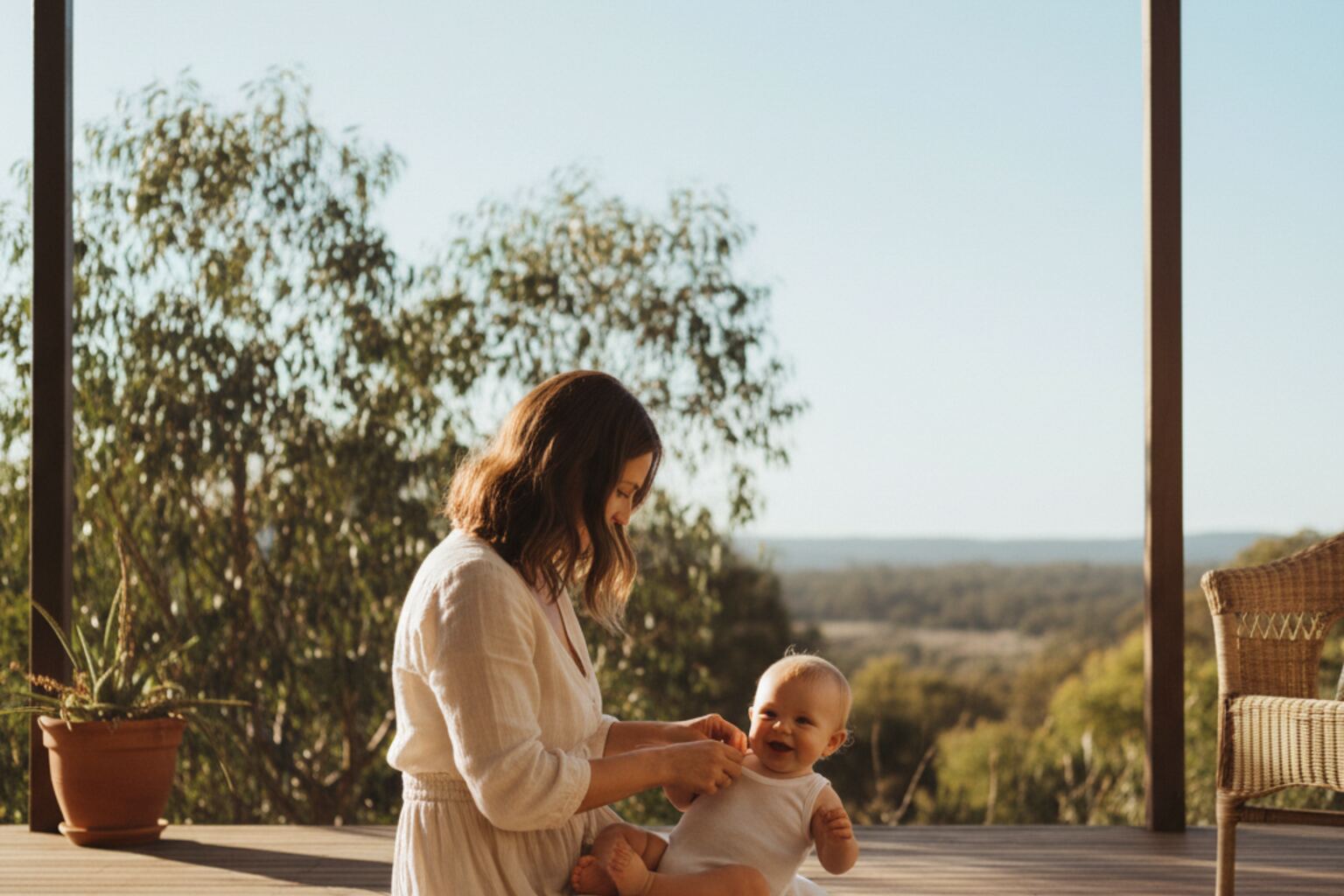
Heat rash in babies is common in Australian summers. Learn how to spot prickly heat, soothe it fast and prevent flare-ups with our Maternal Health Nurse guide.
Oh, the Australian summer! While we love those long, sunny days, they can bring a unique set of challenges for our littlest family members, especially when it comes to their delicate skin. If you've noticed tiny red bumps on your little one, you're not alone. Heat rash, often called prickly heat or miliaria, is a super common visitor during our warmer months. It can look a bit alarming, but rest assured, it's usually harmless and easily managed. Let's explore how to identify it, soothe those itchy spots, and keep your precious bub cool and comfortable all summer long.
Understanding Heat Rash: What It Is and Why It Happens
Heat rash occurs when sweat glands become blocked, trapping perspiration under the skin. Because babies have immature sweat glands that aren't quite as efficient at regulating temperature as ours, they are particularly susceptible. When your little one gets too hot, their glands might struggle to release sweat, leading to those tell-tale bumps.
In Australia, with our often intense heat and humidity, it's no wonder heat rash makes frequent appearances. It's not a sign of poor hygiene or anything you've done wrong; it's simply a common physiological response to being a bit too warm.
The Different Faces of Heat Rash
While often grouped under the umbrella term "heat rash," there are actually a few types, though for most parents, the distinction isn't critical for treatment. The most common type seen in babies is:
- Miliaria Rubra (Prickly Heat): This is the classic heat rash most parents recognise. It presents as small, red, itchy bumps, sometimes with tiny blisters, and can feel like a prickly sensation (hence the name!). It typically appears in skin folds or areas where clothing is tight or sweat accumulates.
- Miliaria Crystallina: This milder form appears as tiny, clear, fluid-filled blisters that look like dewdrops. It's usually not itchy or inflamed and results from blockages closer to the skin's surface.
If you're ever unsure about a rash or your child seems unwell, always consult your GP or Maternal Health Nurse. While heat rash is usually benign, other conditions can sometimes mimic its appearance.
Spotting the Signs: Where to Look for Prickly Heat
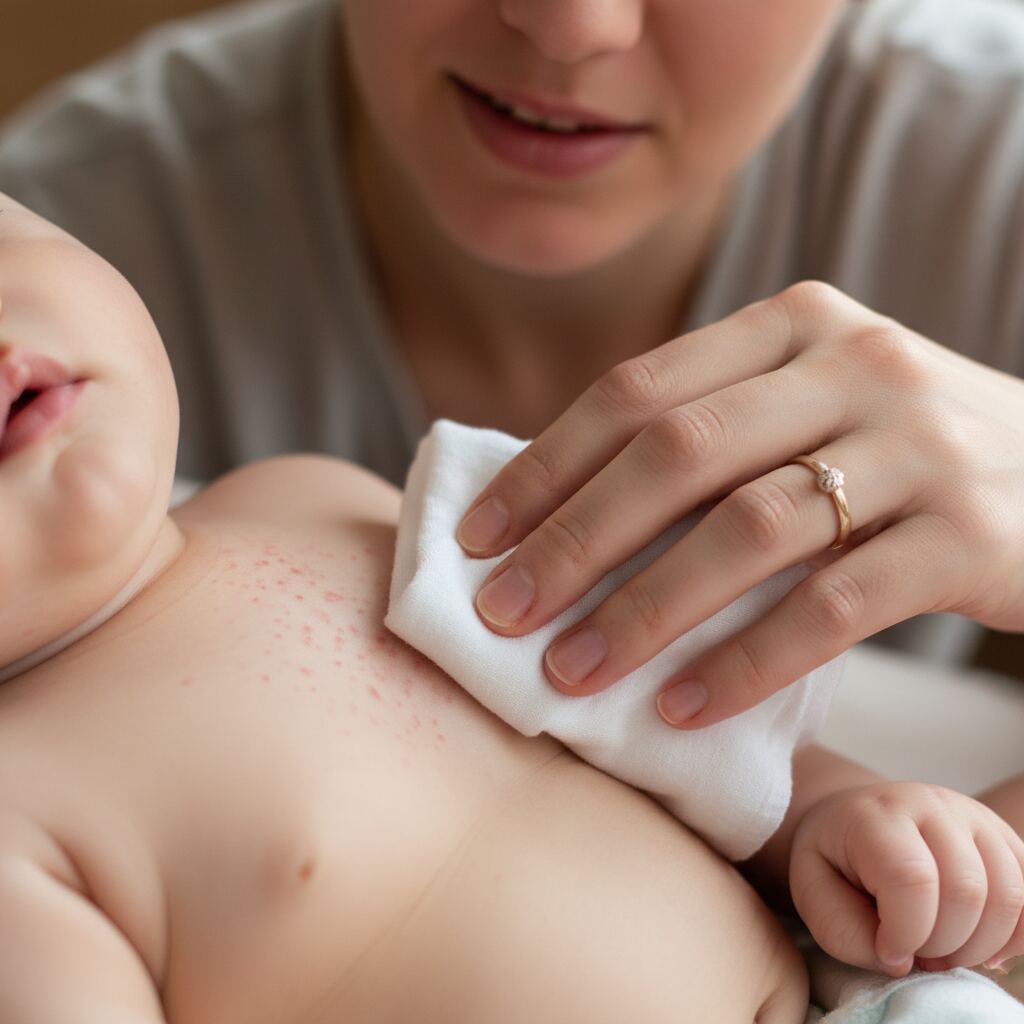
Heat rash has a few favourite hiding spots on a baby's body. Knowing where to look can help you catch it early and start soothing immediately. Generally, you'll find it in areas where sweat can get trapped or where there's friction from clothing or skin-on-skin contact.
- Skin Folds: Think neck creases, armpits, elbow bends, groin, and behind the knees. These warm, moist areas are prime locations.
- Under Clothing: Areas covered by nappies, tight clothing, or hats are also common. The back, chest, and tummy can show signs, especially if your little one has been lying down for extended periods in warm conditions.
- Face and Scalp: Sometimes, particularly in very warm weather or if they've been wearing a hat, you might see tiny bumps along the hairline or on the forehead.
The rash typically looks like small, red bumps, sometimes with a slightly raised appearance. It might feel a bit rough to the touch. Your little one might also seem a bit fussier than usual, especially if the rash is itchy or uncomfortable. Keep an eye on their mood and behaviour as well as their skin.
Soothing Strategies: Quick Relief for Your Little One
Once you've identified heat rash, the good news is that it usually resolves quickly with simple at-home care. The primary goal is to cool your baby down and keep their skin dry and free from irritation. Here's how you can help:
- Cool Down Immediately: Move your baby to a cooler environment. This might mean an air-conditioned room, a shady spot outdoors, or simply opening windows to create a cross-breeze. A fan directed away from their face (to avoid direct drafts) can also help circulate air.
- Lighten Up Their Clothing: Remove any excess layers. Opt for loose-fitting, breathable clothing made from natural fibres like cotton. Less is often more in summer! Sometimes, just a nappy is all they need indoors.
- Cool Bath or Sponge Down: A lukewarm (not cold!) bath or a gentle sponge bath can be incredibly soothing. Don't use soap on the affected areas, just plain water. Pat the skin dry very gently afterwards – avoid rubbing, which can irritate the rash further.
- Keep Skin Dry: After bathing, ensure skin folds are thoroughly but gently dried. You can even let them air dry for a few minutes before putting on a fresh nappy and clothes. Avoid using powders, as they can sometimes block pores further.
- Avoid Lotions and Creams (Initially): Unless advised by a GP or Maternal Health Nurse, it's best to avoid heavy lotions or creams on heat rash. These can trap heat and moisture, worsening the condition. If the skin is very dry or itchy, a very light, non-comedogenic moisturiser might be suggested, but usually, less is more.
- Stay Hydrated: Ensure your baby is well-hydrated. If breastfeeding, offer more frequent feeds. If formula-feeding, continue as normal, but monitor for signs of dehydration if they're particularly hot. You can find helpful information on formula feeding if you need it.
Most cases of heat rash will clear up within a few days once the skin is kept cool and dry. If the rash doesn't improve, seems to be spreading, or your baby develops a fever or other symptoms of illness, it's always best to consult your GP or Maternal Health Nurse.
Prevention is Key: Keeping Bubs Cool All Summer
The best approach to heat rash is to prevent it from happening in the first place! With a few conscious efforts, you can significantly reduce the chances of your little one developing prickly heat, making for a much more comfortable summer for everyone.
- Dress Appropriately: This is paramount. Choose lightweight, loose-fitting clothes made from natural, breathable fabrics like cotton. Avoid synthetic materials that don't allow skin to breathe. On very hot days, a singlet and nappy might be all that's needed indoors.
- Manage Room Temperature: Keep your home as cool as possible. Use air conditioning, fans (indirectly), or open windows to create airflow. Aim for a comfortable temperature, generally between 20-22°C. For guidance on sleep, our baby sleep tools can offer some insights.
- Avoid Over-Bundling: It's easy to worry about babies getting cold, but in summer, it's more likely they'll overheat. Check their temperature by feeling their chest or back of their neck, not their hands or feet. If they feel warm and clammy, they're too hot.
- Regular Nappy Changes: Wet or soiled nappies can trap heat and moisture, contributing to rash in the nappy area. Change nappies frequently, and allow a few minutes of nappy-free time when possible, letting their skin air out.
- Stay Hydrated: Ensure your baby is getting enough fluids. Offer breastfeeds more frequently or ensure they are taking adequate formula feeds.
- Limit Time in Car Seats and Carriers: These can be heat traps. If you must use them, try to keep your baby cool with lightweight clothing, and ensure good airflow. Never leave a baby unattended in a car, even for a moment.
- Choose the Right Nappy: Some nappies are more breathable than others. Experiment to find one that works best for your baby's skin in the heat.
By being mindful of these preventative measures, you can help your baby enjoy the Australian summer without the discomfort of heat rash. For more general parenting support and resources, remember to check out our free parenting tools.
Remember, you're doing an amazing job navigating the joys and challenges of parenthood. Keeping your little one comfortable and healthy is a top priority, and with a bit of knowledge and preparation, you can confidently tackle whatever the Aussie summer throws your way!
Related reading: roseola fever and rash
Related reading: molluscum contagiosum in babies