When Can Babies Drink Water? An Aussie Parent's Guide

Plain water before 6 months can be harmful. Here's exactly when and how to introduce it.
The journey from milk-only feeds to a world of culinary discovery is one of the most exciting milestones of the first year. As your little one begins to eye off your dinner plate, you might find yourself wondering at what point a sip of refreshing water should join their routine. While it seems like the simplest thing in the world, the timing of introducing water is vital for your baby’s delicate nutritional balance and kidney health.
Understanding the 0 to 6-month window
For the first six months of life, Australian health guidelines, including those from the Raising Children Network and the Australian Breastfeeding Association (ABA), are very clear: babies do not need water. Breast milk or infant formula provides all the hydration a healthy baby requires, even in the middle of a searing Australian summer. Breast milk is uniquely designed to change its composition during a feed; the initial "foremilk" is thirst-quenching and high in water content, while the subsequent "hindmilk" is richer and more filling.
Introducing water too early can be more than just unnecessary; it can be physically harmful. A baby’s stomach is tiny—roughly the size of their fist—and filling it with water can displace the nutrient-dense milk they need for growth. Furthermore, excessive water intake in newborns can lead to a dangerous condition called hyponatremia (water intoxication), where the sodium levels in the blood become diluted, potentially leading to seizures. If you are ever worried about your baby's hydration levels during a heatwave, you can use our baby tracker to monitor their wet nappies and feeding frequency.
- Newborns get 100% of their hydration from milk.
- Giving water under 6 months can interfere with the body's ability to absorb nutrients.
- Full-term, healthy infants do not need extra water in hot weather; they simply need more frequent breast or bottle feeds.
Introducing water at six months
Once your baby reaches the six-month mark and begins their adventure with solid foods, you can start offering small amounts of water. At this stage, water isn't about hydration as much as it is about learning a new skill. Offering a few sips of water from a cup helps your baby learn how to swallow a different consistency and prepares them for the transition away from the bottle or breast later in toyhood.
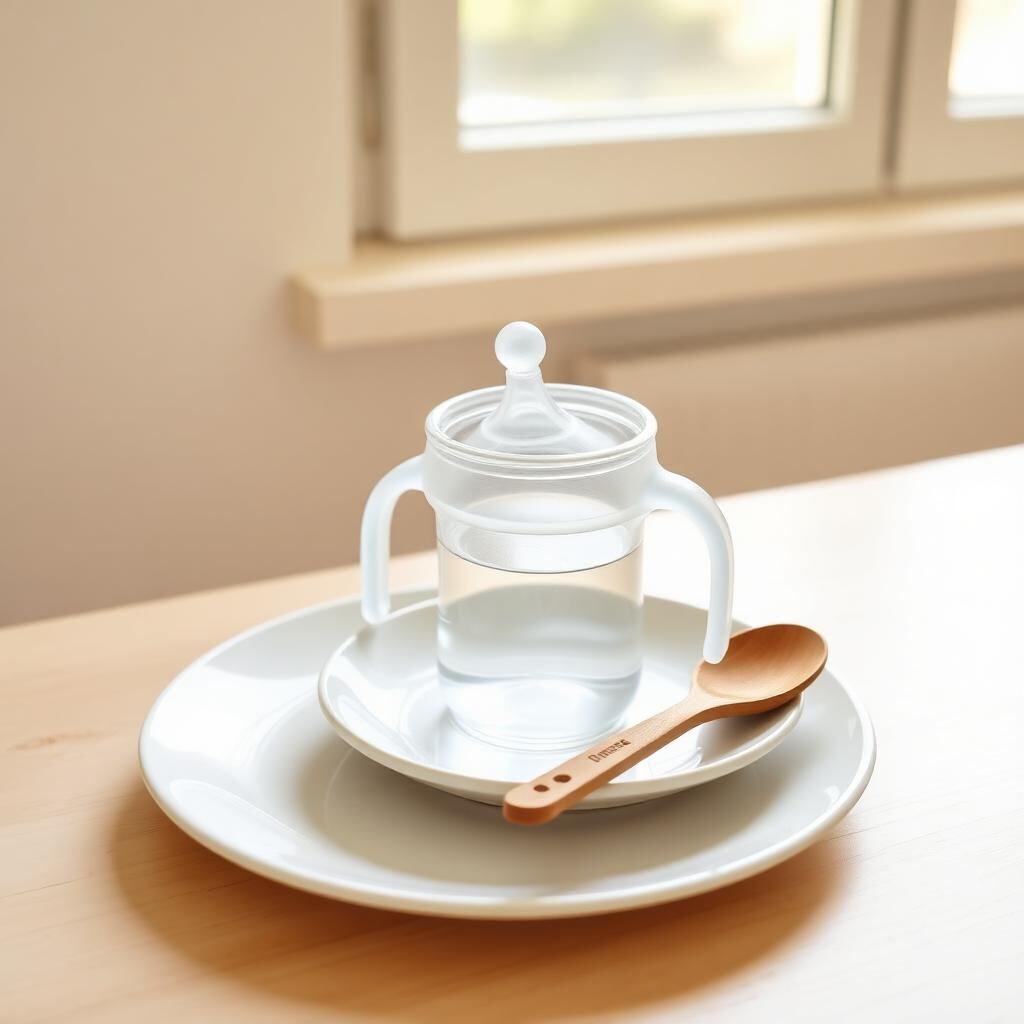
When you sit your baby in their highchair for a meal, place a small sippy cup or an open training cup on the tray. This encourages them to explore the vessel and understand that water accompanies food. Because their primary source of nutrition is still milk, they only need about 60–120ml of water per day at this age. If you are currently juggling milk amounts and starting solids, you might find our baby formula milk intake calculator helpful for maintaining the right balance.
Choosing the right cup and water type
In Australia, most tap water is safe and contains fluoride, which is beneficial for developing teeth. However, for babies under 12 months, the National Health and Medical Research Council (NHMRC) recommends that tap water should be boiled and then cooled to room temperature before being offered. This ensures that any potential pathogens are eliminated while your baby's immune system is still maturing. After 12 months, cooled boiled water is no longer necessary, and they can drink straight from the tap.
The type of cup you choose can also impact their oral development. While many parents reach for a non-spill sippy cup, paediatric dentists often recommend open cups or straw cups. These encourage "mature swallowing" patterns and help prevent the liquid from pooling around the front teeth, which can contribute to early childhood caries. Learning to use a cup is a messy process, but it is an essential part of their sensory development. If the transition to solids and water is disrupting your usual schedule, check out our guide on newborn routine and baby schedules for tips on integrating new habits.
- Use a small, weighted open cup or a straw cup.
- Offer water only at mealtimes to start with.
- Boil and cool tap water until your baby reaches 12 months of age.
- Avoid bottled water if possible, as it may contain mineral levels that are too high for tiny kidneys or lack essential fluoride.
 Babies Drink Water? An Aussie Parent's Guide" loading="lazy" width="1024" height="1024" />
Hydration in the Australian climate
Living in Australia means we are often faced with extreme heat. It is a common concern for parents that their baby might become dehydrated when the mercury rises. For babies under six months, the Australian Breastfeeding Association suggests offering the breast more frequently. If your baby is formula-fed, you can offer smaller, more frequent bottles, but do not satisfy their thirst with plain water or over-dilute their formula. Over-diluting formula is particularly dangerous as it prevents the baby from getting the calories they need for brain development.
For babies over six months, you can be a bit more liberal with water during a heatwave, but milk should still remain the priority. Watch for signs of dehydration, such as fewer than six wet nappies in 24 hours, a sunken fontanelle (the soft spot on the head), dark yellow urine, or a dry mouth. If you are struggling with settle-down times during hot nights, our how to get your baby to sleep at night article offers cooling strategies for the nursery.
When to see a doctor / health professional
While most babies transition to water seamlessly, there are times when you should seek professional advice. If your baby refuses all fluids, including milk, or shows signs of lethargy and dehydration, contact your Maternal Child Health Nurse or your GP immediately. In Queensland, you can also call 13 HEALTH for 24-hour advice. Special care should be taken if your baby has a fever, vomiting, or diarrhoea, as they can lose fluids very quickly. A health professional may recommend an oral rehydration solution (like Gastrolyte or Hydralyte) rather than plain water to help restore electrolyte balance.
Frequently asked questions
Can I give my 4-month-old water if it's over 40 degrees?
No, you should not give water to a 4-month-old even in extreme heat. Instead, offer more frequent breastfeeds or small, frequent formula feeds to ensure they stay hydrated through milk, as recommended by Red Nose Australia and other health authorities.
Is sparkling or mineral water okay for babies?
It is best to avoid sparkling or mineral water for infants and toddlers. The carbonation can cause gas and discomfort in their small tummies, and mineral water often contains high levels of sodium and other minerals that are difficult for their kidneys to process.
When can my baby stop drinking boiled water?
In Australia, once your baby reaches 12 months of age, their immune system and kidneys are typically robust enough to handle plain, unboiled tap water. Until then, continue to boil and cool their drinking water to ensure it is sterile.
Can I give my baby juice instead of water?
Health professionals recommend avoiding fruit juice for babies under 12 months. Juice is high in sugar and acidity, which can lead to tooth decay and a preference for sweet drinks; plain water and milk are the only drinks your baby needs.
My baby hates water, what should I do?
It is very common for babies to play with water or spit it out initially. Keep offering a few sips at each mealtime without pressure; eventually, they will become accustomed to the neutral taste and the sensation of drinking from a cup.
The bottom line
Patience is the golden rule when it comes to any new stage of feeding. By waiting until the six-month mark to introduce water and prioritising breast milk or formula for the first year, you are giving your baby’s kidneys and digestive system the best start possible. Remember that every baby is an individual—some will take to their sippy cup immediately, while others will prefer to wear most of the water for the first few weeks. Stay consistent, keep it calm, and trust that your little one will master this new skill in their own time with your gentle guidance.