Introducing Solids | When to Start Solid Foods
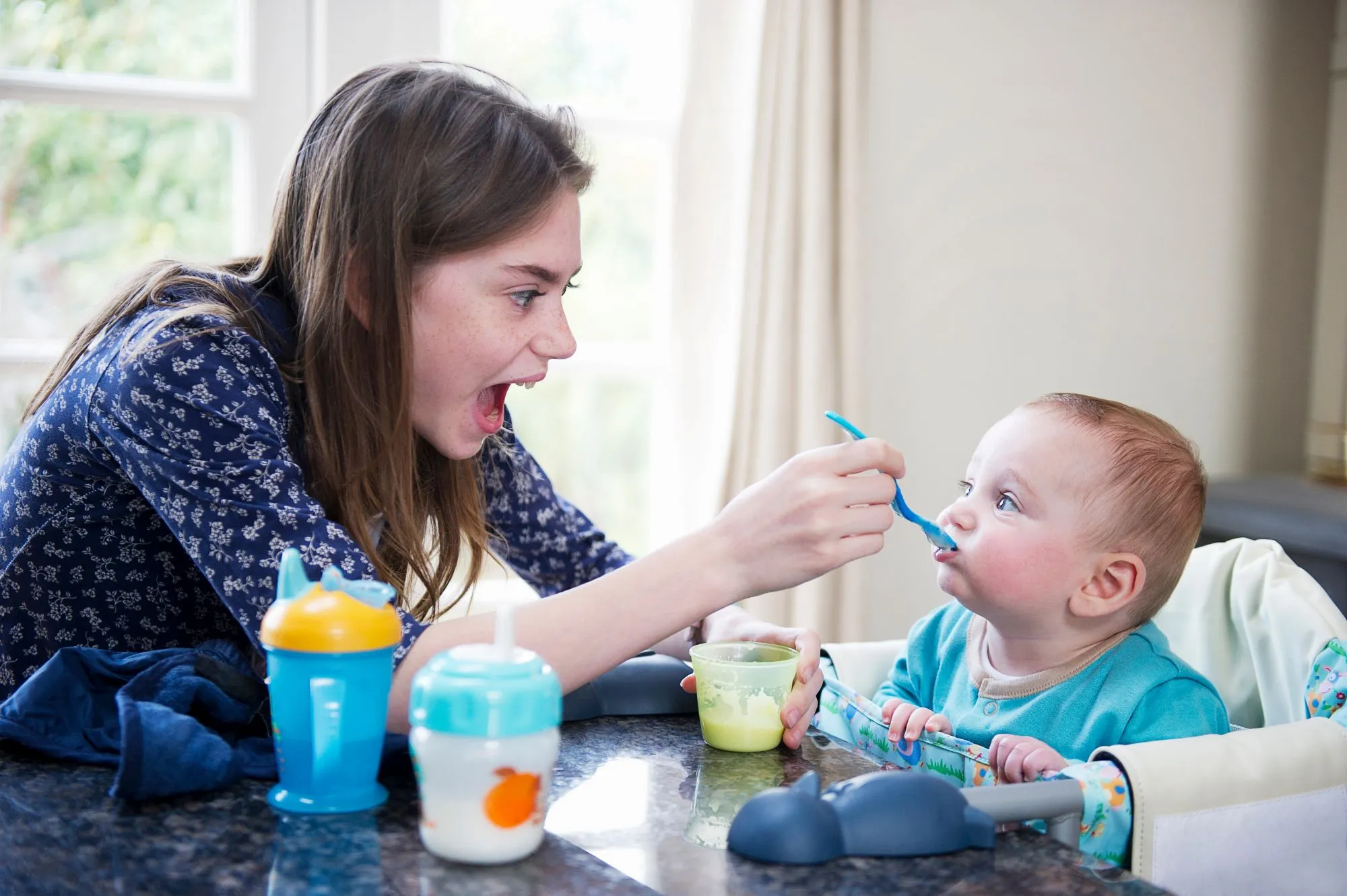
Introducing solids is an important milestone in a baby’s development. This guide explains when to start solid foods, signs your baby is ready, and how to introduce baby food safely. Learn about first foods, purees, finger foods, and how breast milk or infant formula continues to support nutrition while babies learn to eat.
Introducing solid foods is an exciting milestone for both babies and parents. Many families wonder when their baby is ready to start solids and how to safely introduce baby food alongside milk feeds.
During the early months of life, babies receive all the nutrition they need from breast milk or infant formula. However, as babies grow and develop, they gradually become ready to explore new tastes and textures.
Understanding when to start solids, recognising signs that your baby is ready, and knowing how to introduce new foods can help make this stage enjoyable and stress-free.
Parents can also find helpful guidance in the Parenting Hub's free tools, which provide practical advice on feeding, development, and baby milestones.
When Should Babies Start Solid Foods?
Most health organisations recommend introducing solid food around 6 months of age, not 4 months or 7 months.
At this stage, babies are developmentally ready to begin learning to eat alongside their usual milk feeds.
Before 6 months old, babies typically get all the nutrition they need from breastfeeding or infant formula (milk or formula). Milk continues to remain an important part of a baby’s diet even after solids are introduced.
Around 6 months of age, babies usually begin showing developmental signs that indicate they are ready to try their first foods.
Some babies may show interest slightly earlier, but it is generally recommended to wait until around six months before regularly introducing solid foods.
Signs Your Baby Is Ready for Solids
Not all babies become ready for solids at exactly the same time. Instead of focusing only on age, parents can watch for developmental signs that their baby is ready for solid foods.
Common signs include:
- Good head and neck control
- Ability to sit upright with support
- Showing interest in food during family meals
- Opening their mouth when food approaches
- Losing the tongue-thrust reflex that pushes food out of the mouth
When these signs appear, it may indicate that your baby is ready to start solids.
First Foods for Babies - Introducing Solids
When introducing solids, many parents begin with smooth purees or very soft foods.
Some common first foods include:
- Pureed vegetables such as pumpkin, sweet potato, or carrot
- Mashed fruits such as banana or avocado
- Soft grains such as baby cereal
- Pureed lentils or beans
These foods are easy for babies to swallow as they learn to eat.
As babies become more confident, parents can gradually introduce a wider range of textures and foods.
How to Introduce Solid Foods
Starting solids should be a gradual and enjoyable process.
Parents can begin by offering small amounts of food once per day while continuing regular milk feeds.
Helpful tips when starting solid foods include:
- Offer food after a milk feed
- Start with small spoonfuls
- Allow babies time to explore the food
- Introduce one new food at a time
Babies may need to try a food several times before accepting it. This is a normal part of the learning process.
Over time, babies begin to recognise flavours and develop their own food preferences.
Finger Foods and Self-Feeding - Introducing Solids
As babies grow, they gradually develop better hand coordination and may begin exploring finger foods.
Soft finger foods may include:
- Small pieces of soft fruit
- Cooked vegetables
- Soft pasta
- Pieces of toast
These foods help babies practise chewing and develop fine motor skills.
Allowing babies to explore food with their hands also supports learning to eat independently. You can help your baby learn to eat solid foods by offering soft foods like broccoli.
Milk Feeds and Solid Foods
Even after starting solids, breast milk or infant formula continues to provide essential nutrition.
During the first year, milk remains the primary source of nutrients while babies gradually increase their intake of solid foods.
Many babies continue to breastfeed or drink formula while learning to eat new foods.
Over time, solids begin to make up a larger part of the baby’s diet.
Introducing New Foods Safely
When introducing new foods, it can be helpful to offer a wide variety of flavours and textures.
This helps babies develop healthy eating habits and explore different tastes.
Parents are often advised to introduce foods such as:
- Vegetables
- Fruits
- Grains
- Proteins
Introducing a variety of foods early can also help reduce the risk of food allergies.
If a baby shows signs of an allergic reaction, parents should seek advice from a healthcare professional.
Supporting Positive Mealtimes
Mealtimes should be relaxed and enjoyable for babies.
Babies learn a lot about eating by observing their families. Sitting together during meals can encourage babies to try new foods.
Helpful mealtime tips include:
- Keeping mealtimes calm and positive
- Allowing babies to explore food at their own pace
- Avoiding pressure to finish meals
Creating a positive feeding environment helps babies build healthy relationships with food.
Some families also find that gentle background music or calming sounds from Genie Lullaby can help create a relaxed atmosphere during meals.
When to Seek Advice - Introducing Solids
While most babies adjust well to solids, some parents may have concerns about feeding.
Parents may wish to seek advice if:
- Their baby refuses solids consistently
- Their baby struggles to swallow food
- There are concerns about food allergies
- Growth or feeding patterns seem unusual
Healthcare professionals can provide guidance and reassurance during this stage.
Parents can also explore feeding support and parenting guidance through Parenting Genie, which offers helpful resources for infant feeding and development.
Final Thoughts – Introducing Solids
Starting solids is an exciting step in your baby’s development. Around 6 months of age, many babies begin showing signs that they are ready to try their first solid foods.
Starting with simple purees and gradually introducing new textures allows babies to explore food safely while still receiving essential nutrition from breast milk or infant formula.
With patience, curiosity, and gentle guidance, babies gradually develop the skills needed for eating independently.
If you need extra support during this stage, helpful resources include free tools from the Parenting Hub, expert advice from Parenting Genie, and calming family support from Genie Lullaby.
When an 11-Month-Old Struggles With Solid Food
When an 11-Month-Old Struggles With Solid Food
Eating is a learned skill, and progress varies. At 11 months, some babies eat enthusiastically while others manage only small amounts. Teething, illness, tiredness, constipation, unfamiliar textures or filling up on milk shortly before meals can temporarily reduce interest.
Practical ways to help
- Offer three small meals each day, without expecting a set amount to be eaten. Continue breastfeeds responsively or offer infant formula as usual.
- Choose a time when your baby is alert and comfortably hungry. If they have just had a full milk feed, allow some time before offering food.
- Provide soft finger foods alongside mashed, minced or lumpy foods. Suitable options include ripe avocado or pear, soft-cooked vegetables, shredded tender meat, flaked fish with bones removed, omelette strips, toast fingers and soft pasta.
- Include iron-rich foods regularly, such as meat, fish, egg, legumes, tofu or iron-fortified infant cereal.
- Sit your baby upright and supervise closely. Let them touch, squash and self-feed, and eat together when possible.
- Start with small portions and calmly offer rejected foods again on another day. Avoid pressure, force-feeding, tricking or repeatedly wiping their face during the meal.
Follow your baby's cues: opening their mouth or reaching can signal interest, while turning away, closing their mouth or dropping food may mean they need a pause or are finished. Gagging can be noisy and is a common protective response while learning; choking may be silent and requires immediate action.
When to seek support
Contact your maternal and child health nurse, midwife or GP if your baby persistently refuses solids, accepts only smooth puree, coughs or gags frequently during meals, seems distressed or in pain, has very long meals, vomits repeatedly, or you are concerned about hydration, nutrition or growth. A feeding assessment may involve a speech pathologist, dietitian or paediatrician.
Call emergency services on 000 if your baby cannot breathe, cry or cough effectively, turns blue, becomes limp, or has signs of a severe allergic reaction such as breathing difficulty or swelling of the tongue or throat.
Related reading: first foods checklist for babies