Introducing Solids at 6 Months: First Foods Checklist (Australia)
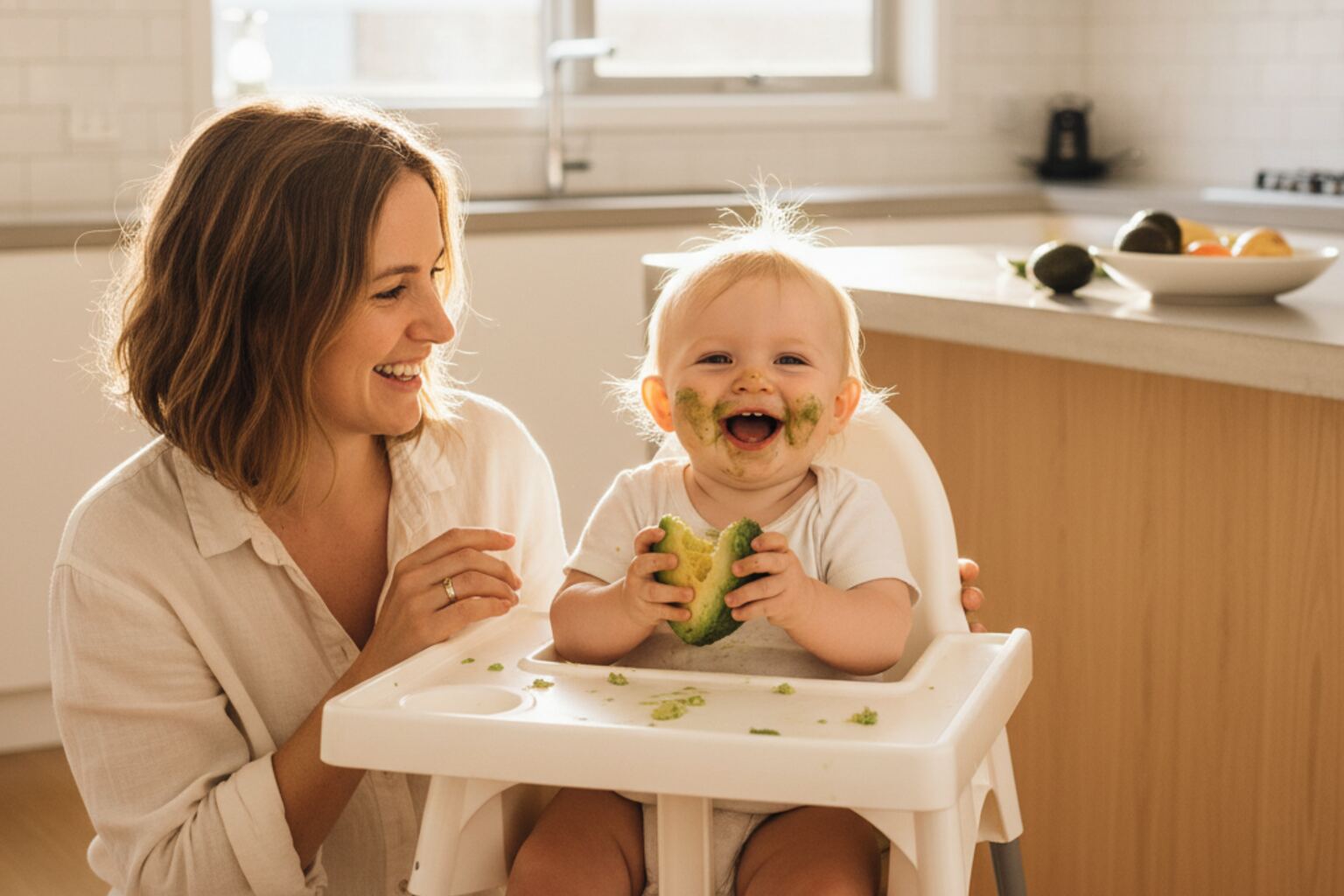
Starting solids at 6 months? Here's the Australian first-foods checklist, signs of readiness and allergen-introduction guidance from your Maternal Health Nurse.
Welcome, lovely parent! The journey of introducing solids to your little one is such an exciting milestone, often filled with a mix of anticipation and a few 'what ifs'. You're doing a wonderful job navigating this new chapter, and we're here to help make this transition as smooth and joyful as possible. In Australia, the general recommendation is to start solids around six months, but it's always about watching your individual bub for those readiness cues. Let's dive into everything you need to know about starting solids, Aussie-style!
When to Start: Signs of Readiness
While six months is the guideline, it's crucial to remember that every child is unique. Your Maternal Health Nurse will tell you to look for a combination of developmental signs, not just age. These signs indicate that your little one's digestive system and oral motor skills are ready to handle something other than milk.
- Good Head and Neck Control: Your bub should be able to sit upright with good head and neck control, either on your lap or in a high chair. This is vital for safe swallowing and preventing choking.
- Loss of Tongue-Thrust Reflex: This reflex helps them push foreign objects out of their mouth. When it diminishes, they can keep food in their mouth and swallow it.
- Showing Interest in Food: Do they watch you eat, lean forward, or open their mouth when food is offered? These are great signs of curiosity and readiness.
- Reaching for or Grabbing Food: If they're actively trying to grab food off your plate, it's a clear signal they're keen to explore!
Starting solids too early (before 4 months) can increase the risk of allergies and digestive issues, while delaying too long (after 7 months) can also pose challenges, such as iron deficiency and difficulties accepting new textures. If you have any concerns about your child's readiness, always chat with your GP or Maternal Health Nurse.
First Foods: Australian Checklist
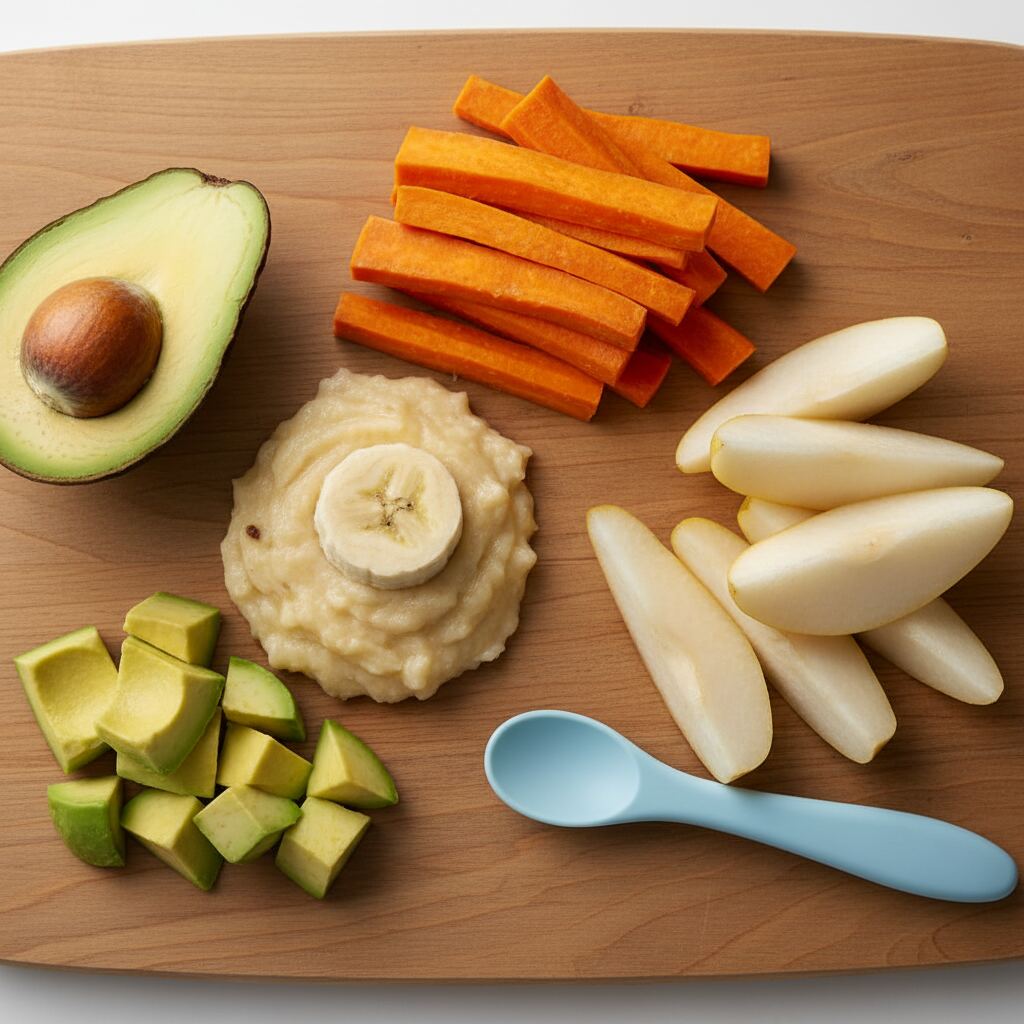
In Australia, the advice is to offer a wide variety of foods from all food groups, including allergenic foods, from around six months. There's no strict order, and the key is to offer single-ingredient foods initially so you can easily identify any reactions.
Iron-Rich Foods First
Iron stores from birth start to deplete around six months, so iron-rich foods are a top priority.
- Iron-fortified infant cereals: Mixed with your child's usual breast milk or formula.
- Puréed meats: Such as beef, lamb, chicken, or pork. Ensure they are well-cooked and finely puréed.
- Cooked and puréed legumes: Lentils, chickpeas, or beans.
- Tofu: Silken tofu can be easily mashed or puréed.
Pairing iron-rich foods with Vitamin C-rich foods (like puréed fruit or vegetables such as broccoli or capsicum) can help with iron absorption. For more guidance on healthy eating for your growing family, check out our free parenting tools.
Vegetables and Fruits
Introduce a rainbow of vegetables first, before too many sweet fruits, to encourage acceptance of savoury flavours.
- Vegetables: Start with smooth purées of cooked sweet potato, pumpkin, carrot, zucchini, broccoli, or peas. As your child gets older and more accustomed to textures, you can offer mashed or soft-cooked finger foods.
- Fruits: Mashed or puréed banana, avocado, cooked apple, pear, or peach are excellent choices.
Remember, offering a variety of tastes and textures early on can help develop an adventurous eater. Don't be discouraged if they initially refuse a food; sometimes it takes multiple exposures (up to 10-15 times!) for a child to accept a new flavour.
Introducing Allergens Safely
Current Australian guidelines recommend introducing common allergenic foods early, around 6 months, and continuing to offer them regularly. This is a shift from older advice and is based on strong evidence that early and regular exposure can help prevent allergies.
Common Allergenic Foods
Introduce these one at a time, in small amounts, and observe for any reactions.
- Peanut: Smooth peanut butter (not whole peanuts) mixed into purée or yoghurt.
- Egg: Well-cooked egg (scrambled, hard-boiled and mashed).
- Cow's Milk: In cooked foods (e.g., in a white sauce or custard), or full-fat plain yoghurt/cheese. Avoid cow's milk as a main drink before 12 months.
- Wheat: Infant wheat cereal, small pieces of toast or pasta.
- Tree Nuts: Ground almonds or cashews (not whole nuts) mixed into food.
- Soy: Tofu, soy yoghurt.
- Fish and Shellfish: Cooked and flaked fish (bones removed).
- Sesame: Tahini paste mixed into food.
When introducing an allergen, offer a small amount for the first time in the morning or early afternoon so you can monitor your child for any reactions. If there's no reaction, continue to offer it regularly (e.g., 2-3 times a week) to maintain exposure. If you notice any signs of an allergic reaction (hives, swelling, vomiting, difficulty breathing), seek immediate medical attention. For more detailed information, consult with your GP or a paediatrician, or visit the Australasian Society of Clinical Immunology and Allergy (ASCIA) website.
Responsive Feeding and Textures
Responsive feeding is key – follow your child's cues for hunger and fullness. Don't force them to eat if they're not interested, and respect when they've had enough. This helps them develop a healthy relationship with food.
Progressing Textures and Finger Foods
Once your child is comfortable with smooth purées, gradually introduce thicker, lumpier textures. This is important for developing their chewing skills and preventing fussy eating later on.
- Mashed foods: Mashed banana, avocado, sweet potato.
- Soft finger foods: Around 7-8 months, when they develop their pincer grasp, offer soft, easy-to-grasp pieces of food. Think cooked carrot sticks, soft fruit pieces, toast fingers, or small pieces of well-cooked pasta.
Always supervise your child during mealtimes and ensure food is cut into appropriate sizes and textures to minimise choking hazards. Avoid whole grapes, nuts, large chunks of meat, and sticky lollies. You might find our parenting tools helpful for tracking progress and ideas!
Hydration and Other Considerations
While breast milk or formula remains the primary source of nutrition for the first year, offering sips of water with meals is a good habit to establish.
- Water: Offer small amounts of plain tap water in an open cup or sippy cup with meals.
- No Added Sugar or Salt: Avoid adding sugar or salt to your child's food. Their kidneys are still developing, and too much salt can be harmful.
- Honey: Do not give honey to children under 12 months due to the risk of infant botulism.
- Choking Hazards: Always be mindful of choking hazards. Ensure food is prepared appropriately for your child's age and developmental stage.
Introducing solids is a messy, fun, and often surprising adventure! Embrace the spills, celebrate the small victories, and remember that you're doing a fantastic job nurturing your little one's growth and development. If you ever feel overwhelmed or need personalised advice, your Maternal Health Nurse or GP is always there to support you. Happy feeding! For more insights into your child's development, explore our blog.
Practical tips for Australian families
Every baby develops at their own pace. The guidance below reflects current advice from the Australian Breastfeeding Association, Raising Children Network and our team's Maternal Health Nurses. Use it as a gentle framework — not a checklist to stress over.
What to watch for week to week
- Consistency over speed: tiny daily cues matter more than dramatic leaps.
- Connection over correction: warm, responsive interactions build the brain pathways behind every milestone.
- Rest over rush: tired babies (and parents) struggle to show their best. Protect sleep windows.
When to check in with your GP or Maternal Health Nurse
Trust your instincts. If something feels off — feeding, breathing, settling, or development — book a free Maternal & Child Health appointment. Early conversations almost always lead to easier solutions, and reassurance is a perfectly valid reason to call.
How Parenting Hub can help
Our free parenting tools include a baby tracker, sleep coach, and AI midwife so you can log patterns, spot trends, and get evidence-based answers in seconds — without leaving the lounge room. Members also unlock printable routines tailored to your child's age and temperament.
If you'd like personalised support, our care plans are written by a registered Maternal Health Nurse and delivered straight to your inbox within 24 hours.