Navigating the 2-Year Sleep Regression with Confidence
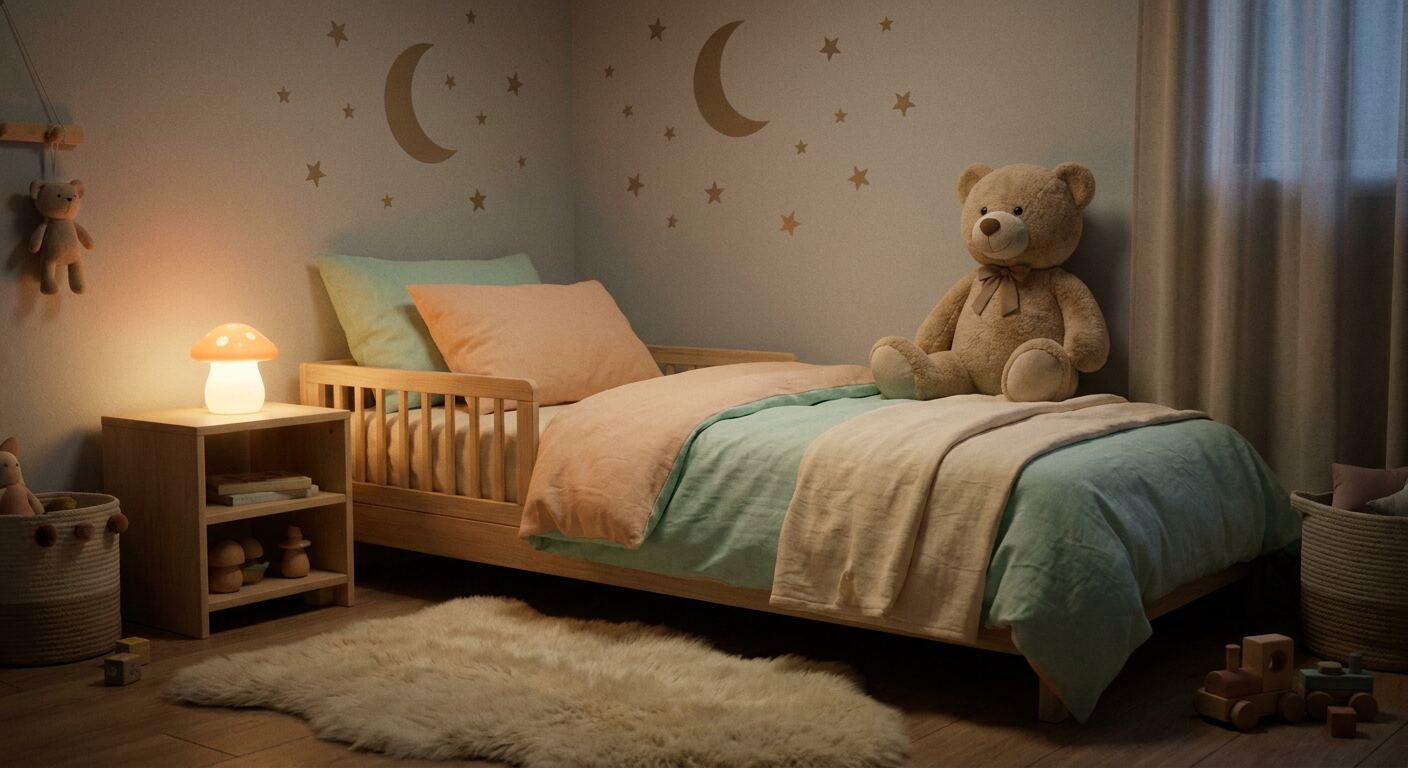
Discover how to navigate the 2-year sleep regression with gentle, evidence-based strategies from Australian experts to help your toddler (and you) rest again.
Just when you thought you had a handle on the rhythm of toddlerhood, the dreaded two-year sleep regression arrives. It often feels like a sudden shift; your previously reliable sleeper might start protesting bedtime, waking frequently during the night, or deciding that 5:00 am is the perfect time to start the day. If you find yourself sitting on the floor outside their bedroom door tonight, please know you are far from alone. This phase is a common developmental milestone frequenting the conversations of Mums and Dads across Australia, often discussed during visits with a Maternal and Child Health Nurse.
Understanding this shift through the lens of responsive parenting helps us see that this isn't 'naughty' behaviour or a sign that your hard-won routines have failed. Instead, it is a sign of a blossoming, complex little brain. At two years old, your child is experiencing a surge in cognitive ability, language development, and a burgeoning sense of independence. This age is also a peak time for separation anxiety, as they become more aware of the world and their place within it. While it feels exhausting, these milestones are actually cause for quiet celebration—even if you’re celebrating with an extra-large flat white the next morning.
The 2-year sleep regression is uniquely challenging because it often coincides with other big life changes, such as toilet training, transitioning to a big bed, or perhaps the arrival of a new sibling. According to the Royal Children's Hospital Melbourne, sleep patterns change significantly during the toddler years, and while it can feel like a setback, it is often a temporary adjustment period. By approaching this phase with empathy and a consistent plan, you can help your little one navigate their big feelings and return to a restful night's sleep.

Why Is My Two-Year-Old Not Sleeping?
To navigate this regression, it helps to identify the 'why' behind the wake-ups. Several factors typically converge around the second birthday. Firstly, language development is exploding. Your toddler’s brain is busy categorising new words and concepts, which can make it very hard to 'switch off' when the lights go out. Secondly, the developed sense of autonomy means they are testing boundaries. They have discovered they have a choice, and sometimes that choice is to see how many times Mum will come back for one more sip of water or another cuddle.
Another significant factor is the change in sleep needs. Many toddlers begin to require slightly less daytime sleep at this age. If your little one is still having a long midday nap, they may not have enough 'sleep pressure' built up by bedtime. You might find our baby wake window calculator helpful to see if their current schedule aligns with their age-appropriate needs. Adjusting the timing of the day sleep can often prevent those hour-long bedtime battles where they simply lack the tiredness required to drift off.
Separation Anxiety and Big Imaginations
At two, the world becomes a much bigger and sometimes more daunting place. This is the age where fears and nightmares can begin to emerge. Unlike a younger baby, a two-year-old has a vivid imagination. A shadow on the wall or a strange sound outside can trigger genuine distress. Red Nose Australia emphasises the importance of a safe and comforting sleep environment, and for a toddler, this might now include a consistent nightlight or a special transition object, like a soft toy or 'lovey' (provided they are over 12 months old and it is safe).
When your toddler calls out for you, they are often seeking the 'secure base' that responsive parenting provides. Acknowledging their fears without over-validating the 'monster under the bed' is a delicate balance. A quick check-in to provide a reassuring touch or a consistent phrase like, "I'm right here in the next room, you are safe and loved," can go a long way in lowering their cortisol levels so they can settle back down.
Practical Strategies for Success
Consistency is your best friend during a sleep regression. While it’s tempting to try a new tactic every night out of desperation, this often confuses a toddler even more. Instead, lean into a predictable rhythm. If you haven't already, creating a visual schedule can be wonderful for this age group. Use pictures to show the steps: bath, pyjamas, teeth, story, and then bed. This gives the toddler a sense of control and predictability over their evening.
If you find that your routine needs a complete overhaul, using a baby sleep plan tailored for toddlers can provide a roadmap. It’s not about 'training' they child to be silent, but about creating an environment where sleep feels like a safe and natural transition. You may also want to monitor their milestones using our baby development milestone guide to see if a physical leap is contributing to their restlessness.
- Keep it boring: Night-time interactions should be low-energy. Keep lights low and voices soft to signal that it is still time for rest.
- Offer choices: Give them a sense of autonomy by letting them choose between two sets of pyjamas or which two books to read. This satisfies their need for control before they get to the 'choosing' not to sleep part.
- Address the 'Big Bed' transition: If possible, avoid moving your toddler to a big bed during a regression. The physical boundaries of a cot often help them feel contained and safe. If they are already in a bed, ensure the room is completely 'toddler-proofed'.
- Check the Nap: Ensure the afternoon nap doesn't end too late. Aim for a 4 to 5-hour gap between waking from the nap and bedtime.
When to Seek Professional Support
As Australian parents, we are fortunate to have access to a robust support network. If you are feeling overwhelmed, your local Maternal and Child Health Nurse is an excellent first port of call. They can offer localised advice and screen for any physical issues, such as enlarged tonsils or adenoids, which can sometimes cause sleep apnoea and restless sleep in toddlers. If you have specific concerns about their health or need immediate reassurance, you could also ask Genie Midwife or speak with your GP.
It is also worth noting that parental well-being is intrinsically linked to child sleep. If the lack of rest is impacting your mental health, please reach out for support. Organisations like PANDA (Perinatal Anxiety & Depression Australia) provide support for parents of toddlers as well, acknowledging that the 'postnatal' period often extends well into these challenging early years.
Reframing the Regression
It helps to view the 2-year sleep regression not as a permanent state, but as a temporary phase of growth. Just as they learned to walk and talk, they are now learning to navigate more complex emotions and social boundaries. By remaining a calm, consistent presence, you are teaching them that sleep is a safe space and that you are always there to support them. Use our baby sleep guide resources to keep your toolkit full of gentle techniques.
Take heart in knowing that this too shall pass. Most regressions last between two to six weeks. In the meantime, prioritise your own rest where you can—early nights for yourself and tag-teaming with a partner are essential for keeping your patience levels topped up. You are doing a wonderful job navigating one of the most vibrant, yet exhausting, stages of parenthood.
This article is general information only and does not replace personalised advice from your GP, Maternal and Child Health Nurse, or paediatrician.