Preparing Your Toddler for a New Baby Sibling

Welcoming a new baby to the family is a huge milestone for your toddler; here is how to guide them through the transition with warmth and evidence-based tips.
Welcoming a new baby into your Australian home is one of the most beautiful transitions your family will experience, but it is also a season of profound change for your firstborn. For a toddler, the arrival of a sibling isn’t just about a new playmate; it is a fundamental shift in their universe. As parents, we often feel a mix of excitement and a little bit of guilt—wondering how our little one will handle sharing the spotlight. The good news is that with a gentle, responsive approach and some practical preparation, you can help your toddler navigate these big feelings while fostering a lifelong bond.
In the Australian context, we are lucky to have wonderful resources like our Maternal and Child Health Nurses and the evidence-based guidelines from Red Nose Australia to help us navigate these changes safely and emotionally. Preparing your child for a sibling is less about a single 'big talk' and more about a series of small, meaningful connections that help them feel secure in their changing world. By using a baby development milestone guide, you can even begin to explain to your toddler what the baby is doing inside the womb, making the concept more tangible for their curious minds.
Timing is everything when it comes to sharing the news. Most experts suggest waiting until the second trimester or until you are starting to show, as time is a difficult concept for toddlers to grasp. If you start talking about a baby who won't arrive for six months, it can feel like an eternity to a two-year-old. You might link the arrival to a season or an event they understand, such as 'when the weather gets cold' or 'after your birthday.' This helps them anchor the change to something predictable in their own little lives.
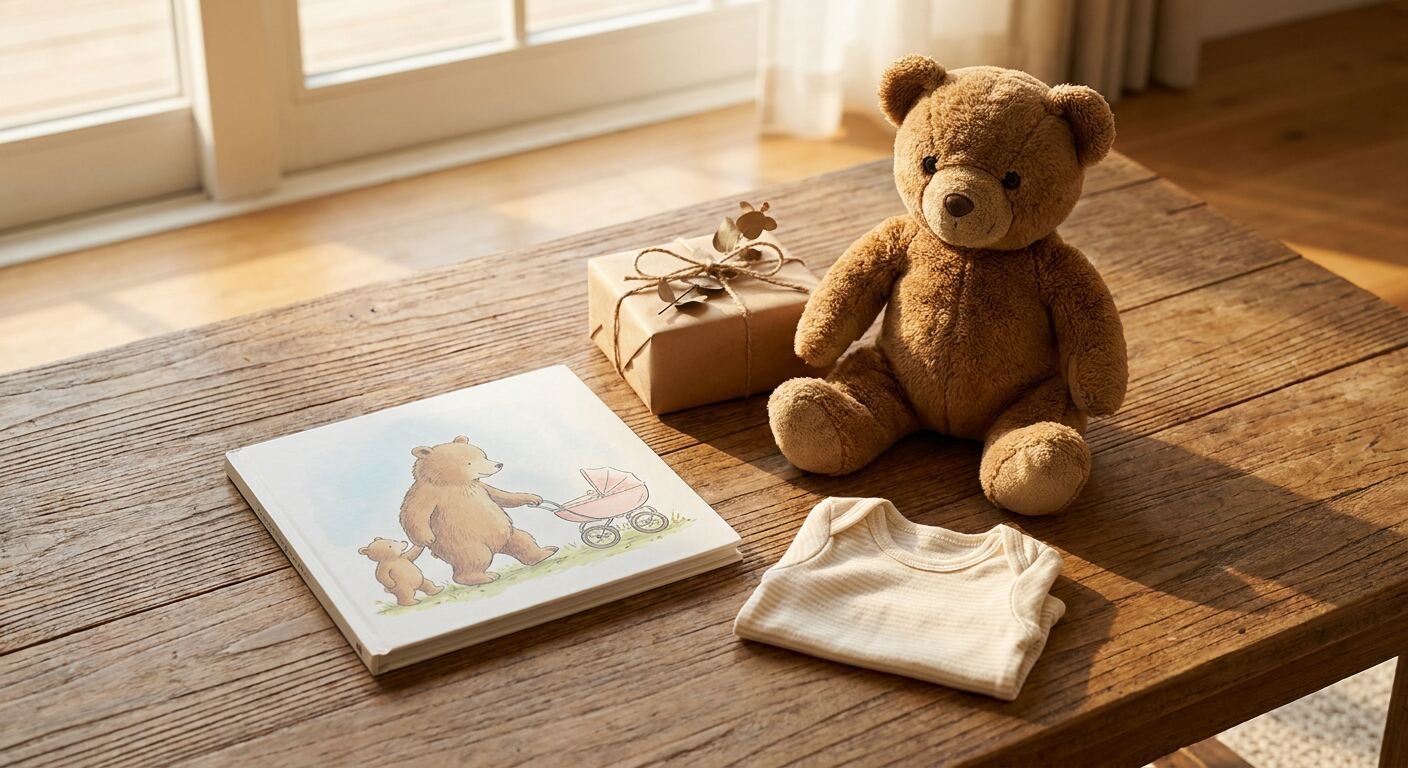
One of the most effective ways to prepare your toddler is through 'baby play.' If they don't already have one, consider gifting them a doll. Encourage them to practice gentle touches, 'nappy changes,' and quiet voices. This isn't just about play; it’s about rehearsing the empathy they will soon need. You can also use our baby sleep guide to understand how your own routine might shift, and slowly start introducing those changes to the toddler’s schedule now. For example, if you know you will be breastfeeding or bottle-feeding in a particular chair, start spending time there with your toddler reading books so they don't feel 'displaced' when the baby eventually takes up that space.
Managing the Practical Transitions Early
If your toddler is still in a cot and you plan to move them to a big bed to free up the cot for the newborn, try to do this at least three to four months before the baby arrives. You want to avoid the toddler feeling like the baby has 'stolen' their bed. The same applies to toilet training or weaning from a dummy. If these milestones don't happen well before the birth, it is often better to wait until a few months after the baby has settled in. According to the Royal Children's Hospital Melbourne, toddlers thrive on predictability, so avoiding 'stacking' too many big life changes at once is key to preventing a total meltdown.
Safety is another vital pillar of preparation. It is a great time to refresh your knowledge on safe sleep. Red Nose Australia provides excellent resources on ensuring the baby’s sleep environment is kept clear of toys and loose bedding—something your toddler will need to learn too, as they may feel the urge to 'share' their favourite teddy with the new baby in the bassinet. Explaining that 'babies sleep with nothing in their bed to stay safe' helps set those boundaries early. You can also look into a baby sleep plan to start envisioning how you will balance two different sleep schedules.
The Big Feelings: Understanding Regression
It is incredibly common for toddlers to experience some form of regression when a new sibling arrives. They might suddenly want their nappy back on, or start waking up during the night after months of sleeping through. This is their way of saying, 'I need to know you still love me as much as the tiny person who gets all the attention.' Instead of seeing this as 'naughty' behaviour, view it as an invitation for connection. Acknowledge their feelings by saying, 'It’s hard sharing Mum right now, isn’t it?' This validation goes a long way in de-escalating the big emotions that come with a new family dynamic.
Ensuring you have a solid handle on your toddler's current routine can help keep things stable. Utilising tools like a baby wake window calculator for the newcomer will eventually help you synchronise naps, but in those first few weeks, focus on 'filler' activities for your toddler. Prepare a 'special toy box' that only comes out when you are feeding the baby. This keeps them occupied and creates a positive association with those quiet feeding moments.
Involving Your Toddler in the Care
While a toddler can’t do much in terms of actual baby care, giving them 'jobs' can make them feel like a vital part of the team. They can be the 'Professional Nappy Fetcher' or the 'Lullaby Singer.' This sense of agency helps shift their perspective from being a displaced 'only child' to being an 'important big sibling.' During your appointments with your Maternal and Child Health Nurse, feel free to bring the toddler along so they can see the baby being weighed and feel included in the process. Most nurses in Australia are very supportive of this family-centred approach.
Creating One-on-One Time
Perhaps the most important strategy is the '15-minute rule.' Try to ensure each parent spends at least 15 minutes of uninterrupted, one-on-one time with the toddler every day, where the baby is not present and the phone is away. Let the toddler lead the play. This small investment acts as an emotional 'top-up,' reassuring them that while the family has grown, their place in your heart remains unchanged. Research from the AIHW often highlights the importance of early childhood environments on long-term wellbeing; these small moments of secure attachment are the building blocks of that stability.
When to Seek Help
Sometimes, despite our best efforts, the transition is particularly rocky. If your toddler becomes excessively aggressive, withdrawn, or if you feel you are struggling to cope with the demands of two little ones, please reach out. Your GP or Maternal and Child Health Nurse are there to support the whole family’s mental health. You don't have to thrive in those first few months—sometimes, simply surviving with everyone’s snacks and cuddles accounted for is a massive win.
As you move closer to your due date, remember that your capacity to love doesn't divide; it multiplies. You aren't taking anything away from your firstborn; you are giving them one of life’s greatest gifts—a sibling. It will take time, and there will be messy days, but soon enough, you'll catch a glimpse of them holding hands or sharing a giggle, and all the preparation will have been worth it.
This article is general information only and does not replace personalised advice from your GP, Maternal and Child Health Nurse, or paediatrician.
Related reading: planning your baby’s sleep setup
Related reading: setting up the baby’s nursery
Related reading: new baby buying checklist