Parent Attachment Signs: How to Tell Your Child Feels Safe
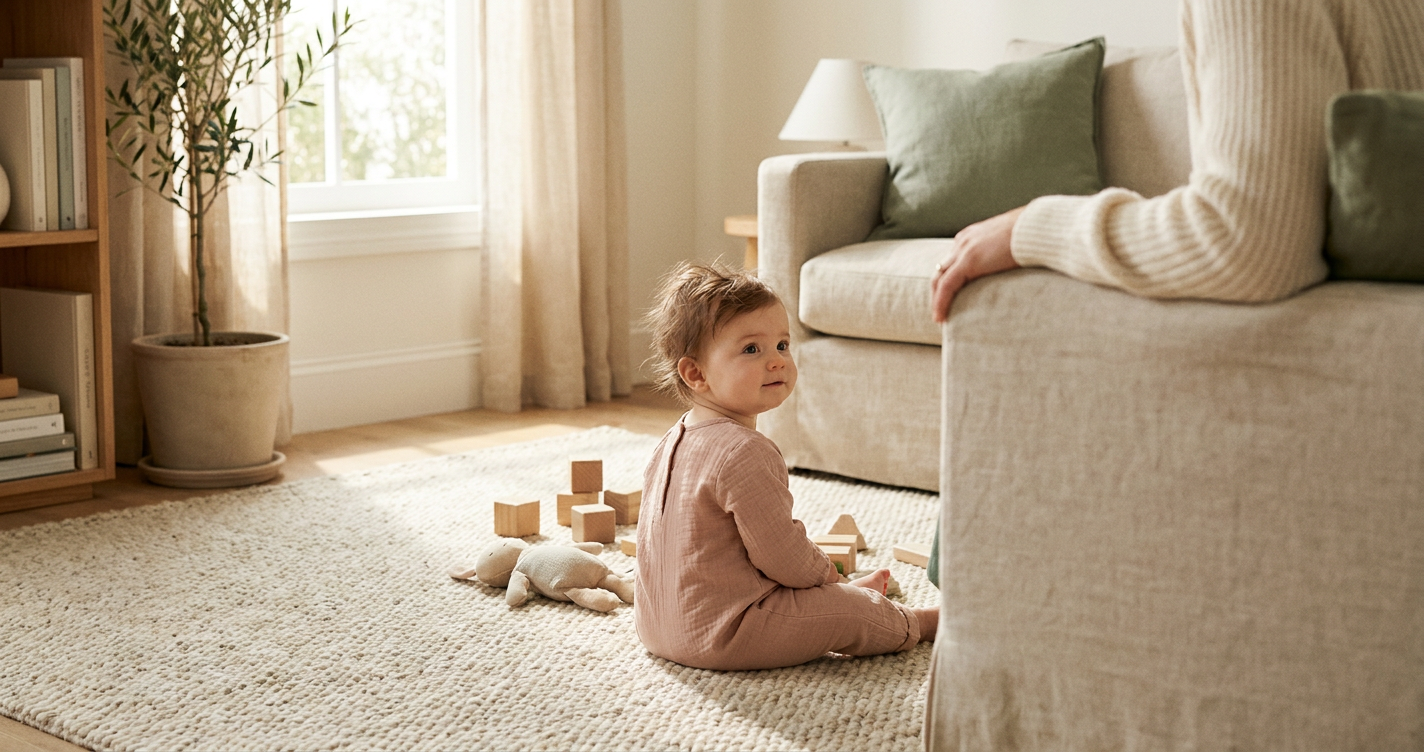
Learn the everyday signs that your child feels attached to you, how attachment changes with age, and when extra support may help.
You can often tell that your child feels attached to you by noticing whether they seek you for comfort, relax or reconnect after you respond, share enjoyment with you, and use your presence as a secure base while exploring. Attachment is not measured by constant closeness, perfect behaviour, or whether your child cries when you leave.
Look for a pattern across ordinary days rather than relying on one moment. A securely attached child may protest separation, run happily into childcare, cling during an unfamiliar situation, or ignore you briefly after a reunion. Temperament, age, tiredness, illness, neurodevelopment, culture, and recent changes can all influence how attachment is expressed.
What attachment really means
Attachment is the enduring emotional bond through which a child seeks safety, comfort, and connection with a familiar caregiver. It develops through many repeated experiences of being noticed and responded to. Your response does not have to be immediate or perfect every time. What matters is a generally reliable pattern of care and a willingness to reconnect after difficult moments.
Children can form meaningful attachments to more than one caregiver. Their relationship with each parent, grandparent, foster carer, or other consistent caregiver may look different. A preference for one person at a particular stage does not mean the other relationship is unimportant.
Common signs your child feels attached to you
No single behaviour proves the quality of an attachment. Together, however, the following signs can show that your child experiences you as a safe, familiar person:
- They seek you when distressed. Your child may reach, call, crawl, walk, look, or move closer when frightened, hurt, tired, or overwhelmed.
- Your response helps them recover. They may settle in your arms, soften when they hear your voice, accept reassurance, or gradually return to play. Some children need time before they can receive comfort.
- They check that you are available. While exploring, they may glance back, show you an object, call your name, or return briefly before moving away again.
- They share experiences with you. Smiles, eye contact, gestures, sounds, stories, jokes, and bringing you interesting objects are all ways of inviting connection.
- They notice separation and reunion. They may protest when you leave, greet you enthusiastically, seek a cuddle, or quietly stay nearby when you return.
- They show you their full range of feelings. Children sometimes release tears, frustration, or demanding behaviour with the adult they trust most. Boundaries are still important, but difficult feelings do not automatically signal weak attachment.
- They accept care from you. Depending on age, this might include feeding, soothing, help after a fall, support with a task, or talking through a problem.
- They become increasingly confident to explore. Feeling safe with you can support growing independence rather than constant dependence.
How signs change with age
Babies
A baby may recognise your voice, face, smell, and touch; turn toward you; settle more readily with familiar care; smile or vocalise during interaction; and seek proximity when upset. Young babies also look away, arch, fuss, or need a pause when overstimulated. These cues usually mean they need a change of pace, not that they are rejecting you.
Some babies are naturally quieter or less expressive. Eye contact should never be forced. Watch for subtle cues such as relaxing their hands, leaning into you, becoming more alert to your voice, or settling into a familiar feeding or soothing rhythm.
Toddlers and preschoolers
Young children often move between fierce independence and an urgent need for closeness. They may bring you toys, copy you, ask for help, check where you are, seek comfort after a bump, or want to reconnect following a tantrum. Separation protest is common, but its intensity varies widely.
School-age children
Older children may show attachment less physically. They might tell you about their day, ask for advice, seek reassurance at bedtime, want you nearby during a challenge, share humour, or return to you after conflict. A child can value friends and privacy while remaining strongly connected to a parent.
Teenagers
Teen attachment often appears through brief conversations, practical requests, shared routines, humour, or simply spending time in the same room. A teenager may push for autonomy yet still rely on knowing you are emotionally available. Respecting reasonable privacy while remaining interested and dependable helps preserve connection.
Behaviours that do not necessarily mean poor attachment
Parents commonly worry when a child does not react as expected. These behaviours alone do not show that attachment is weak:
- Not crying at childcare drop-off
- Crying intensely when you leave
- Preferring another caregiver for a period
- Taking time to reconnect after a separation
- Having tantrums, arguments, or boundary-testing behaviour
- Being highly independent, cautious, shy, or slow to warm up
- Showing affection differently from siblings or peers
- Not wanting hugs or eye contact
A child may avoid touch because of temperament, sensory preferences, stress, pain, or neurodevelopmental differences. Offer connection without insisting on a particular form: sit nearby, read together, play, listen, or ask whether they would like a hug, a hand to hold, or some space.
Ways to strengthen connection
Attachment grows through small, repeated interactions rather than special activities or constant entertainment. You can support it by:
- Responding to cues. Notice whether your child needs comfort, food, rest, help, movement, play, or a quieter environment.
- Following their lead in play. Spend a few minutes observing and joining what interests them rather than directing every activity.
- Naming feelings calmly. Try, “You wanted me to stay, and saying goodbye was hard.” You can validate emotion while holding a safe boundary.
- Creating predictable routines. Familiar patterns around meals, departures, reunions, and bedtime can help children feel secure.
- Repairing after conflict. Once everyone is calmer, acknowledge what happened, apologise for your part, restate the limit, and reconnect.
- Offering undistracted moments. Short periods of attentive listening can be more meaningful than long periods of distracted proximity.
- Accepting their style of affection. Connection might be a cuddle, conversation, shared game, drawing, joke, or quiet companionship.
For more practical ideas, explore our parenting articles and guidance on responsive parenting.
If you do not always feel connected
Feeling loving and feeling emotionally connected are not always the same. Exhaustion, depression, anxiety, trauma, feeding difficulties, birth experiences, financial pressure, relationship stress, and limited support can affect how connection feels. This does not make you a bad parent, and it does not mean the relationship cannot grow.
Start with manageable moments: meet a basic need, sit together, notice one cue, or follow a familiar routine. If you lose patience, return when calm and repair. Children benefit from caregivers who are sufficiently responsive and who come back to the relationship after disconnection.
When to seek help
Contact your maternal health nurse, midwife, GP, paediatrician, or another qualified child health professional if your baby or child rarely seeks or accepts comfort from familiar caregivers, shows little response to familiar voices or social interaction, loses previously acquired social or communication skills, or if you have concerns about hearing, vision, development, feeding, growth, or persistent extreme distress. These signs can have many causes and deserve thoughtful assessment rather than blame.
Seek support promptly if you feel persistently detached, numb, hopeless, highly anxious, or unable to care for yourself or your child. Contact emergency services immediately if your child is difficult to wake, has trouble breathing, has a seizure, is seriously injured, or if you think you may harm yourself or your child. If there is immediate danger, move the child to a safe place and call your local emergency number. Your maternal health nurse, midwife, or GP can also help you access urgent mental health and parenting support.