Baby Massage Benefits: A Calming Daily Ritual
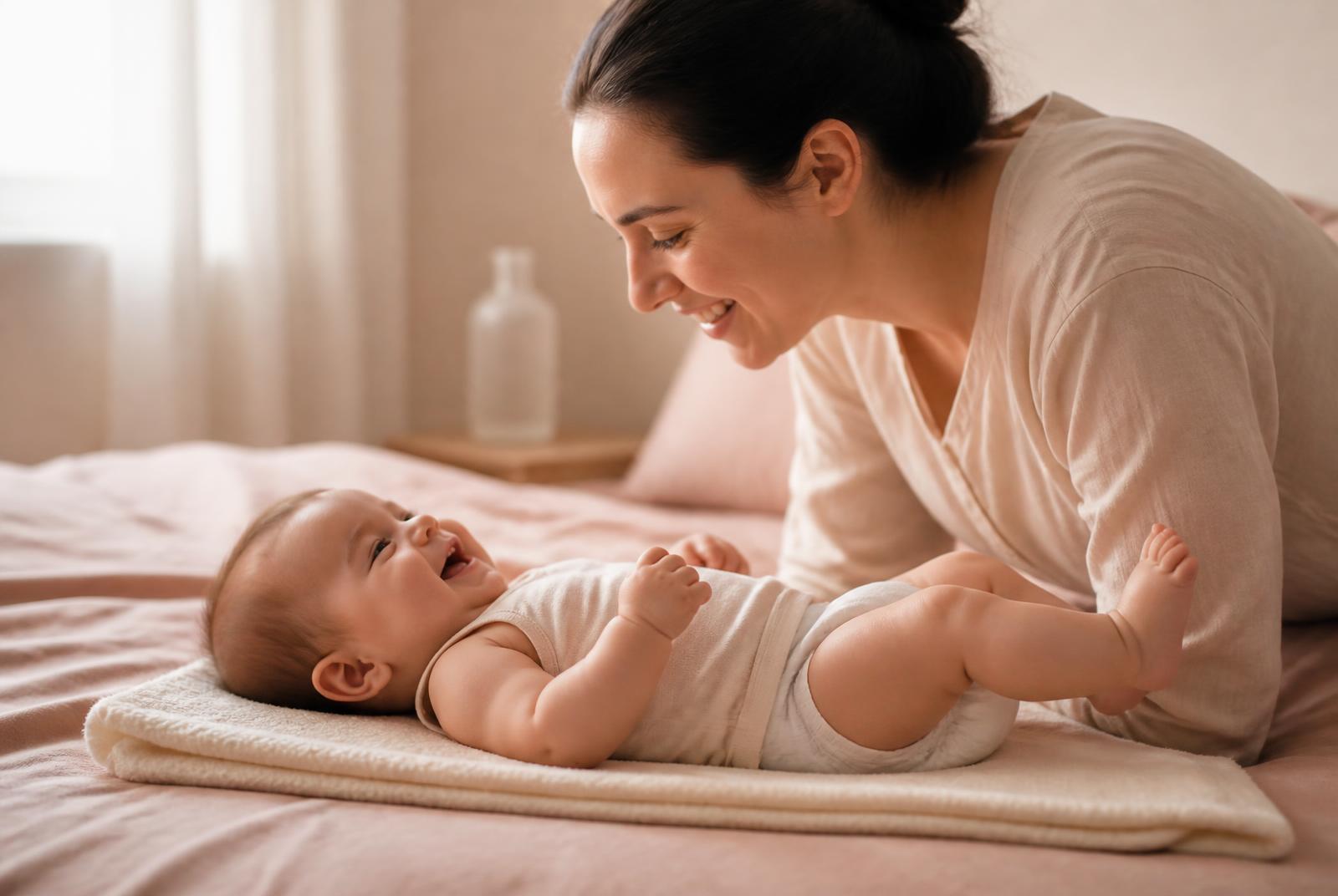
Discover the soothing art of baby massage, a gentle ritual that fosters connection and supports your little one's development from the comfort of home.
There is something truly magical about the quiet moments shared between a parent and their baby, away from the hum of the washing machine or the ping of a smartphone. In the flurry of life with a newborn or older infant, baby massage offers a beautiful opportunity to pause, breathe, and connect through the power of touch. In Australia, many of us first hear about the benefits of massage during a visit with our local Maternal and Child Health Nurse or through Australian Breastfeeding Association (ABA) support groups, and for good reason—it is an evidence-supported way to nurture both your baby’s physical health and your emotional bond.
Massage isn't just a luxury or a trendy wellness practice; it is a form of responsive parenting that communicates love and security before your baby can understand a single word. When we massage our babies, we are using the language of skin-to-skin contact to regulate their nervous systems and our own. From the red dust of the outback to the leafy suburbs of Melbourne and Sydney, parents are finding that this daily ritual helps settle little ones after a busy day of sensory input and growth.
Understanding the 'why' behind the strokes can make the practice even more meaningful. Whether you are looking to ease a fussy tummy or simply want to find a way to wind down before sleep, integrating massage into your routine can be a transformative experience for the whole family. It creates a predictable rhythm in a baby's world, which is essential for their sense of safety and well-being.
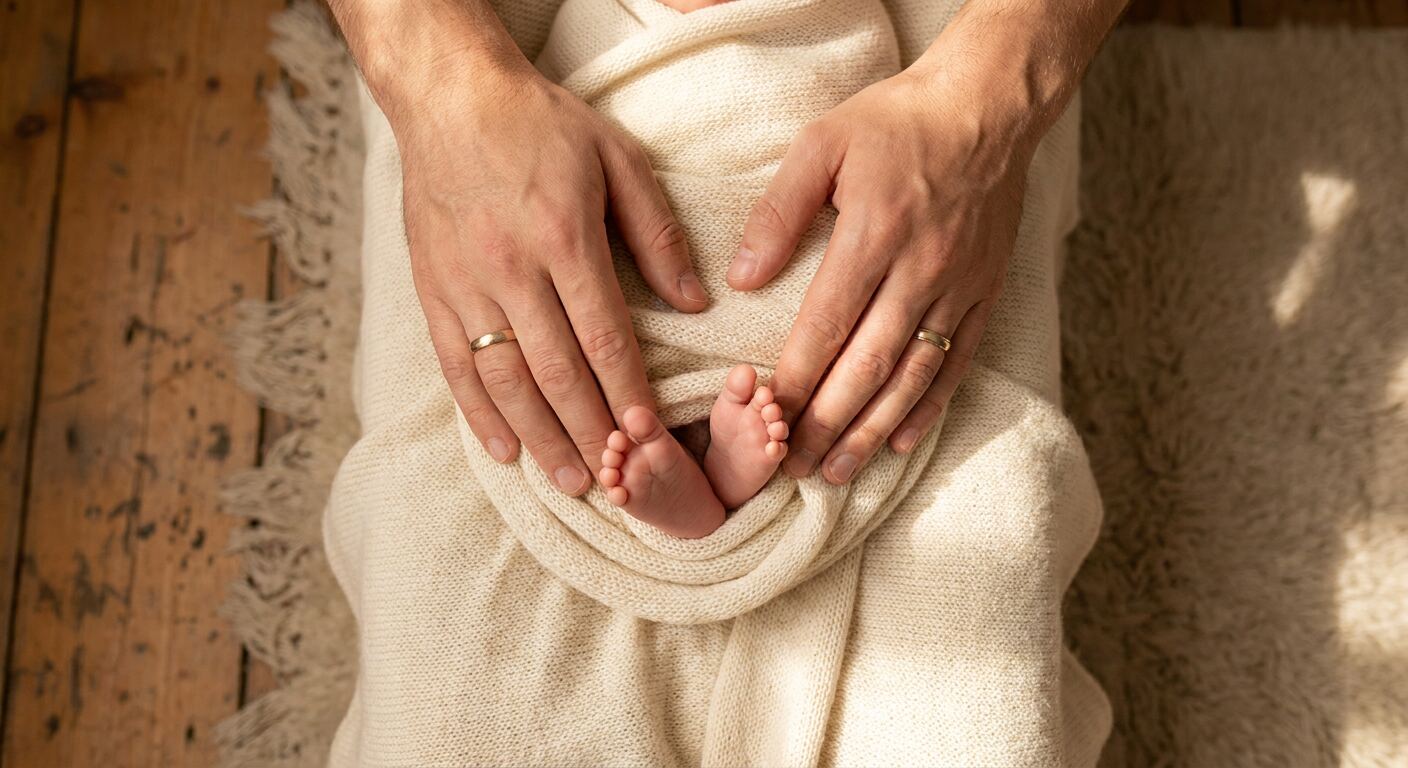
The Physical and Emotional Benefits of Massage
The benefits of baby massage extend far beyond simple relaxation. Research supported by various health bodies, including the Royal Children's Hospital Melbourne, suggests that regular, gentle massage can improve circulation, boost immune function, and even aid in weight gain for premature infants. When we stimulate the skin, we are effectively stimulating the vagus nerve, which helps the digestive system work more efficiently. For many Aussie parents, this is a lifesaver when dealing with common issues like wind, constipation, or the dreaded evening 'witching hour'.
Promoting Better Sleep Patterns
One of the most sought-after benefits is, of course, better sleep. A gentle massage before bed helps to lower levels of cortisol (the stress hormone) and increase the production of melatonin (the sleep hormone). By incorporating massage into your bedtime routine, you are sending a clear signal to your baby that it is time to transition from the activity of the day to the rest of the night. If you are currently navigating erratic sleep, using a baby sleep guide alongside massage can help establish those vital circadian rhythms. Many parents find that checking a baby wake window calculator allows them to time the massage perfectly so the baby is calm but not overtired.
Enhancing the Parental Bond
Massage is a two-way street. As you watch your baby’s cues—their smiles, their relaxed limbs, or even the way they track your face—you are becoming an expert in their unique non-verbal language. This 'serve and return' interaction is the foundation of secure attachment. For partners who may not be breastfeeding, massage offers a dedicated, hands-on way to bond and feel deeply involved in the daily care of the baby. It builds parental confidence, as you learn exactly how to soothe your child's distress through your own touch.
Practical Tips for a Safe Massage Routine
Before you begin, it is important to ensure the environment is right. The Australian climate can be fickle, so make sure the room is comfortably warm (around 24–26 degrees Celsius) since your baby will be undressed. Lay them on a soft, flat surface on the floor—a clean towel or a change mat works perfectly. Ensure you are following baby development milestone guide advice regarding floor time and supervised play, as massage is also a wonderful way to encourage body awareness.
Choosing the Right Oil
When selecting an oil, Australian paediatrician advice generally leans toward cold-pressed vegetable oils that are safe if the baby happens to put their hands in their mouth. Options like fractionated coconut oil or sweet almond oil (if there is no family history of nut allergies) are popular. Avoid mineral oils or heavily scented products which can irritate sensitive newborn skin or interfere with the baby's ability to smell your natural scent, which is crucial for bonding. Always do a patch test on a small area of the baby’s skin 24 hours before your first full massage.
Reading Your Baby's Cues
The most important rule of baby massage is 'consent'. While a baby cannot say yes, they communicate through their body language. If your baby is crying, stiffening their limbs, or turning away, it is not the right time for a massage. We want this to be a positive experience, not a chore. Wait for a time when they are 'quiet and alert'—not too hungry, and not immediately after a feed to avoid posseting. If you're ever unsure about your baby's digestive comfort during massage, you might want to ask Genie Midwife for specific settling tips.
Specific Techniques for Common Woes
If you are dealing with a colicky or windy baby, specific strokes on the abdomen can be very helpful. The 'I Love You' stroke is a classic: trace the letter 'I' on the baby's left side, then an inverted 'L' across the top and down the left, and finally an inverted 'U' from the bottom right, up, across, and down the left. This follows the natural path of the large intestine. Always move in a clockwise direction to assist with digestion.
For restless legs or growing pains in older babies, long, firm strokes from the hip down to the ankle can be very grounding. For babies who spend a lot of time in a carrier or pram, a gentle back massage can help relieve tension. Remember to always keep one hand on the baby at all times to maintain that continuous connection and security.
Safety First: Australian Guidelines
Red Nose Australia emphasises the importance of safe sleep and environment. Never leave a baby unattended on a raised surface during massage, and ensure that any oil used is kept out of the baby’s reach. If your baby has any underlying medical conditions, such as hip dysplasia or skin conditions like eczema, it is best to consult with your GP or Maternal and Child Health Nurse before starting a routine. They can provide modified strokes that are safe for your specific situation. You can also track your baby's reactions and sleep impacts using a baby tracker to see if massage is helping them settle more quickly over time.
When to Avoid Massage
- Immediately after a vaccination (wait at least 48 hours if the area is tender).
- If the baby has a fever or is feeling unwell.
- If the baby has a skin rash or broken skin (unless using a prescribed ointment).
- If you, the parent, are feeling extremely stressed; your baby will pick up on that tension. Take five minutes to breathe first!
Ultimately, baby massage is a gift of time. In our fast-paced Australian lives, carving out ten minutes to simply 'be' with your child is invaluable. It is a ritual that grows with your baby—moving from the gentle, feather-light strokes of the newborn phase to the more playful, interactive movements of toddlerhood. It fosters a culture of touch and affection in the home that can last a lifetime.
As you navigate the beautiful and sometimes exhausting journey of parenthood, remember that you are your baby's best expert. Your touch is healing, your voice is soothing, and these small daily rituals are the building blocks of a happy, healthy childhood. Whether you are doing a full massage or just a quick foot rub after a nappy change, your presence is the most important part of the process.
This article is general information only and does not replace personalised advice from your GP, Maternal and Child Health Nurse, or paediatrician.
Related reading: navigating the four-month sleep regression