Toilet Training Readiness Tool | Is Your Toddler Showing Signs of Readiness for Potty Training
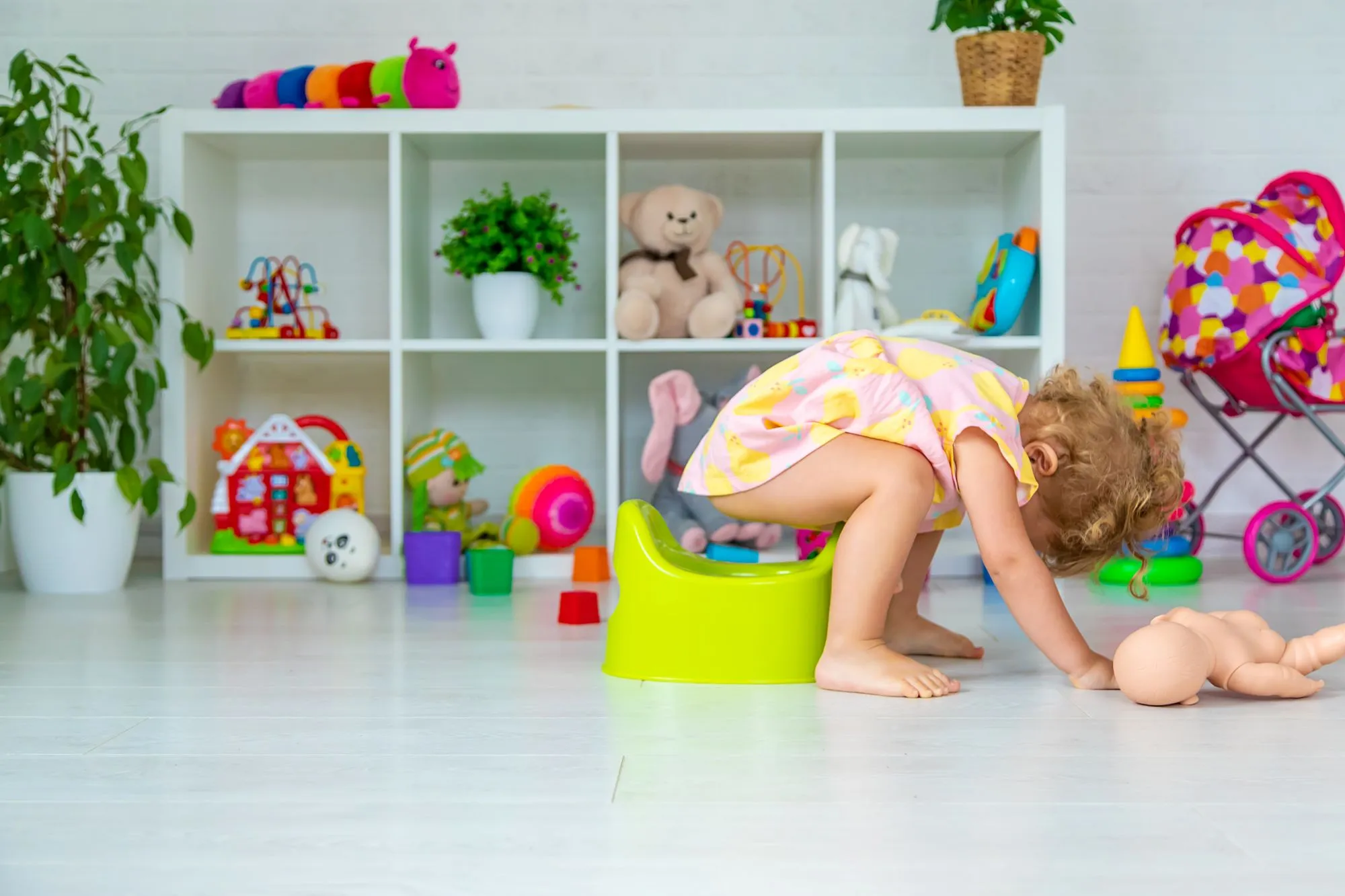
Toilet training is an important developmental milestone, but starting too early can make the process stressful for both parents and toddlers. Many children show clear readiness signs before they can successfully use the potty. The Toilet Training Readiness Tool helps parents identify whether their child may be ready to begin toilet training by recognising key developmental signals such as staying dry longer, showing interest in the toilet, and communicating toileting needs. Understanding these readiness signs can help parents begin the training journey with confidence and support their child through this important stage.
Introduction: When Is the Right Time to Start Toilet Training?
One of the biggest milestones in early childhood is learning how to use the toilet.
Many parents begin wondering when their child is ready to start toilet training. Some toddlers show interest in the potty early, while others need more time before they are comfortable leaving nappies behind.
Starting too early can make the training journey stressful for both parent and child. However, when a toddler shows clear signs of readiness, learning to use the potty often becomes much easier.
Understanding potty training readiness can help parents feel confident about when to begin.
To support families through this stage, Parenting Hub created the Toilet Training Readiness Tool, a simple resource that helps parents determine whether their toddler is ready to begin the toilet training journey.
You can explore the Parenting Hub's free tools, from pregnancy to early childhood.
This tool helps parents recognise important signs and decide if the time may be right to begin potty training.
Why Readiness Matters for Toilet Training
Every child develops at their own pace. Some children may begin showing interest in the potty around 18 months, while others may not be ready until closer to 3 years of age.
The key factor is not a specific age but whether the child shows developmental readiness.
Children who are ready for toilet training often learn the skill more quickly because they have developed the physical, emotional, and communication skills needed to control bladder and bowel movements.
Trying to toilet train a child before they are ready can lead to frustration, resistance, and setbacks.
Waiting until signs appear often makes the experience smoother and more positive.
Signs Your Toddler May Be Ready for Potty Training
Parents often notice several signs when a child is ready to begin toilet training.
These signs show that a child is developing the awareness and physical ability needed to use the toilet.
Staying Dry for Longer Periods
If your child’s nappy stays dry for longer stretches during the day, this may indicate that bladder control is improving.
This is an important readiness sign.
Showing Interest in the Toilet - Getting Started
Some toddlers become curious about the toilet or potty.
They may watch parents go to the bathroom or ask questions about toileting.
This curiosity can be a helpful step in the training process.
Communicating When the Nappy Is Wet or Dirty
Children who tell a parent or caregiver when their nappy is wet may be developing awareness of their body signals.
This awareness is important for learning to use the toilet.
Ability to Follow Simple Instructions
Toilet training involves learning new routines.
If your child can follow simple directions such as “sit on the potty,” they may be ready to begin training.
Interest in Independence
Many toddlers begin wanting to do things on their own.
This independence can include wanting to try training pants or sitting on the potty.
This stage can be a positive time to introduce toilet training.
Developmental Factors That Influence Toilet Training
Toilet training readiness also depends on a child’s developmental stage.
Children with normal neuropsychomotor development typically develop bladder and bowel control gradually as their nervous systems mature.
However, every child develops at their own pace.
Some children may require additional time before they feel comfortable using the potty.
Children with autism or other differences may follow a different timeline, and toilet training strategies may need to be adapted to suit their needs.
Parents who have concerns about their child’s development can speak with a paediatrician for guidance.
Challenges Parents May Encounter
Toilet training does not always happen smoothly. Some children begin the process but later show resistance.
This is normal and often temporary.
Common challenges include:
- Fear of sitting on the toilet
- Reluctance to stop using nappies
- Constipation
- Accidents during the training process
Constipation can sometimes make toilet training more difficult, as it can cause discomfort when a child tries to use the toilet.
If constipation occurs regularly, parents may wish to discuss this with a healthcare professional.
Tips for Starting the Toilet Training Journey
Once your child shows signs of readiness, there are several ways parents can support the learning process.
Introduce the Potty Gradually
Allow your child to explore the potty without pressure.
Some children prefer a small potty, while others feel comfortable using a toilet seat with support.
Create a Simple Routine
Encourage your child to sit on the potty at predictable times during the day, such as after meals or before bedtime.
Routine helps children understand when to expect toileting.
Offer Encouragement
Positive encouragement can help children feel proud of their progress.
Celebrate small steps during the training journey.
Be Patient
Learning to use the toilet takes time.
Accidents are part of the learning process, and patience helps children feel supported.
When Toilet Training May Need to Wait
Sometimes parents feel pressure to begin toilet training early.
However, if a child shows little interest or becomes distressed, it may be best to pause and try again later.
Toilet training works best when children feel ready and confident.
Forcing the process too early may slow progress rather than accelerate it.
Using the Toilet Training Readiness Tool
The Toilet Training Readiness Tool helps parents determine whether their child is ready to begin potty training.
The tool asks questions about:
- Signs of readiness
- Developmental milestones
- Communication skills
- Daily routines
- Interest in toileting
By answering these questions, parents can better understand whether their toddler may be ready to start toilet training.
You can explore the tool from the Parenting Hub website.
Parenting Hub provides practical resources designed to support parents through important early childhood stages.
Supporting Your Child Through New Milestones
Learning to use the potty is an important step in a child’s development.
With patience, encouragement, and the right timing, most children gradually gain the skills they need to manage toileting independently.
The goal of toilet training is not perfection but progress.
By recognising readiness signs and gently supporting your child, parents can make this milestone a positive experience.
Final Thoughts - Toilet Training Readiness Tool
Every child follows their own path when learning new skills.
Recognising potty training signs can help parents choose the right moment to begin.
The tool provides guidance for families who want to determine whether their toddler is ready to begin the potty-training journey.
With the right support, patience, and encouragement, children can develop confidence as they learn this important new skill.
Related reading: signs your toddler is toilet-ready
Related reading: signs of toilet training readiness
Related reading: why toddlers often say no
Related reading: warning signs of developmental delay
Related reading: find a suitable toilet training method
Related reading: create a toilet training schedule