Umbilical Cord Care | Newborn Umbilical Stump and Belly Button
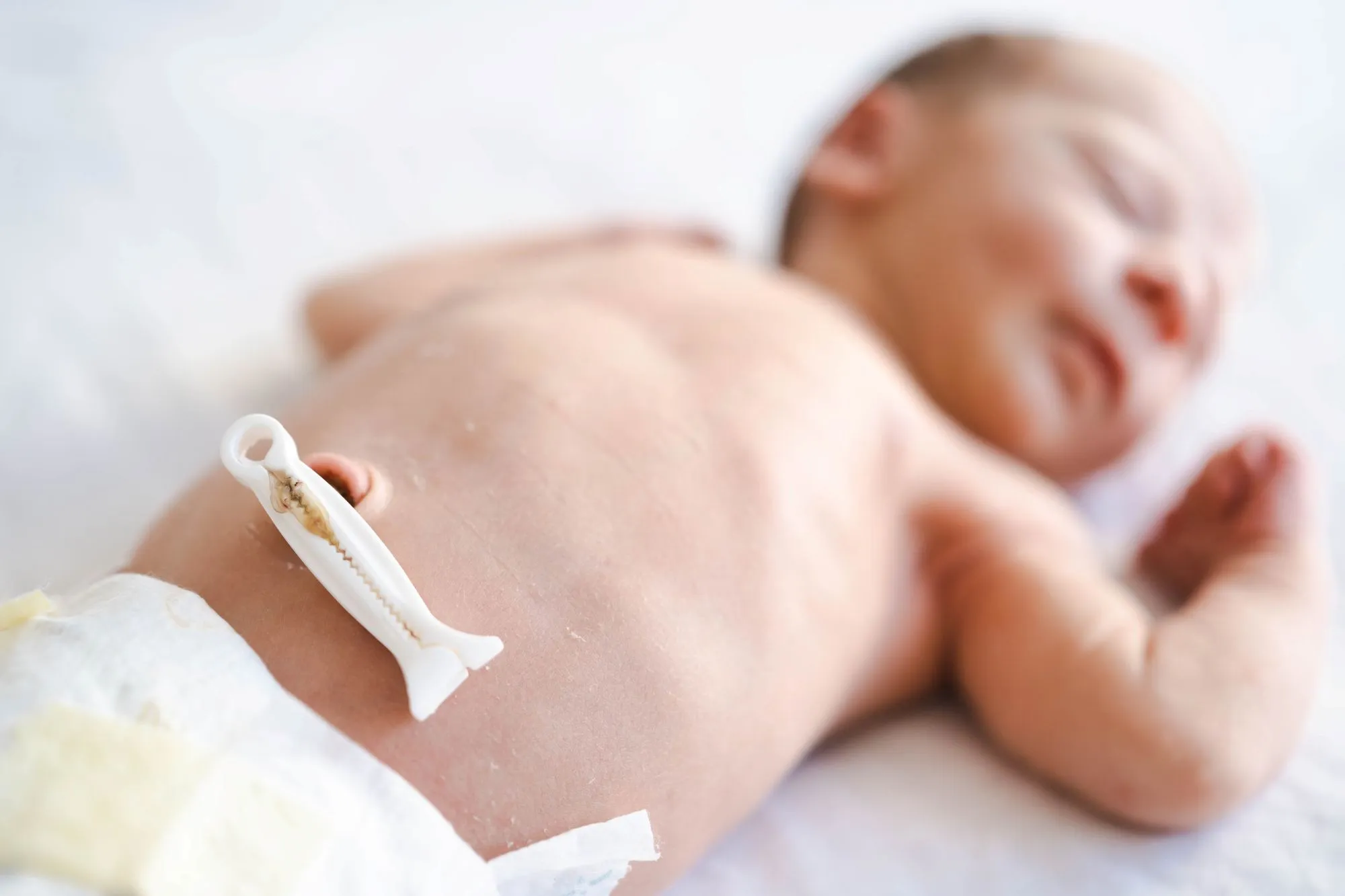
Newborn umbilical cord care is an important part of the first weeks after birth. Learn how to care for the umbilical cord stump, keep the belly button clean and dry, and understand what to expect as the stump heals and falls off.
When a baby is born, the umbilical cord is clamped and cut, leaving a small piece attached to the baby’s belly. This remaining section is called the umbilical cord stump, and it will eventually dry, heal, and fall off on its own.
For many new parents, caring for their newborn’s umbilical cord stump and belly button can feel unfamiliar. Understanding how to keep the area clean and dry and what to expect as it heals can help parents feel more confident during the first days and weeks after birth.
Proper umbilical care supports natural healing and helps prevent irritation or infection while the stump falls off.
What Is the Umbilical Cord Stump?
During pregnancy, the umbilical cord connects the baby to the placenta and provides oxygen and nutrients. After the baby is born, the cord is no longer needed.
Shortly after birth, the cord is clamped and cut, leaving a small stump attached to the baby’s belly button area.
This stump usually:
- Appears yellow, brown, or black as it dries
- Gradually shrinks and hardens
- Eventually falls off naturally
In most babies, the umbilical cord stump dries off within one to three weeks after birth.
Once the stump falls off, the area dries up and forms the baby’s belly button.
How to Care for Your Baby’s Umbilical Cord
Caring for a newborn’s umbilical cord stump is usually simple. Most health professionals recommend keeping the area clean and dry until the stump dries off.
Basic umbilical cord care includes:
Keep the stump clean and dry
The most important part of cord care is allowing the stump to dry naturally. Avoid covering the stump tightly with clothing or nappies.
Many parents fold the top of the nappy (diaper) down slightly so it sits below the stump.
Wash your hands before touching the area
Always wash your hands before handling your baby’s cord stump or belly button area. This helps reduce the chance of bacteria entering the area.
Avoid soaking the stump
Until the stump falls off, it is best to avoid submerging the baby in water. Instead of full baths, many parents give their newborns gentle sponge baths with warm water.
This keeps the baby clean while keeping the cord area dry.
Do not pull on the stump
It can be tempting to remove the stump once it begins to loosen, but it is important to let the stump fall off naturally.
Pulling the stump too early may cause bleeding or irritation around the belly button area.
What to Expect as the Stump Heals
The umbilical cord stump will go through several normal changes as it heals.
Over time, the stump may:
- Darken in colour
- Shrink in size
- Become dry and brittle
Eventually, the stump will separate from the skin and fall off, revealing the baby’s belly button.
After the stump is off, the belly button area may appear slightly moist or show a small amount of discharge for a few days as it continues to dry.
This is usually normal as long as the area remains clean and dry.
Signs the Umbilical Cord Is Healing Normally - Umbilical Cord Care
In most cases, the cord stump dries without complications.
Signs of normal healing include:
- The stump gradually drying out
- The stump is becoming darker in colour
- The stump falling off naturally
- The belly button heals within a few days
Parents may also notice a small amount of dried blood when the stump separates. This is usually normal and part of the healing process.
When to Contact a Health Care Provider - Umbilical Cord Care
Although most babies heal without problems, parents should contact a health care provider, child health nurse, or midwife if they notice signs of possible infection.
These signs may include:
- Redness spreading around the belly button
- Swelling or warmth around the stump
- Yellow or foul-smelling discharge
- Persistent bleeding
- The baby appears unwell or feverish
Early medical advice helps ensure the newborn’s belly button area dries properly.
Umbilical Hernia and Umbilical Granuloma
Sometimes, parents notice small changes in the belly button area after the stump is off.
Two common conditions include:
Umbilical Hernia
An umbilical hernia occurs when a small bulge appears near the belly button. This happens when tissue pushes through a weak area of the abdominal muscles.
Umbilical hernias are common in newborns and often resolve on their own as the baby grows.
Umbilical Granuloma - Umbilical Cord Care
An umbilical granuloma is a small piece of tissue that may remain after the cord stump falls off.
It may appear moist or pink and sometimes produces a small amount of discharge.
A healthcare provider or child health nurse can easily treat this if needed.
Supporting Your Newborn’s Daily Routine
The first weeks with a newborn can be both exciting and overwhelming. Babies spend much of their time feeding, sleeping, and adjusting to life outside the womb.
Establishing a gentle daily rhythm can help parents understand their baby’s needs and support healthy sleep patterns.
Parents can use the Baby Daily Routine Planner on Parenting Hub to generate a personalised daily routine based on their baby’s age and wake time. This tool helps organise feeding times, naps, playtime, and bedtime during the early months.
You can also explore other helpful resources through Parenting Hub Free Tools, which support parents during pregnancy and throughout the baby’s first year.
Creating a Calm Environment for Newborn Sleep
Sleep is an important part of a newborn’s development. Many babies sleep between 14 and 17 hours per day during the early months.
A calm and predictable sleep environment can help babies settle more easily.
Some parents find gentle music or soothing sounds helpful for bedtime routines. Personalised lullabies available through Genie Lullaby can create a relaxing atmosphere that supports baby sleep and bonding time.
Parents can also access additional parenting support and expert guidance through Parenting Genie, which provides helpful insights for navigating pregnancy, newborn care, and early parenting challenges.
Final Thoughts - Umbilical Cord Care
Caring for your baby’s umbilical cord stump and belly button is a simple but important part of newborn care.
By keeping the stump clean and dry, avoiding unnecessary handling, and allowing it to fall off naturally, parents can support healthy healing during the first weeks after birth.
Most umbilical cord stumps dry without complications, and the baby’s belly button will form naturally as the area closes.
If parents notice unusual redness, discharge, or swelling, seeking advice from a health care provider or child health nurse can help ensure the baby remains healthy and comfortable.
As parents settle into life with their newborn, tools such as the Baby Daily Routine Planner and other Parenting Hub resources can provide gentle guidance and reassurance throughout the early parenting journey.
Related reading: bathing your newborn safely
Related reading: signs of an umbilical hernia
Related reading: newborn umbilical cord health
Related reading: practical umbilical cord care
Related reading: clean baby earwax safely