7 Breastfeeding Positions: The IBCLC Guide to a Comfortable Latch
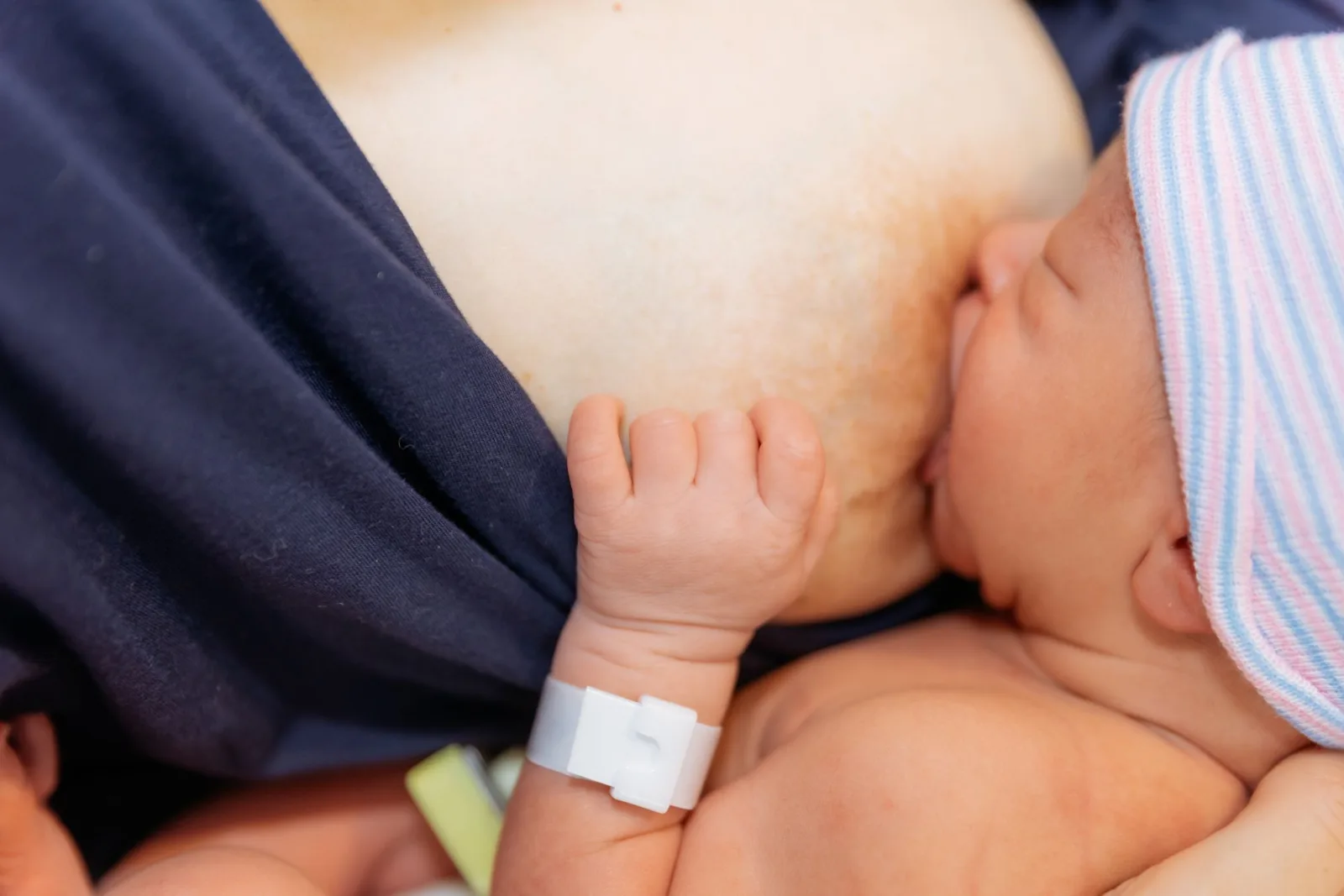
Cradle, cross-cradle, rugby, side-lying, laid-back, koala and dangle — the 7 breastfeeding positions every mum should know, with IBCLC tips for a deep latch.
Finding a comfortable, effective breastfeeding position is one of the fastest ways to build feeding confidence — and to prevent sore nipples, slow weight gain, or a fussy feed. Whether you're a first-time mum, recovering from a caesarean, tandem feeding twins, or learning to feed in public, there is a hold that suits your body, your baby, and the moment.
This guide walks through the 7 most useful breastfeeding positions, when each one shines, and the small adjustments that turn a painful latch into a calm, productive feed. It's written in line with current IBCLC (International Board Certified Lactation Consultant) guidance and the responsive feeding principles we use across Parenting Hub.
If you want a quick check of how your latch is going right now, try our free Breastfeeding Latch Quality Checker — it walks you through the signs of a deep, comfortable latch in under a minute.
What makes a "good" breastfeeding position?
Regardless of which hold you pick, every effective breastfeeding position has the same four ingredients:
- Tummy-to-mummy. Your baby's whole body — not just their head — should be turned toward you.
- Ear, shoulder and hip in a straight line. A twisted neck makes swallowing harder.
- Nose to nipple. Your nipple should line up with your baby's nose, not their mouth, so they tilt their head back slightly to latch.
- Wide gape, deep latch. More areola visible above the top lip than below the bottom lip.
If you have any of those four in place, the position is working — even if it doesn't look like the textbook picture.
1. Cradle hold
The classic. Baby lies across your lap, tummy-to-tummy, with their head resting in the crook of your arm on the same side as the breast you're feeding from. Your other hand can support the breast or your baby's bottom.
Best for: babies older than 4–6 weeks who already have good head control and a reliable latch. It's the easiest hold to do discreetly in public.
Watch out for: in the early weeks, the cradle hold can make it harder to guide a newborn onto the breast because their head sits below your hand. If latching feels fiddly, switch to cross-cradle until feeds feel established.
2. Cross-cradle hold
Similar to cradle, but you support your baby with the opposite arm to the breast they're feeding from. Your hand cups the base of their neck and shoulders, giving you precise control to guide them onto the breast.
Best for: newborns, premature babies, and anyone still learning to latch. It's the position most midwives and lactation consultants teach first.
Pro tip: bring baby to the breast, not the breast to baby. Lean back slightly so gravity helps rather than hunching forward.
3. Rugby (football) hold
Tuck your baby under your arm on the same side as the feeding breast, like a rugby ball. Their legs point behind you and their head sits at breast level, supported by your hand or a feeding pillow.
Best for:
- Caesarean recovery — baby's weight stays off your scar
- Mums with larger breasts
- Babies with a shallow latch or reflux
- Tandem feeding twins (one on each side)
4. Side-lying position
Both you and baby lie on your sides, facing each other, with their nose lined up to your nipple. Use a pillow behind your back for support and tuck a rolled-up muslin behind baby so they stay turned toward you.
Best for: night feeds, recovery from birth, mums who are exhausted, and feeding in bed. It's also a lifesaver during cluster feeding evenings when you simply can't sit up any longer.
Safe sleep note: if you might doze off, make sure your bed follows the Safe Sleep 7 guidelines — firm mattress, no pillows or duvets near baby, non-smoking household.
5. Laid-back (biological nurturing) position
You recline at roughly 45 degrees with baby lying tummy-down on your chest. Gravity holds them in place and triggers their instinctive feeding reflexes — head bobbing, rooting, self-latching.
Best for:
- The very first feeds after birth (skin-to-skin)
- Babies who fuss, arch or pull off the breast
- Mums with a fast let-down or oversupply
- Re-learning the latch after a tough feeding week
This is the position most IBCLCs reach for when a feeding routine has stalled — it lets baby take the lead and almost always improves latch depth.
6. Koala (upright) hold
Baby sits upright on your thigh or hip, straddling your leg, with their head at breast level. Support their back and neck with your hand on the same side.
Best for:
- Older babies who like to look around
- Babies with reflux, ear infections or a blocked nose
- Babies with a tongue tie (upright reduces nipple compression)
7. Dangle feeding
Baby lies on their back and you lean over them on all fours so the breast hangs into their mouth. It's not glamorous, but it works.
Best for: clearing a blocked milk duct or mastitis — gravity helps drain the affected area. Use it occasionally for short feeds, not as your everyday position.
Quick troubleshooting
- Sore nipples? Almost always a shallow latch. Break the seal with your little finger and re-latch with more areola in baby's mouth.
- Baby keeps pulling off? Try laid-back to slow a fast flow, or koala for reflux.
- Caesarean pain? Rugby hold or side-lying keeps weight off your scar.
- Feeling unsure baby is getting enough? Use our Milk Supply Checker to walk through the signs IBCLCs look for.
When to ask for hands-on help
If a position feels wrong, painful, or your baby isn't gaining weight, book a visit with your Maternal Health Nurse or an IBCLC. A 30-minute appointment can change feeding for the rest of your journey — and it's one of the best-evidenced supports for continued breastfeeding worldwide.
Want a personalised feeding plan for your stage and baby? Our Breastfeeding Tips tool tailors guidance to your week and challenge in a few taps.
Related reading: managing postpartum pain