How to Swaddle a Newborn Safely (Australian Red Nose Guide)

A safe swaddle helps newborns settle. Here's the Red Nose-aligned method, plus when to transition out.
Bringing a newborn home is one of the most transformative experiences a parent can have, but it often comes with a steep learning curve regarding sleep safety and settling techniques. In Australia, swaddling—also known as wrapping—is a time-honoured method used to help infants feel secure and reduce the moro reflex (the startle reflex) that can wake them prematurely. By following the gold-standard advice from Red Nose Australia, you can ensure your little one remains tucked in safely while minimising risks.
Understanding the benefits of safe swaddling
For many Australian families, swaddling is the bridge between the snug environment of the womb and the vastness of the cot. Research supported by the Raising Children Network suggests that appropriate wrapping can help babies settle more quickly and sleep for longer periods by providing a sense of containment. It creates a physical boundary that mimics the gentle pressure of the uterine walls, which is particularly effective during the fourth trimester when newborns are still adjusting to life on the outside.
Beyond settling, swaddling plays a crucial role in maintaining the supine position (sleeping on the back). A correctly swaddled baby is less likely to roll onto their tummy accidentally during the very early weeks of life. However, it is vital to remember that swaddling is a tool for sleep, not a 24-hour requirement. During awake time, babies need the freedom to move their limbs, explore their sense of touch, and develop muscle tone. If you are find yourself wondering why is my baby crying even when wrapped, it may be a sign of over-stimulation or a need for a nappy change rather than a failure of the swaddle itself.
- Reduces the startle reflex that triggers sudden waking.
- Keep hands away from the face to prevent accidental scratching.
- Encourages a state of calm in over-tired or over-stimulated infants.
- Maintains a stable body temperature when using breathable, natural fabrics.
The Red Nose Guide: Step-by-step to a safe wrap
Australian safety standards, spearheaded by Red Nose Australia, emphasise that a safe swaddle must never be too tight around the chest or hips. To begin, use a lightweight, breathable material such as a muslin or thin cotton wrap. Avoid heavy blankets or synthetic fabrics that may lead to overheating, which is a significant risk factor for SIDS. The goal is a firm fit around the arms but a loose, "frog-legged" fit around the lower body to protect developing hip joints.
To perform the classic "Dudu" or "Diamond" wrap, lay the cloth out in a diamond shape and fold the top corner down. Place your baby on their back with their neck aligned with the fold. Gently place one arm by their side (or slightly flexed at the elbow) and wrap the fabric across the chest, tucking it firmly under the opposite side of the body. Repeat with the other arm. The most critical part of this responsive parenting technique is ensuring the wrap does not rise up towards the chin or ears, as restricted breathing or face covering is a serious hazard. You can monitor your baby's sleep and feeding patterns using a baby tracker to see how swaddling impacts their rest cycles.
- Back to sleep: Always place your swaddled baby on their back on a firm, flat, and clean mattress.
- Hips matter: Ensure the legs can bend at the hips and the knees can fall outwards naturally.
- Chest space: You should be able to fit two to three fingers between the wrap and the baby's chest.
- Head clear: Ensure the wrap is well below the chin and cannot be pulled up over the face.
Choosing the right materials for the Australian climate
The Australian climate varies wildly, from the humid tropics of Queensland to the frosty winters of Tasmania. Consequently, thermal regulation is a key component of swaddle safety. Overheating is a major concern for Australian paediatricians; a baby who is too hot is at a higher risk of SIDS. As a general rule, a baby needs only one more layer than what you are comfortably wearing indoors. During a Sydney summer, a single muslin wrap over a nappy may be sufficient, while in a Melbourne winter, you might opt for a 1.0 TOG rated swaddle suit over a cotton onesie.
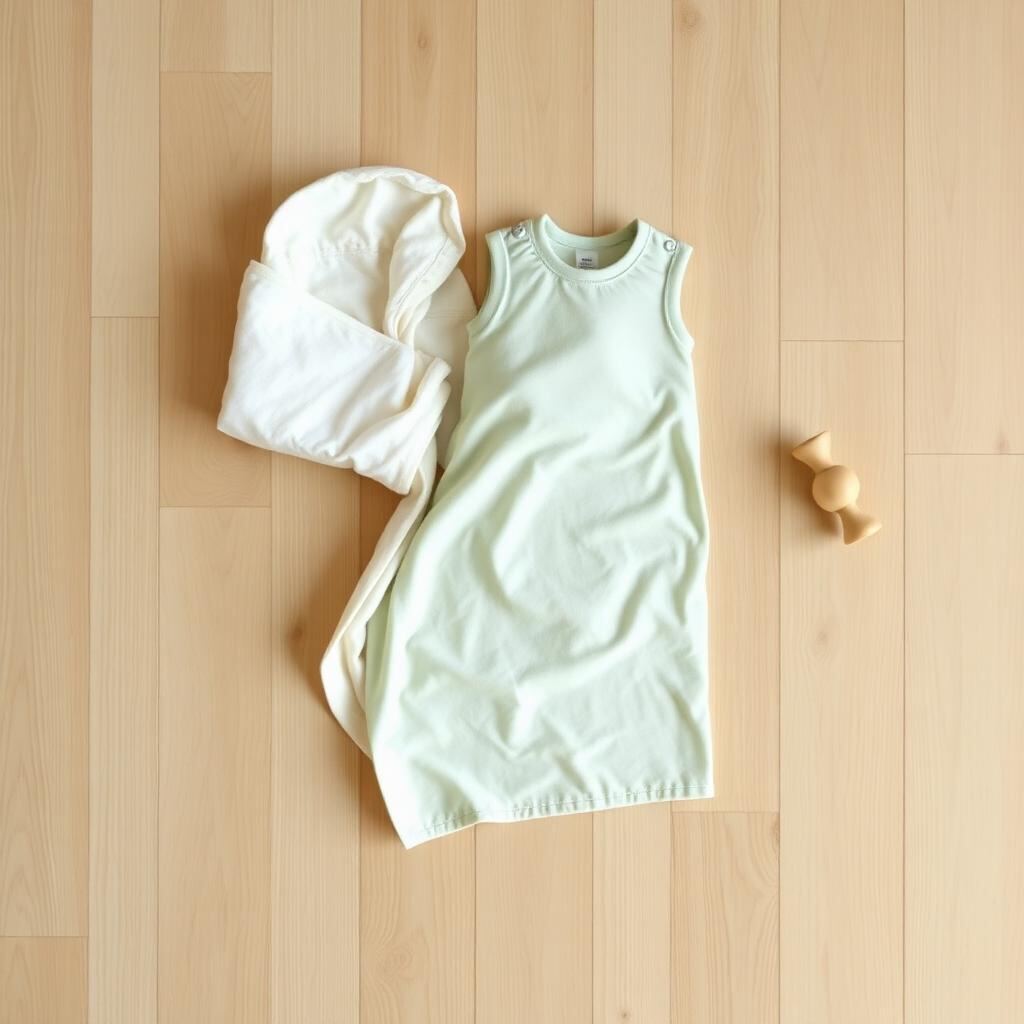
Natural fibres like cotton and bamboo are preferred because they allow for better airflow and moisture-wicking. Avoid any wraps with hoods or head coverings for sleep, as babies regulate their temperature primarily through their heads. If your baby's chest or the back of their neck feels hot or clammy, they are likely over-wrapped. For parents navigating the complexities of early infancy, including newborn routine baby schedules, finding the right "gear" is often a process of trial and error supported by observing your baby's cues.
When to stop swaddling: The developmental milestone
There is a definitive "expiry date" for swaddling, and it is linked directly to your baby's physical development. As soon as your baby shows signs of attempting to roll, you must cease swaddling with arms restricted immediately. This usually occurs between 2 and 4 months of age, though every child is different. If a baby rolls onto their tummy while their arms are bound, they may not have the strength to lift their head or turn back, creating a dangerous airway obstruction.
Transitioning out of a swaddle can be a challenging few nights for parents. Many Australian mums find success with a "one arm out" approach for two or three nights before freeing both arms. Transition suits or "wings" that allow for arm movement while still providing a slight feeling of restriction can be helpful. If the change causes significant disruption to your household, you might find our baby sleep and settling quiz useful for identifying other ways to support your little one's rest during this transition phase.
 Safely (Australian Red Nose Guide)" loading="lazy" width="1024" height="1024" />
Maintaining a safe sleep environment
The swaddle is only one part of the safe sleep equation. According to the Royal Children's Hospital (RCH) Melbourne, the cot should be completely clear of toys, pillows, quilts, and bumper pads. These items increase the risk of suffocation and overheating. Ensure the cot meets the Australian Mandatory Standard for Household Cots (AS/NZS 2172). The mattress must be firm and flat—never tilted—and the sheet should be pulled tight.
Positioning is also paramount. Place your baby at the "foot of the cot" so their feet are close to the bottom rail. This prevents them from wriggling down under any covers. If you are using a wrap, ensure it is tucked securely under the mattress so it cannot come undone. A Maternal Child Health Nurse will often check your nursery setup during home visits to ensure these standards are met, providing peace of mind that your sleep environment is as safe as possible.
When to see a doctor / health professional
While swaddling is generally a home-care technique, there are times when you should consult a professional. If your baby appears to have hip clicks or if there is a family history of developmental dysplasia of the hip (DDH), a GP or paediatrician should review your swaddling technique to ensure it is "hip-healthy." Furthermore, if your baby is consistently resisting the swaddle, crying inconsolably, or seems to be struggling with breathing while wrapped, seek advice from a health professional.
You should also contact 13 HEALTH (in Queensland) or your state's equivalent nurse-on-call line if your baby shows signs of heat exhaustion, such as extreme lethargy, a rapid heartbeat, or a dry mouth. Always trust your parenting intuition; if something doesn't feel right about how your baby is sleeping or breathing, a quick check-up with your local doctor is always the best course of action.
Frequently asked questions
Should I wrap my baby's arms up or down?
Red Nose Australia recommends wrapping with arms in, but following the baby's natural preference. Some babies prefer their hands near their face for self-soothing, which is acceptable as long as the wrap remains secure and cannot move up over the nose or mouth.
Is it okay to use a Velcro swaddle suit?
Yes, many Australian parents find Velcro or zip-up "swaddle bags" easier and safer because they reduce the risk of fabric coming loose. Just ensure the suit is the correct size for your baby’s weight and doesn't restrict hip movement.
What if my baby sleeps better on their tummy?
Regardless of how well they seem to sleep, babies must always be placed on their back. The "Back to Sleep" campaign has reduced SIDS rates in Australia by over 80% since its inception, making it the non-negotiable gold standard of infant safety.
Can I swaddle my baby if we are co-sleeping?
Red Nose and the Australian Breastfeeding Association (ABA) advise extreme caution here. Swaddling is generally not recommended in a co-sleeping environment as it can lead to overheating and prevents the baby from moving away from a parent or bedding.
How do I know if the swaddle is too tight?
The "two-finger rule" is your best guide. If you can't comfortably slide two fingers between the fabric and your baby's chest, or if the fabric is cinching their waist tightly, it needs to be loosened to allow for holiday chest expansion.
The bottom line
Swaddling is a wonderful, evidence-based way to soothe your newborn and encourage better sleep, provided it is done with safety at the forefront. By following the Red Nose Australia guidelines—choosing breathable fabrics, ensuring hip health, and transitioning as soon as rolling begins—you are giving your baby the safest possible start. Remember, every baby is unique, and what works for one may not work for another. Stay patient, stay informed, and enjoy those precious, quiet moments of a well-settled baby resting securely in their cot.
Related reading: practical guide to baby sleep
Should you swaddle a baby with a fever?
Should you swaddle a baby with a fever?
It is safest to leave your baby unswaddled while they have a fever. Swaddling can trap body heat, particularly if the wrap is thick or the room is warm. Instead, dress your baby in light, comfortable clothing, keep their head uncovered and use only the bedding needed for safe sleep.
A fever is a temperature of 38°C or higher. Check it with a digital thermometer rather than relying only on how your baby feels to touch. Do not use a cold bath, ice or alcohol rubs to cool them. Avoid overdressing, but do not deliberately make them cold either. Keep the room comfortably cool and respond to their cues.
Comfort, fluids and sleep
Offer breastfeeds or formula more often to support hydration. It is normal for an unwell baby to want extra closeness and reassurance. Cuddle and settle them while you are awake, then place them on their back in their own firm, flat sleep space with their face and head uncovered. If you are worried about discomfort or whether medicine is suitable, ask a pharmacist, GP or other health professional for advice based on your baby's age and weight.
When to seek medical care
- Baby under 3 months: A temperature of 38°C or higher needs urgent medical assessment. Contact your GP or health service promptly, even if your baby otherwise seems well.
- Baby aged 3 months or older: Contact your GP, maternal and child health nurse or midwife if you are concerned, the fever persists, or your baby is feeding less, having fewer wet nappies, vomiting repeatedly, unusually sleepy or difficult to settle.
- Call Triple Zero (000): If your baby has trouble breathing, is difficult to wake, has a seizure, looks blue, grey, very pale or mottled, has a stiff neck, or develops a rash that does not fade when pressed.
Once your baby is well and no longer feverish, you may return to age-appropriate safe wrapping if they are not showing signs of rolling.