Red Nose Safe Sleep Guidelines Every Aussie Parent Should Know
Discover the latest Red Nose Australia evidence-based safe sleep guidelines to help your little one sleep safely while giving you peace of mind at night.
Welcoming a new baby into your home brings a whirlwind of joy, exhaustion, and a sudden, fierce desire to protect this tiny human at all costs. In Australia, we are fortunate to have one of the world's leading authorities on infant safety: Red Nose Australia. Their evidence-based recommendations have helped reduce sudden infant deaths by over 80% since 1989. As you navigate those hazy first months, understanding these guidelines isn't about following strict rules for the sake of it—it’s about creating the safest possible cocoon for your baby to grow and thrive. Whether you are chatting with your Maternal and Child Health Nurse or checking in with your GP, these principles form the bedrock of modern Australian parenting.
Safe sleep is a journey that evolves as your baby grows, but the foundations remain consistent. By focusing on how we settle our babies, the environment they sleep in, and the lifestyle choices we make as a family, we can significantly lower risks. It is completely normal to feel a little overwhelmed by the 'dos and don'ts' of newborn life, especially when you are operating on a few hours of broken sleep. However, once these habits become part of your daily rhythm, they offer a wonderful sense of reassurance that you are doing everything possible for your little one’s wellbeing.
Many parents find that using a baby sleep guide can help integrate these safety steps into a predictable routine. The beauty of the Red Nose guidelines lies in their simplicity. They are designed to be practical for everyday Australian families, from the tropical heat of Queensland to the chilly winters in Melbourne. Let’s dive into the six key recommendations that every Aussie parent should hold close.
1. Always Place Baby on Their Back
The single most important rule for safe sleep is to always place your baby on their back for every sleep, day and night. When a baby sleeps on their back, their upper airways are protected by the way the anatomy of the throat is structured. If a baby sleeps on their tummy, there is a higher risk of them re-breathing their own exhaled air or their airway becoming slightly obstructed. Red Nose Australia emphasizes that back-sleeping is the safest position for all babies from birth.
Once your baby is old enough to roll from back to tummy and back again (usually around 4 to 6 months), they will naturally find their own preferred sleeping position. Until then, always start them on their back. If you are tracking these milestones, you might find our baby development milestone guide helpful for knowing when your baby is likely to start moving more independently in the cot.
2. Keep Baby’s Head and Face Uncovered
Babies regulate their temperature primarily through their face and head. Covering a baby’s head can lead to overheating, which is a significant risk factor for SIDS. In the Australian climate, this is particularly vital. Red Nose recommends avoiding hats, beanies, or hoodies during sleep once you have left the hospital. Even in winter, a well-clothed baby in a safe sleeping bag does not need a hat indoors.
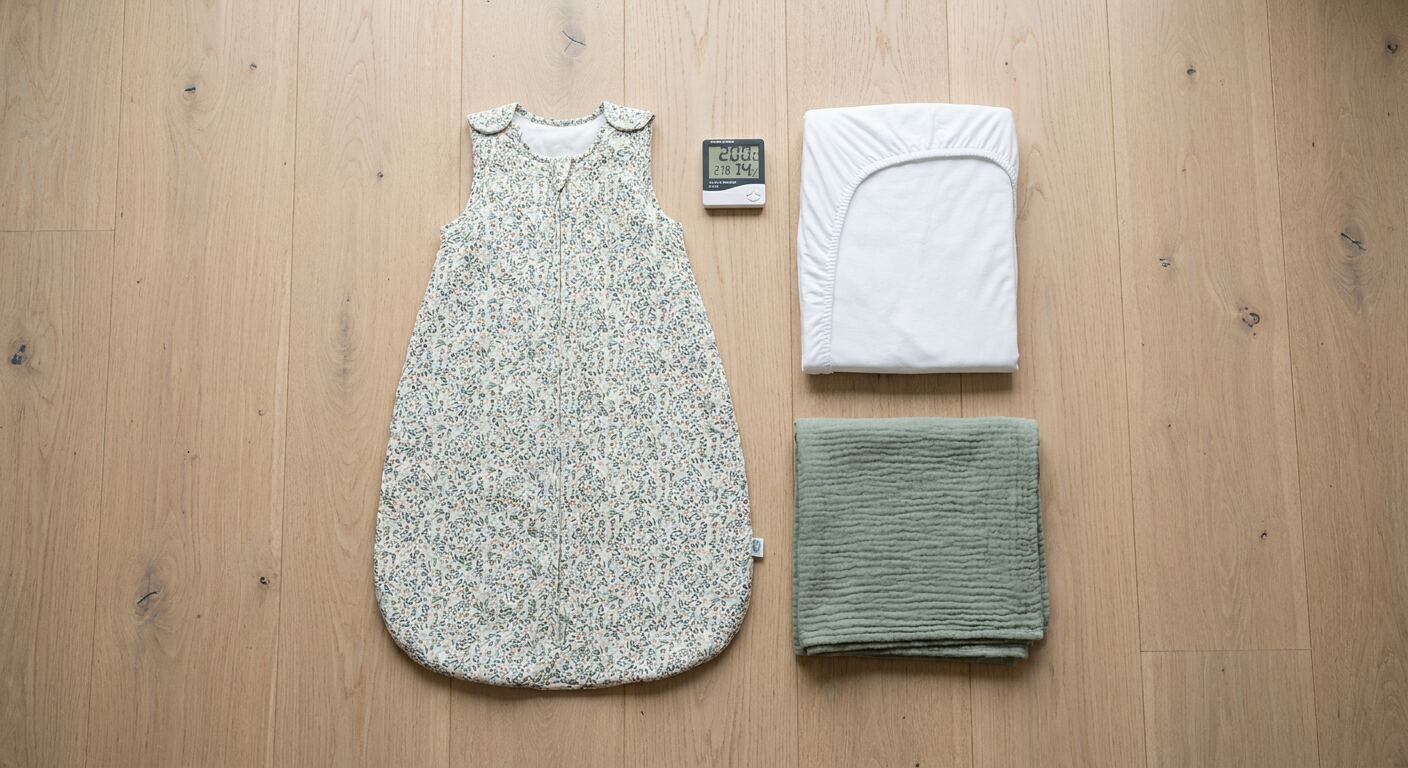
Ensure that blankets are tucked in firmly so they cannot move up over the baby's face, or better yet, use a safe infant sleeping bag. A sleeping bag with a neck hole and armholes (or sleeves) that fits well prevents the baby from slipping down inside. This keeps the head and face clear at all times. If you are unsure if your baby is the right temperature, feel their chest or back—it should feel warm, but not hot or sweaty. To monitor their rest patterns alongside their safety, a baby tracker can be a useful way to see how environmental changes affect their sleep quality.
3. Provide a Safe Sleeping Environment
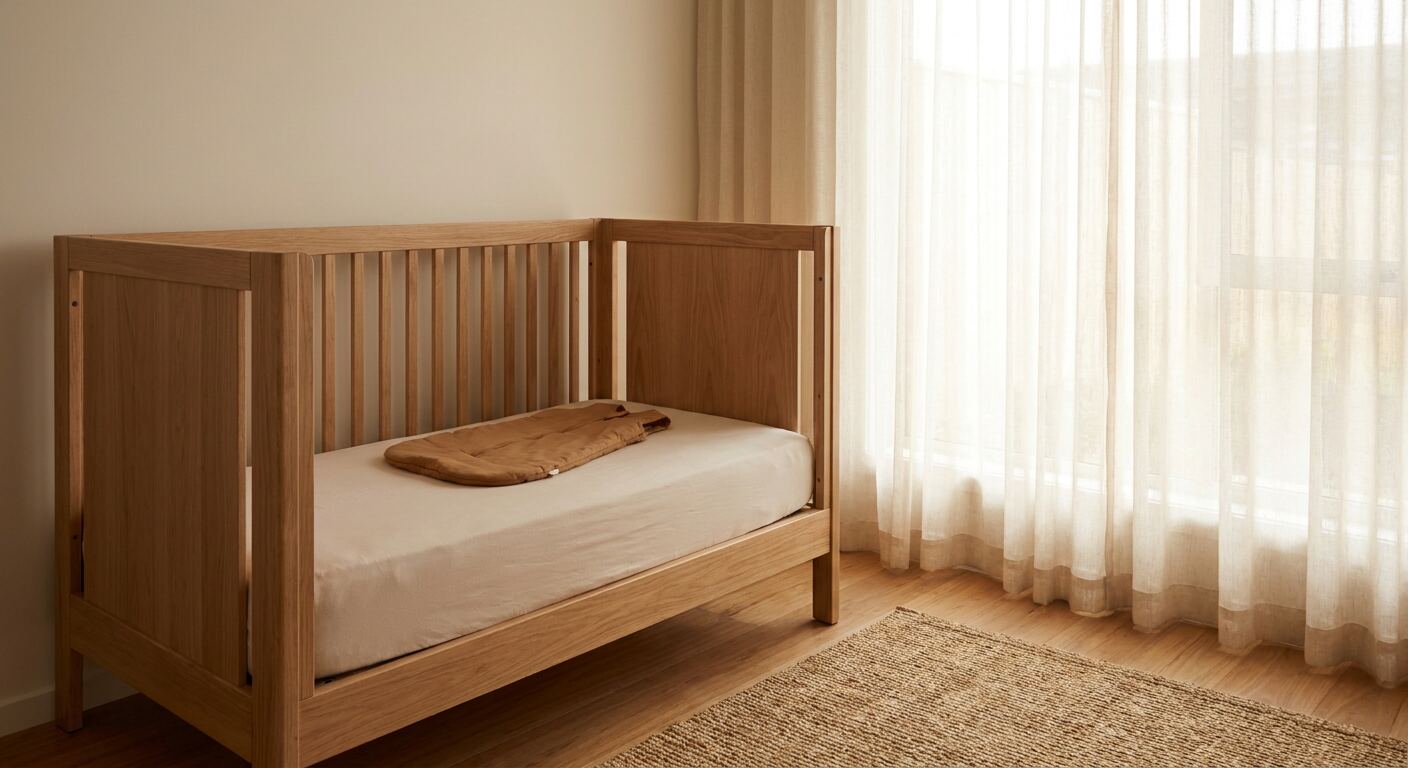
A safe sleeping environment means a cot that meets the Australian Standard for Cots (AS/NZS 2172). The mattress should be firm, flat, and well-fitting within the cot frame. It is tempting to add ‘cosy’ items like pillows, bumpers, soft toys, or thick quilts, but Red Nose Australia and the Royal Children's Hospital Melbourne advise keeping the cot completely clear. These items pose a suffocation or entrapment risk.
The ‘firmness’ of a mattress is key—it should not indent when the baby lies on it. While many products are sold in stores as ‘baby sleep positioners’ or ‘nests,’ these are actually not recommended by safe sleep experts as they can cause a baby to chin-tuck, potentially blocking their airway. If you are struggling with settling and tempted by these products, you might prefer to try a baby-wake window calculator to ensure your baby is sufficiently tired but not over-tired, which often makes settling easier without the need for unsafe sleep aids.
The Role of Room Sharing
Red Nose recommends that babies sleep in the same room as their parents or caregivers for the first six to twelve months. This has been shown to have a protective effect. It allows you to respond quickly to your baby and provides the comfort of proximity. However, 'room sharing' is different from 'bed sharing.' While many Australian families choose to co-sleep, Red Nose provides specific 'Safer Co-sleeping' advice to acknowledge that if it does happen, it should be done as safely as possible by removing pillows and heavy doonas from the adult bed.
4. Keep Baby Smoke-Free
The evidence is very clear: keeping your baby in a smoke-free environment before and after birth significantly reduces the risk of SIDS. This includes second-hand smoke (breathing in smoke from others) and third-hand smoke (the residue left on clothes, skin, and hair). If you or a family member smokes, the safest option is to smoke outside and change clothes before cuddling the baby. Your GP or Maternal Health Nurse can offer wonderful, non-judgemental support if you are looking to quit or reduce smoking.
5. Breastfeed if You Can
The Australian Breastfeeding Association and Red Nose both highlight that breastfeeding is a protective factor against sudden infant death. While any amount of breastfeeding is beneficial, exclusive breastfeeding for the first six months provides the greatest protection. We understand that every family's journey is different, and if breastfeeding isn't part of your path, focusing on the other safe sleep pillars remains incredibly effective. For those using formula or mixed feeding, ensure you are following safe preparation guidelines to keep your baby’s tummy healthy.
6. Avoid Overheating
In various parts of Australia, managing temperatures can be tricky. Overheating is a known risk. To keep your baby comfortable, dress them as you would dress yourself for the temperature—perhaps with one extra lightweight layer. Use a thermometer to check the room temperature if you are worried; ideally, the room should feel 'just right' to an adult. Never use electric blankets or hot water bottles for babies. A sleeping baby should feel warm to the touch, but never hot, damp, or flushed.
“The safest place for a baby to sleep is in their own safe cot, in the same room as an adult caregiver.” — Red Nose Australia
Implementing these guidelines provides a framework of safety, but we know that parenting is also about intuition and responding to your baby's unique needs. If you ever feel that something isn't right—if your baby is lethargic, has a fever, or is breathing strangely—trust your gut. Australian parents have access to wonderful resources like the 24-hour Maternal and Child Health lines in most states. When in doubt, always seek professional medical advice.
Navigating the early years of parenthood is a massive learning curve. By following the Red Nose safe sleep guidelines, you are giving your baby the best start and giving yourself the peace of mind to rest when they do. You are doing a wonderful job, and remember, it is okay to ask for help when the nights feel long and the advice feels plenty.
This article is general information only and does not replace personalised advice from your GP, Maternal and Child Health Nurse, or paediatrician.