Reflux in Babies | GORD & Infant Reflux: Symptoms and Causes
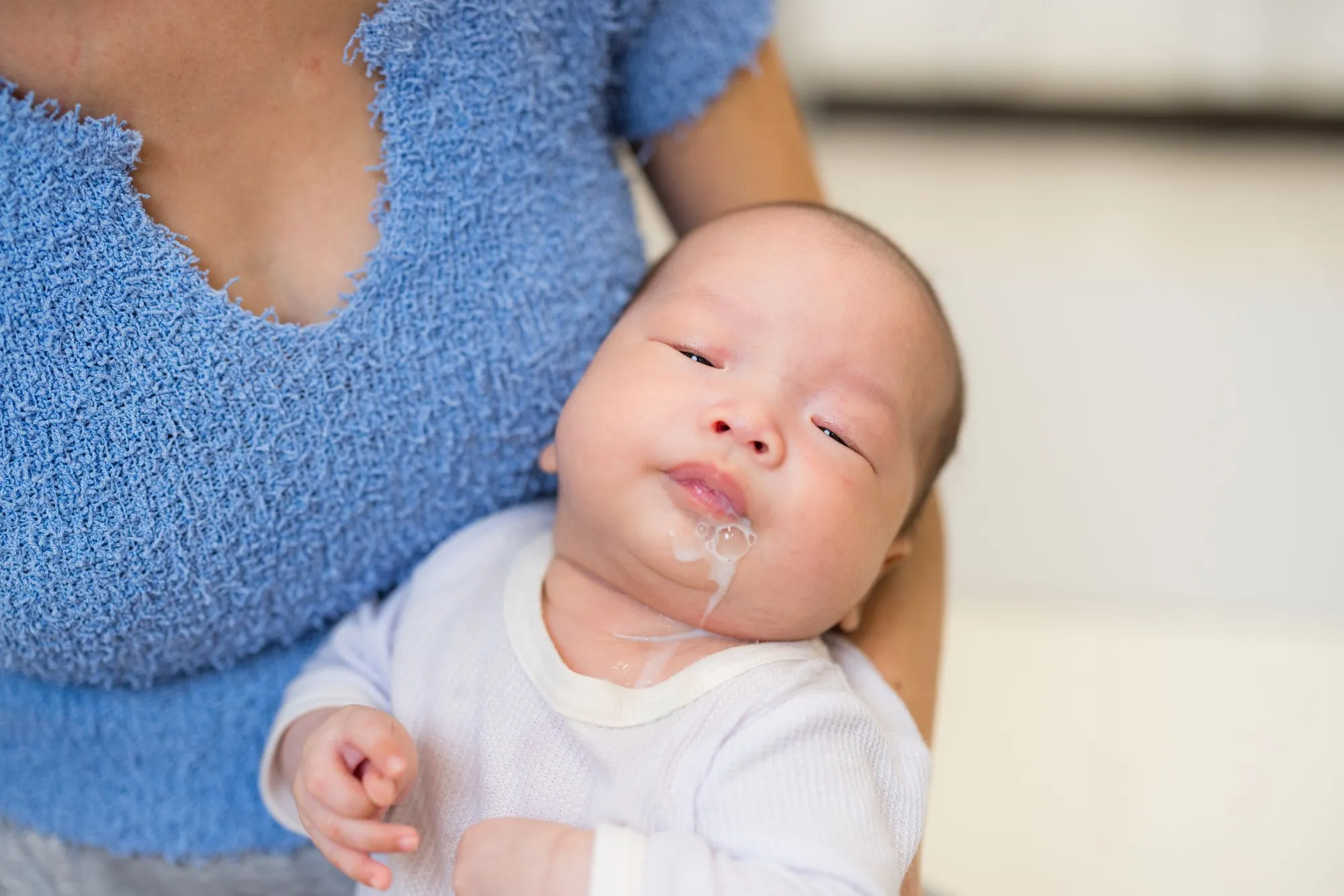
Reflux in babies is very common during the early months, but it can still worry many parents. This guide explains infant reflux, GORD, common symptoms, and why reflux happens. Learn when reflux is normal, when it may need medical attention, and simple ways to help soothe your baby. Explore helpful parenting support tools and expert resources to guide you through feeding and settling challenges.
If your baby cries during or after feeding, spits up frequently, or seems uncomfortable lying down, you may be wondering if your baby has reflux. Many parents worry when milk keeps coming back up or when their infant seems unsettled after feeds.
The truth is that reflux in babies is very common, especially in the early months of life. Most babies experience some degree of infant reflux, and in many cases, it improves naturally as their digestive system matures.
Understanding the difference between normal reflux and gastro-oesophageal reflux disease (GORD) can help you decide when reassurance is enough and when your baby might need treatment.
If you are unsure about your baby’s symptoms, you can also explore the Parenting Hub's free tools to learn more about feeding patterns, sleep, and common infant behaviours.
What Is Reflux in Babies?
Reflux happens when stomach contents come back up into the oesophagus. The oesophagus is the tube that connects the mouth to the stomach. In babies, the valve at the top of the stomach is still developing, which makes it easier for milk to flow back into the stomach.
This means that stomach contents can back up into the oesophagus, causing spit-ups or mild discomfort.
Many infants experience reflux because:
- Their digestive system is still developing
- They spend a lot of time lying down
- They feed frequently
- The muscle between the stomach and oesophagus is immature
Because of this, reflux is common in babies, particularly during the first six months of life.
Most of the time, reflux usually does not need treatment and improves as babies grow. Sometimes reflux happens when milk and stomach contents come back from the stomach, and symptoms may include discomfort or crying after you feed your baby.
When reflux occurs, your baby gets unsettled after feeding because small amounts of milk from the stomach come back into the oesophagus.
Reflux vs GORD in Babies
There is a difference between simple reflux and gastroesophageal reflux disease (GORD).
Simple reflux means milk occasionally comes back up, but the baby is otherwise healthy, gaining weight, and comfortable.
GORD, however, is a more severe form of reflux where symptoms cause significant discomfort or affect feeding and growth.
Signs that reflux may be developing into gastoesophageal reflux disease include:
- Frequent vomiting
- Poor weight gain
- Persistent crying during feeds
- Refusing to feed
- Arching the back during feeding
When reflux becomes GORD, babies may need assessment from a health professional or child health nurse.
Symptoms of Infant Reflux - Reflux in Babies
Many babies with reflux still appear happy and healthy. Others may show signs of discomfort when tummy contents come back up.
Common reflux symptoms in babies include:
- Milk coming back up after feeds
- Babies cry during or after feeding
- Cry a lot without an obvious reason
- Babies with GORD may appear uncomfortable lying flat
- Frequent hiccups
- Irritability during feeding
- Coughing or gagging
In some cases, babies may experience silent reflux, where stomach contents move back into the oesophagus without obvious vomiting.
Parents often notice that baby might cry more after feeding or appear unsettled when placed on their back.
Why Reflux Happens in Babies
There are several reasons reflux happens in infants.
The main cause is the immature digestive system. The valve between the stomach and oesophagus is still developing, making it easier for milk to flow back into the oesophagus.
Other contributing factors include:
- Feeding large volumes of milk
- Swallowing air during feeds
- Lying flat for long periods
- Sensitivity to certain formulas or foods
Because babies spend most of their time lying down, tummy contents can easily move upward, especially after feeding.
This is why holding your baby upright after feeds can sometimes help reduce reflux symptoms.
Is Reflux Common in Babies?
Yes, reflux is very common in babies.
Research suggests that up to half of infants experience reflux during the first months of life. According to guidance from the European Society for Pediatric Gastroenterology, reflux usually peaks around four months and gradually improves.
For most babies:
- Reflux is common
- Symptoms improve with age
- It rarely causes long-term problems
By the time babies begin sitting upright and eating solid foods, reflux often decreases significantly.
When Reflux May Need Treatment - Reflux in Babies
Although most reflux does not require treatment, some babies may need medical support.
Signs that reflux may need further assessment include:
- Poor feeding
- Weight loss or slow growth
- Persistent vomiting
- Blood in vomit
- Severe irritability
- Breathing problems
In these situations, your health professional or child health nurse may assess your baby and discuss possible treatments.
These may include:
- Feeding adjustments
- Formula changes
- Positioning techniques
- Medication in severe cases
Simple Ways to Help a Baby With Reflux
If your baby has mild reflux, there are simple strategies that may help reduce symptoms.
Parents often find relief with small feeding adjustments and positioning changes.
Helpful strategies include:
- Feeding smaller amounts more frequently
- Burping your baby during feeds
- Holding your baby upright after feeding
- Avoiding tight clothing around the stomach
- Ensuring your baby feeds calmly and slowly
Sometimes holding your baby upright for 20–30 minutes after feeding helps prevent milk from flowing back into the oesophagus.
Breastfeeding parents may also find that adjusting feeding positions improves comfort.
If reflux symptoms are affecting sleep or settling, gentle sounds or calming environments can help babies relax. Some parents use soothing sounds from Genie Lullaby to help babies settle after feeding.
Supporting Your Baby Through Reflux
It can be stressful when your baby has reflux, especially if they cry a lot or seem uncomfortable.
The reassuring news is that most babies grow out of reflux naturally as their digestive system matures.
Over time, the muscle at the top of the stomach strengthens, allowing milk to remain in the stomach longer.
As babies grow, start sitting upright, and eat solid foods, reflux symptoms usually improve significantly.
If you ever feel unsure or worried, speaking to a child health nurse or health professional can provide reassurance and guidance.
For additional support, many parents explore the helpful tools and resources available through Parenting Genie, which offers expert guidance.
Final Thoughts – Reflux in Babies
Reflux in babies can be worrying, but it is often a normal part of early development. Because reflux is common in babies, many infants experience spit-ups or mild discomfort during the first months of life.
Understanding the symptoms and causes of infant reflux can help parents feel more confident in supporting their baby.
In most cases, reflux improves naturally as babies grow. With small adjustments to feeding and positioning, many families find that symptoms become easier to manage.
Related reading: when babies start teething
Related reading: when babies start sitting up
Related reading: reflux and spit-up during feeds
Related reading: caring for babies with reflux
Related reading: mucus in your baby's poo
Related reading: causes of coughing in babies
Related reading: stridor and noisy breathing in babies
Related reading: causes of black poo in babies
Related reading: common causes of toddler tummy aches
Related reading: common cold symptoms in babies