Teething Symptoms vs Illness: How to Tell the Difference
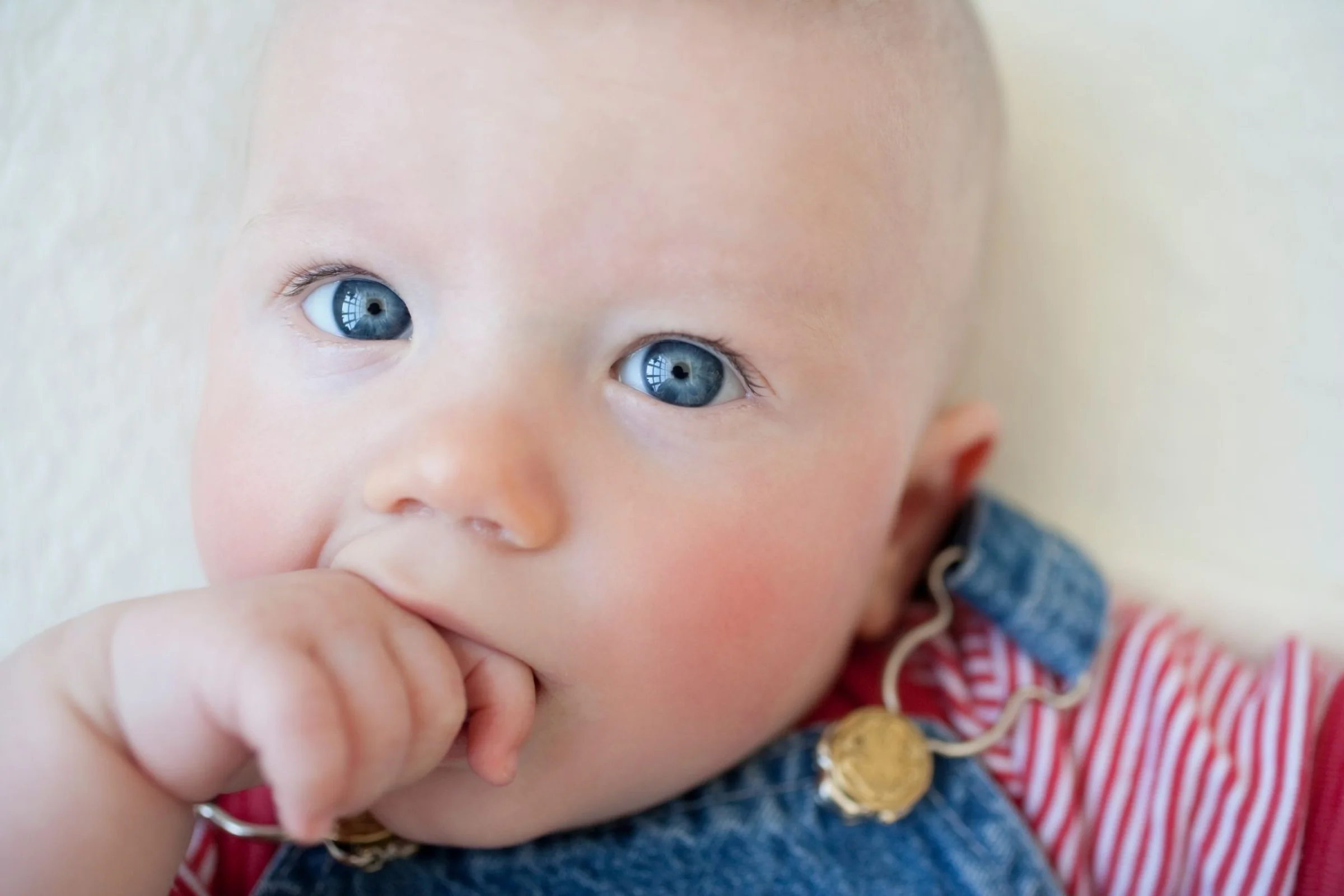
A Maternal Health Nurse explains the real signs of teething, what teething does NOT cause, and the red flags that mean it's an illness — not new teeth.
Every time your baby goes off their food, runs warm, or has an unsettled night, someone will say "it''s just teething". Sometimes it is. Often it isn''t. As a Maternal Health Nurse, the most common question I get from parents of 4–18 month olds is some version of: "Is this teething, or is my baby actually sick?"
Mistaking an illness for teething can delay care. Mistaking teething for an illness sends families to the GP for no reason. This guide walks through what the evidence actually says, what teething does and doesn''t cause, and the red flags that mean it''s time to stop blaming the molars.
When does teething usually start?
Most babies cut their first tooth between 4 and 10 months, with the bottom front two (central incisors) usually appearing first. A handful of babies are born with a tooth; others won''t have one until after their first birthday. Both are normal. By age 3, most children have all 20 baby teeth.
Teething happens in waves, not constantly. A tooth typically causes noticeable symptoms for about 3–5 days before it erupts, then settles. Symptoms lasting weeks or months without a tooth emerging are almost certainly something else — usually a developmental leap, a sleep regression, or a virus.
What teething does cause
Large studies (including a well-cited 2016 review in Pediatrics) have looked at thousands of teething episodes. The symptoms reliably linked to teething are:
- Drooling — often heavy enough to soak bibs and cause a chin or chest rash from saliva.
- Chewing and biting everything — fingers, toys, your shoulder. Counter-pressure on the gum genuinely helps.
- Red, swollen gums over the spot where the tooth is about to push through.
- Mild irritability and grizzling, especially in the late afternoon and at bedtime.
- A slight rise in temperature — usually under 38°C. This is a low-grade warmth, not a true fever.
- Disturbed sleep for a few nights around an eruption.
- Reduced appetite for solids for a day or two (sucking still feels fine; chewing hurts).
What teething does NOT cause
This is where parents are most often misled. The evidence is clear: teething does not cause any of the following, and assuming it does can delay diagnosis of something treatable.
- A true fever of 38°C or higher. If your baby''s temperature crosses 38°C, treat it as illness, not teething. See our Baby Fever Guide for what to do.
- Diarrhoea. Loose, watery, frequent stools are a virus or food reaction — not teeth. (Slightly looser stool from extra drool being swallowed can happen, but true diarrhoea cannot be blamed on teething.)
- Vomiting. Always investigate.
- A widespread body rash. A red drool rash on the chin/chest is teething-related. A rash on the trunk, limbs, or face — especially with fever — is viral or bacterial.
- A persistent cough or runny nose with green mucus. That''s a respiratory infection.
- Refusing all fluids or having fewer wet nappies. Dehydration is never "just teething".
- Pulling at the ears with fever or distress. Babies who are teething often rub their face and ears because nerves are shared — but combined with fever or night waking in pain, think ear infection.
- Lethargy or being floppy and unresponsive. Always seek urgent review.
The teething vs illness quick-check
Here''s the framework I walk parents through in clinic. Run your baby''s symptoms past these three questions.
- Can you see or feel a tooth coming? Run a clean finger along the gum. A hard ridge or a white tip you can see through the gum is the strongest evidence. No bump anywhere = unlikely to be teething right now.
- Is the temperature under 38°C and the baby otherwise themselves between grizzles? Teething babies still smile, play, and feed reasonably between episodes. Sick babies generally don''t.
- Have symptoms lasted more than 4–5 days? A teething wave is short. Anything dragging on for a week is almost always a virus, an ear infection, a sleep regression, or a leap — not teething.
If you answer yes-yes-no, it''s most likely teething. Any other combination — investigate further.
What actually helps a teething baby
Most teething settles with simple comfort measures. You don''t need anything fancy.
- Cold, firm things to chew. A chilled (not frozen) silicone teether, a clean damp washcloth that''s been in the fridge, or — once on solids — cold cucumber sticks under supervision.
- Counter-pressure on the gum. A clean finger rubbed firmly along the swollen patch often gives instant relief.
- Extra cuddles, slings, and bedtime wind-down. Teething babies need more co-regulation, not more sleep training.
- Barrier cream (a thin layer of nappy-rash cream) on the chin and neck folds to stop drool rash.
- Paracetamol at the correct weight-based dose — only if pain is clearly stopping feeding or sleep, and after checking with your pharmacist or GP. Always weight-based, never age-based.
What to skip
- Amber teething necklaces. No evidence they work, and they''re a strangulation and choking hazard. The TGA and paediatric bodies in Australia advise against them.
- Teething gels containing benzocaine or choline salicylate for under-2s. Linked to rare but serious side effects; not recommended.
- Homeopathic teething tablets. Some have been recalled overseas for inconsistent ingredients. No proven benefit.
- Frozen-solid teethers that can bruise gums. Cold is enough — frozen is too much.
Teething and sleep — what''s realistic
Teething can cause 2–3 disrupted nights around an eruption, but it doesn''t cause weeks of waking. If your baby has been waking hourly for a month, the cause is almost always one of: a sleep regression, wake windows that have outgrown the current routine, overtiredness, or a stalled feeding pattern. Use the Overtired Baby Checker before assuming teeth are to blame.
During a genuine teething wave, prioritise responsive settling: extra contact naps, an earlier bedtime, and lowering daytime stimulation. Avoid starting any new sleep program mid-eruption — it''s the worst possible test conditions.
When to see a doctor
Stop blaming teething and book a same-day GP review if your baby has any of:
- Temperature 38°C or higher (or 38°C+ at any age under 3 months — go straight to ED).
- Vomiting or true diarrhoea.
- A rash anywhere other than the chin/chest drool zone, especially if it doesn''t fade when you press a glass against it.
- Pulling at one ear, especially with night waking in obvious pain.
- Refusing fluids or producing noticeably fewer wet nappies.
- Floppiness, unusual drowsiness, or a high-pitched cry.
- Symptoms dragging on more than 4–5 days with no visible tooth.
This article was reviewed by a Maternal Health Nurse and reflects Australian paediatric guidance. It is general information and is not a substitute for individual medical advice — if you''re worried about your baby, call your GP, 13 HEALTH (QLD), Maternal & Child Health Line (VIC 13 22 29), or healthdirect on 1800 022 222.
Related reading: guide to baby sleep
Related reading: developmental signs needing attention